
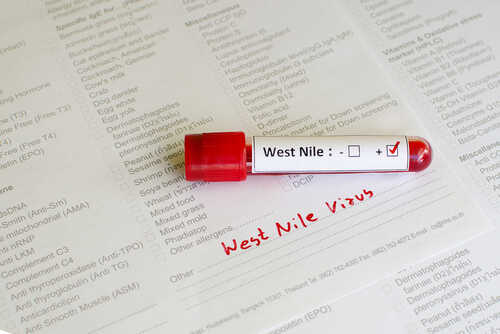
With West Nile virus cases 40% higher than the past decade’s seasonal average, health agencies including the CDC and the European Centre for Disease Prevention and Control (ECDC) warn that transmission is expanding into new regions, underscoring ongoing questions about public health preparedness.
Story Snapshot
- West Nile virus infections are 40% higher than average in 2025, hitting both the U.S. and Europe hard.
- Italy reports its highest-ever case count for this time of year, while the U.S. sees widespread severe cases across 39 states.
- Health officials caution the season is not over, urging ongoing vigilance as case counts rise.
- Older adults and the immunocompromised face the greatest risk, with public health systems under strain.
Record West Nile Surge Exposes Public Health Challenges
In 2025, West Nile virus has surged across the United States and Europe, with case counts already exceeding the decade’s norm by roughly 40%. The U.S. has reported at least 771 confirmed cases in 39 states, nearly two-thirds of which are classified as severe neuroinvasive disease. Europe faces a parallel crisis: Italy is experiencing its highest number of cases for this time of year, registering 500 infections and 32 deaths. Health authorities warn that the season is far from over, raising the specter of further spread and fatalities.
West Nile virus is not new to America—first identified in Uganda in 1937, it became a recurring threat after arriving in the United States in 1999. Since then, the virus has established endemic cycles, with outbreaks often driven by climate conditions and mosquito populations. This year, warmer temperatures and longer mosquito seasons have created ideal conditions for transmission. The Centers for Disease Control and Prevention (CDC) describes West Nile as the leading mosquito-borne disease in the continental U.S., with periodic outbreaks and significant year-to-year variation.
Vulnerable Communities Face Heightened Risk
Older adults and those with weakened immune systems are disproportionately affected by severe West Nile illness. Among this year’s 771 U.S. cases, nearly 490 are classified as neuroinvasive, meaning the virus has attacked the nervous system, leading to hospitalizations, long-term health effects, and, in some cases, death. Italian provinces and several regions in southern France have reported locally acquired infections for the first time, a trend that epidemiologists such as Dr. Andrea Ammon, director of the ECDC, notes the spread of mosquito habitats into new areas due to climate and environmental conditions. The majority of severe cases occur where health infrastructure is already stretched thin, amplifying anxiety and placing new burdens on families and caregivers.
Communities are responding with increased demand for mosquito control, public health resources, and education campaigns. As nervous residents cut back on outdoor activity, the economic fallout extends to sectors like tourism and blood donation, and even impacts the veterinary industry as animal cases rise.
Public Health Agencies and Government Response
The CDC in the U.S. and the European Centre for Disease Prevention and Control (ECDC) are leading surveillance and response efforts, supported by local and state health departments. Public health officials urge Americans to take basic precautions: use insect repellent, eliminate standing water, and wear protective clothing when outdoors. The outbreak has prompted renewed debate about the adequacy of federal and local preparedness, with public health scholars such as Dr. Jennifer Nuzzo of Brown University’s Pandemic Center stressing the importance of sustained surveillance and investment in mosquito control. Surveillance data remain preliminary and likely underestimate the true scale, as many infections go unreported or undiagnosed. Reporting delays and shifting protocols further complicate year-to-year comparisons and public messaging.
West Nile virus cases intensely rising 40% higher than normal this year https://t.co/jyGQhZ0ksi pic.twitter.com/LeZ9D3ISYZ
— New York Post (@nypost) September 11, 2025
Experts stress that, while most infections are mild, the burden of hospitalizations and long-term care for severe cases is growing. This puts extra pressure on healthcare systems already grappling with resource constraints. Public trust in government action is critical, yet many citizens are wary—especially after years of what some see as bureaucratic overreach and misplaced priorities that have undermined core constitutional protections and local autonomy.
Analysis: Constitutional and Practical Implications
Commentators such as Dr. Scott Atlas, former White House COVID-19 adviser, have argued that outbreaks like West Nile highlight questions of resource allocation and the balance between federal coordination and state autonomy. Are resources being allocated effectively, or wasted on bloated programs and administrative overhead? Is the federal government empowering local and state officials to protect communities, or imposing one-size-fits-all mandates that erode state authority? The current outbreak underscores the need for strong local response capabilities and transparent, accountable public health leadership—without sacrificing constitutional principles or burdening taxpayers with unnecessary bureaucracy.
At the same time, climate scientists such as Dr. Kristie Ebi of the University of Washington note that rising temperatures and longer mosquito breeding seasons are likely to increase the frequency of West Nile and other vector-borne diseases in coming decades. This reality demands a balance: robust surveillance and prevention efforts, but always with respect for American values of self-governance and common sense, resisting any push for government overreach or the diversion of funds from truly essential services.
Sources:
EFSA/ECDC Surveillance Report, Europe, 2025
CBS News, U.S. West Nile Virus Cases, 2025
CDC West Nile Virus Data and Maps
CDC West Nile Virus Current Year Data