
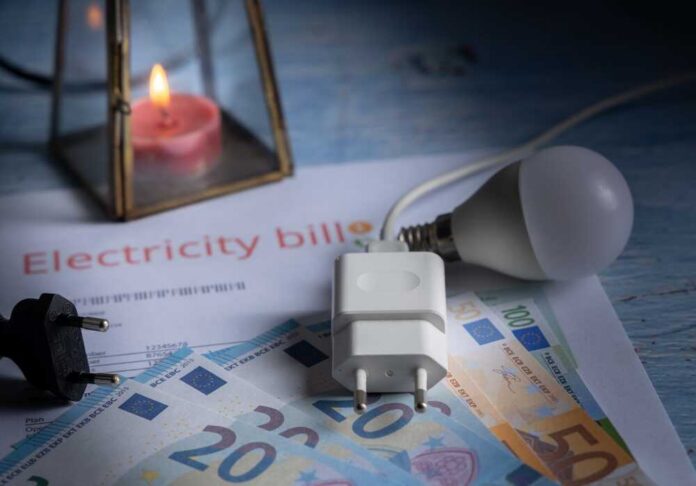
UK households face a £480 annual hit from soaring energy prices, exposing government failures that echo the frustrations of everyday Americans battling high costs under elite mismanagement.
Story Snapshot
- Experts project average UK household loses £480 this year due to persistent energy price hikes.
- Low-income families and pensioners suffer most, with fuel poverty affecting millions.
- Russia’s Ukraine invasion triggered crisis, but UK’s import reliance and Net Zero policies prolong pain.
- Government support ends, leaving households to price cap adjustments amid wholesale volatility.
Expert Warnings Signal Household Squeeze
Energy analysts from the Institute for Fiscal Studies and Energy and Climate Intelligence Unit project UK households will lose £480 on average in 2026 due to elevated energy costs. This figure stems from wholesale gas prices remaining high since Russia’s 2022 Ukraine invasion disrupted supplies. Ofgem’s price cap, now quarterly adjusted, passes volatility to consumers. Low-income households face 15-20% budget impacts, forcing cuts in heating and essentials. Pensioners on fixed £12,548 annual pensions choose between eating and staying warm, mirroring American families’ struggles with inflation and overregulation.
Crisis Roots in Geopolitical Shocks and Policy Choices
Russia’s invasion spiked European gas prices to €300+ per MWh, hitting UK’s 40% imported gas dependency hard. Pre-2021 stability ended as suppliers collapsed under costs, with price caps jumping from £1,738 to £3,549 by October 2022. Government aid like energy price guarantees phased out by 2026, shifting burden to families. Renewables at 30% mix grow weather-dependently but fail to offset gas reliance immediately. Aging infrastructure and global ties amplify risks, much like U.S. conservatives warn against green mandates raising costs without reliable backups.
Vulnerable Groups Bear Disproportionate Burden
Low-income households, pensioners, disabled individuals, and single-parent families suffer most from the £480 hit, representing 8-12% of typical bills. Fuel poverty grips 3-4 million homes, risking health issues from cold and higher mortality in regions like Scotland. Middle-income families delay improvements, switch suppliers, and conserve energy. Businesses face compressed margins, hurting manufacturing and retail. This widens inequality, validating shared bipartisan anger at elites prioritizing Net Zero over affordable power and energy independence.
Small businesses confront similar pressures, with energy costs eroding competitiveness and prompting closures. Rural communities lack options, amplifying divides.
Government and Market Responses Fall Short
Department for Energy Security and Net Zero invests in renewables and nuclear, but experts call elevated prices the “new normal” from geopolitics. Ofgem balances caps with supplier viability amid industry consolidation. Consumers adopt smart meters and conservation, yet wholesale volatility persists. Critics argue overreliance on imports ignores domestic drilling, echoing America First calls for fossil fuels to shield families from global shocks and deep state globalism.
Higher energy prices will leave UK households £480 worse off this year, experts warn https://t.co/Ylx8mG1HUU pic.twitter.com/wp7E4Pydj1
— Asif Patel (@asifpatel) April 12, 2026
Long-term, persistent costs threaten productivity, regional inequality, and the American Dream equivalent in Britain—hard work yielding stability. Both left and right decry officials more focused on reelection than solutions.
Sources:
The British Energy Crunch – The American Conservative
As energy costs soar, Rachel Reeves is now the price-gouging queen