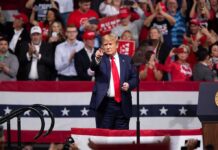

JD Vance returns empty-handed from marathon peace talks in Pakistan, exposing Iran’s defiance as a ticking threat to fragile Middle East stability and American energy security.
Story Highlights
- Vice President JD Vance led 16-21 hours of direct US-Iran talks in Islamabad—the first since 1979—ending in collapse due to Iran’s rejection of US terms.
- US offered final terms on nuclear access, Strait of Hormuz security, and regional de-escalation; Iran called demands “excessive” and prioritized sanctions relief.
- Vance declared the failure “bad news for Iran much more than the United States,” underscoring American leverage amid a two-week ceasefire expiring April 22.
- Accompanied by Trump allies Jared Kushner and Steve Witkoff, Vance coordinated with President Trump, Secretary Rubio, and Treasury Secretary Bessent throughout.
- Pakistan hosted as neutral broker, highlighting rare direct engagement but no breakthrough, raising risks of escalation and oil price spikes.
Talks Collapse After 16-21 Hours
Vice President JD Vance departed Islamabad for Washington after Pakistan-brokered talks with Iran failed. Negotiations lasted 16 to 21 hours, marking the first direct US-Iran discussions since 1979. The US delegation presented a final offer addressing nuclear site access, security in the Strait of Hormuz, and broader de-escalation. Iran rejected these as excessive, insisting on sanctions relief first. Delegations dispersed without agreement, leaving a fragile regional ceasefire intact until April 22.
Pakistan provided a neutral venue to facilitate these high-stakes exchanges amid ongoing West Asia conflicts. US terms aimed to protect allies like Israel and ensure stable oil flows critical to American interests. Vance emphasized substantive progress in discussions but firm red lines on core security demands. This outcome reinforces the Trump administration’s America First approach, prioritizing strength over endless concessions.
Key US Demands and Iranian Resistance
The US sought verifiable nuclear transparency and commitments to halt proxy aggressions. Iran countered by demanding immediate sanctions removal before any concessions. Historical tensions since the 1979 Islamic Revolution underpin this impasse, echoing the abandoned 2015 JCPOA deal. Vance’s team, including dealmakers Jared Kushner and Steve Witkoff, coordinated real-time with President Trump, Secretary of State Marco Rubio, and Treasury Secretary Scott Bessent. Their involvement signals continuity in tough Mideast negotiations.
Vance addressed reporters post-talks, stating substantive discussions occurred but no agreement emerged. He made clear US red lines while leaving the final offer on the table. Iran labeled the proposals excessive, maintaining leverage through regional proxies. This rejection highlights power dynamics where US sanctions and military superiority contrast Iran’s resilience and defiance.
Implications for Ceasefire and US Interests
Short-term risks mount as the two-week ceasefire nears expiration on April 22. Failure could trigger escalations, disrupting Hormuz Strait shipping lanes vital for global oil. Americans face potential spikes in energy costs, reminiscent of past policies that prioritized renewables over reliable fossil fuels. Long-term, stalled talks strengthen sanctions and isolate Iran, deterring nuclear ambitions while bolstering Trump administration resolve.
JD Vance returns to Washington after 16 hours of Iran peace talks collapse in Pakistan https://t.co/CuihsS2feM #FoxNews
— Jenny Pooh (@JennyPooh1039) April 13, 2026
Pakistan gains diplomatic prestige as mediator, though efficacy remains unproven. Regional states brace for volatility in energy markets and defense postures. Both conservatives frustrated by globalist weaknesses and liberals wary of endless foreign entanglements share concerns over elite-driven policies failing everyday citizens. This episode underscores demands for government accountability to core principles of strength and self-reliance, alerting all sides to threats against national security and economic stability.
Sources:
JD Vance returns to Washington after 16 hours of Iran peace talks collapse in Pakistan