The Philippines says Chinese crews weren’t just harassing its sailors in the South China Sea—they were allegedly dumping cyanide to wipe out fish and pressure a tiny outpost into submission.
Quick Take
- Manila’s National Security Council publicly accused Chinese fishermen of pouring cyanide into waters near Second Thomas Shoal (Ayungin Shoal) in the Spratlys.
- Philippine troops reported seizing 10 bottles of cyanide from sampan boats in 2025 and say March 2026 water tests confirmed contamination.
- Officials framed the alleged poisoning as “sabotage” targeting marine life and the food supply of sailors stationed on the BRP Sierra Madre.
- China had not provided an immediate public response to the latest claims, and key attribution questions remain unresolved in open reporting.
Manila’s cyanide claim raises the stakes in a long-running maritime standoff
Philippine officials said April 13 that they believe Chinese fishermen deliberately poured cyanide into contested waters around Second Thomas Shoal, a flashpoint reef in the Spratly Islands. The National Security Council described the alleged act as environmental sabotage intended to kill fish stocks and undermine the ability of Philippine personnel to sustain themselves on station. The Philippines plans to submit a report to its Department of Foreign Affairs, signaling a diplomatic response rather than immediate escalation.
Philippine authorities pointed to a specific evidence trail: troops allegedly seized 10 bottles of cyanide from small sampan boats linked to Chinese fishing ships in February, July, and October 2025. Officials also said soldiers directly observed suspicious activity in March 2026 near the shoal and that subsequent testing found cyanide in the surrounding water. While Philippine leaders have made these details public, independent verification of the events and chain of custody is limited in the available reports.
Why Second Thomas Shoal matters: a grounded ship, a legal fight, and a strategic corridor
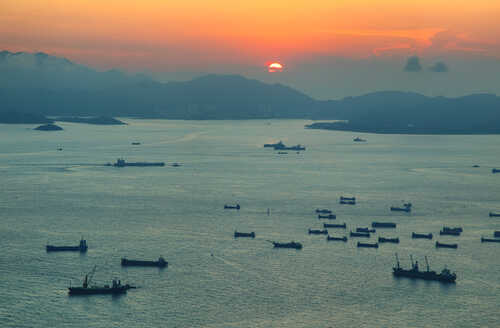
Second Thomas Shoal sits near major shipping lanes and inside a waterway that is economically vital and widely believed to be resource-rich. The Philippines grounded the BRP Sierra Madre, a World War II-era ship, on the shoal in 1999 to maintain a physical presence and reinforce its claim. The broader dispute remains shaped by China’s sweeping claims over most of the South China Sea, claims that an international tribunal has ruled lack legal basis, according to widely reported background.
The alleged poisoning matters because it targets the environment rather than ships alone. Cyanide can devastate fish populations and coral reefs, and Philippine officials warned that this kind of damage could ripple beyond military logistics into long-term ecological harm. If reefs erode, the immediate concern is not only depleted food sources but also the stability of the surrounding marine structure that supports a tenuous forward presence. Those consequences are difficult to quantify from public data, but the strategic intent—if proven—would be clear.
Evidence, attribution, and what remains unproven in open reporting
Philippine security and navy officials said the cyanide use was “sabotage,” and they described threats ranging from poisoned fish to health risks from contaminated water. They also alleged that the fishing vessels involved operate with ties to the Chinese navy. That is a serious claim, but the reporting available to the public does not independently confirm Chinese military direction. China’s embassy did not immediately respond to requests for comment in the cited coverage, leaving the dispute to play out largely through competing narratives.
Regional and U.S. implications: environmental coercion tests alliance resolve
The Philippines ordered increased navy and coast guard patrols to prevent further harm, and Manila indicated it would raise the issue through diplomatic channels. For American readers, this episode fits a broader trend in which confrontations in the Indo-Pacific aren’t limited to open naval engagements. Tactics that exploit ambiguity—civilian boats, incremental pressure, and now alleged environmental destruction—are harder to deter without provoking escalation. The lack of a clear, shared fact pattern underscores why verification and transparency will shape next steps.
Philippines accuses China of poisoning disputed waters https://t.co/BnuitGuRWz
— ABS-CBN News (@ABSCBNNews) April 13, 2026
Domestic politics also shape how these developments land in Washington. Under President Trump’s second-term “America First” approach, voters skeptical of endless foreign entanglements still tend to support protecting trade routes and deterring coercion—especially when it looks like a bigger power leaning on a smaller ally. At the same time, Americans across parties increasingly distrust institutions and narratives, which makes credible evidence and careful diplomacy essential. For now, the public record supports Manila’s claim of seized bottles and positive tests, while intent and command links remain contested.
Sources:
Philippines accuses China of poisoning disputed waters
Philippines: South China Sea accuse poison disputed waters
Philippines accuses China of poisoning disputed waters
Philippines accuses China of poisoning disputed waters