
A viral video alleging fraud at Somali-run day care centers threatens to undermine public trust in regulatory oversight.
Story Highlights
- Nick Shirley’s video accuses Somali day cares in Minnesota of fraud.
- State inspections found no evidence of fraud at the featured centers.
- Vandalism and threats target Somali-American operators post-video release.
- Regulatory agencies affirm compliance, challenging video’s claims.
Allegations Against Somali-Run Day Cares
YouTuber Nick Shirley’s video, which went viral with over 116 million views, accused Somali-operated day care centers in Minnesota of committing large-scale fraud by obtaining government funding without providing actual services. The video targeted centers like ABC Learning Center and Quality Learning Center, claiming they operated as empty facilities while collecting state payments. The narrative gained significant traction, drawing attention from political figures and escalating cultural tensions within the Somali-American community.
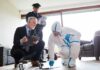
Despite Shirley’s allegations, state regulators have consistently refuted claims of fraud. Unannounced inspections conducted at the accused facilities, including one at Sweet Angel Child Care on December 4, 2025, found children present and no evidence of fraudulent activity. The Minnesota Department of Children, Youth and Families Commissioner, Tikki Brown, emphasized the integrity of the oversight process, noting that all centers featured in the video had been inspected within the last six months.
State Oversight and Public Response
State regulators have maintained rigorous oversight of child care centers, yet Shirley’s video has fostered a climate of suspicion and fear among Somali-American operators. Ahmed Hasan, director of ABC Learning Center, reported a surge in harassment and threats following the video’s release. The narrative has adversely impacted community trust, with operators and families expressing concerns over safety and discrimination. Somali-American business owners have highlighted the collective punishment they face, emphasizing their compliance with state regulations and contributions as tax-paying citizens.
The backlash from the video has led to vandalism and unauthorized access to records at these day care centers. The broader implications of this incident raise questions about the vulnerability of minority-owned businesses to reputational attacks and the role of social media in shaping public perception. The incident underscores the need for factual reporting and robust oversight mechanisms to prevent misinformation from undermining community trust and safety.
Moving Forward: Ensuring Fairness and Compliance
As the controversy unfolds, it is crucial to balance the need for accountability with the protection of community rights. The Minnesota Department of Children, Youth and Families continues to defend its oversight processes, ensuring all facilities adhere to state regulations. Experts highlight the importance of distinguishing between genuine oversight and disinformation, urging the public to rely on verified reports and regulatory findings.
PANIC! Man Tries Enrolling His Kid at Quality 'Learing 'Center and BAHAHA, This Is TOO Damn Funny (Watch) https://t.co/mUVY65CpT2
— Clarke Watson (@XtraDeadAgain) January 2, 2026
Somali-American community leaders call for increased dialogue and understanding, emphasizing their commitment to lawful operations and the well-being of children in their care. The incident serves as a reminder of the potential dangers of misinformation and the importance of upholding the principles of fairness and due process in public discourse.
Sources:
Minnesota Day Care Fraud Director Responds
YouTuber Nick Shirley Returns to Minneapolis Day Care
Nick Shirley’s Somali Daycare Fraud
Somali Child Care Providers Report Vandalism and Threats