
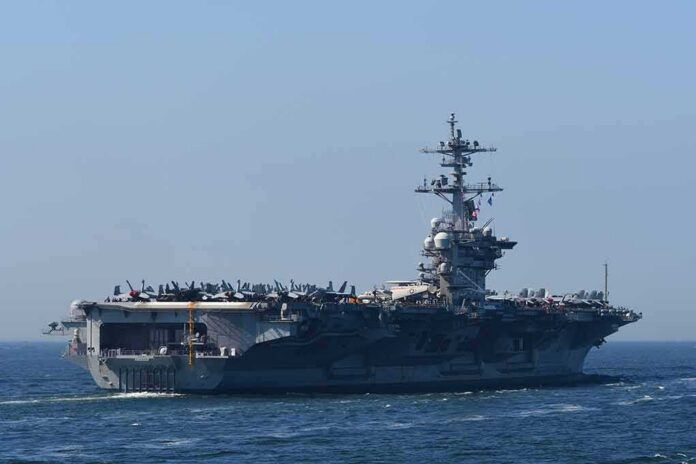
U.S. officials warned Gulf partners to brace for a short, high-intensity campaign against Iran after the midterms, signaling real military planning and real risks to energy and regional security.
Story Snapshot
- Reports say U.S. and Israel drew up concrete strike options for a brief, heavy campaign.
- Targets could include nuclear sites, energy infrastructure, and missile and drone stockpiles.
- Allies were told to prepare for retaliation against energy and critical infrastructure.
- The White House says Iran is weakened and pressure will continue, but no final order is public.
What Officials Told Allies And Why It Matters
Associated Press reporting says U.S. officials told regional governments to prepare for possible renewed strikes on Iran after the midterm elections, including the risk of retaliation against energy facilities and other key sites. Times of Israel, citing Wall Street Journal reporting, describes a “short yet intensive” operation concept, aimed at key nuclear and military capabilities. This warning matters for American families because any hit to Gulf energy could drive fuel prices higher at home. That squeezes budgets already stressed by years of inflation.
Two diplomats briefed on the talks told reporters the United States signaled a window after voting, suggesting timing is tied to force protection and regional stability needs rather than domestic politics alone. At the same time, the White House publicly ruled out action before the midterms and emphasized that Iran is in poor shape economically and militarily, and that pressure would hold. This shows planning is real, but also that President Trump has kept options open. No final public authorization exists yet.
What The Reported Plan Looks Like
Reports say U.S. and Israeli planners developed concrete options for rapid strikes focused on Iran’s nuclear program, energy infrastructure, and missile and drone depots. The aim, as summarized by multiple outlets, is to reduce Tehran’s ability to threaten shipping and neighbors, and to push leaders back to talks from a weaker position. Movement of a Patriot air-defense battery from Texas and relocation of some troops away from exposed sites were cited as steps to harden defenses and deter strikes on U.S. forces.
Officials and analysts agree any renewed action would be short on duration but heavy in effect, seeking surprise and concentrated damage in the opening phase. But reports also note Iran and its proxies could respond beyond the initial window, which means “short operation” does not guarantee a short conflict cycle. That risk is real for our energy supply and for U.S. service members. Clear goals, limited targets, and strong defenses help, but they do not remove the danger of escalation.
Iranian Threats, Regional Caution, And The Escalation Risk
Iranian officials have warned they would hit U.S. assets and Gulf infrastructure if attacked, and that any partner aiding strikes could face retaliation. They also signal they want threats and sanctions lifted before talks, which clashes with the pressure-first approach reported in Washington and Jerusalem. Some Gulf governments have urged restraint and a return to talks to avoid wider war, even as they prepare for fallout if fighting resumes. That mix raises the risk that even a precise operation could spread.
U S. Moves Patriot System from Texas to Israel, Warns Gulf of Short Intense Iran Campaign After Midterms
*The Wall Street Journal
The Wall Street Journal reported, citing informed sources, that the United States has told several Gulf Arab countries to prepare for a short,…
— mahmoud khalil (@sahel2212) October 29, 2026
The Congressional Research Service has described recent U.S.-Iran cycles as strike, response, pause, and repeat, often dragging shipping and oil into the fight. That history warns against rosy scenarios. If Iran or proxies lash out at energy plants or tankers, American families pay more at the pump. That is why force protection moves, missile defense, and clear red lines matter. The mission must protect U.S. troops, defend global trade lanes, and avoid an open-ended grind that helps Tehran’s hardliners.
What Conservatives Should Watch Next
Watch for official notices on deployments, air-defense posture, and maritime security escorts. Those signals show readiness. Look for any public order from President Trump authorizing strikes; that is the legal trigger for action, which reporting says has not been issued yet. Track oil market reactions and insurance rates for Gulf shipping; those move first if risk rises. Finally, watch Iran’s messaging to mediators. Loud threats may hide weak capacity, but sabotage and proxy hits can still cause pain.
Bottom line: the reported plan aims to hit Iran hard and fast to cut threats and push talks. The White House says Iran is already weakened and that pressure will continue. That aligns with a peace-through-strength view. But strength needs discipline. Any operation must be lawful, limited, and tied to clear goals that keep Americans safe, protect energy, and uphold our interests—without drifting into a “forever war.” Congress and the public should demand clarity on objectives, end states, and rules of engagement.
Sources:
realcleardefense.com, cp24.com, en.sedaily.com, ca.news.yahoo.com, ground.news