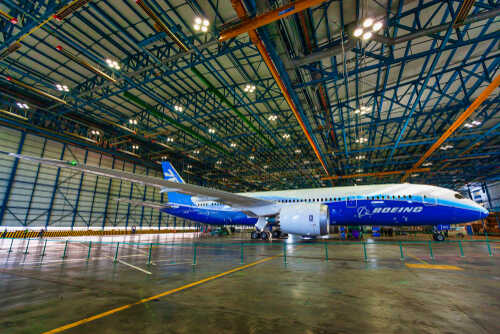
Bangladesh’s surprise order of 25 Boeing planes is a strategic maneuver in the chess game of US tariffs and trade negotiations.
At a Glance
- Bangladesh increases Boeing order to 25 aircraft to counter proposed 35% US tariff.
- The move aims to protect Bangladesh’s crucial garments export sector.
- A Bangladeshi delegation will visit Washington for final tariff talks.
- Results of the negotiations are expected by August 1, 2025.
Bangladesh’s Bold Move in Trade Chess
Bangladesh, striving to protect its vital garments export sector from a looming 35% US tariff, has made a bold move by upping its order of Boeing aircraft from 14 to 25. This decision is part of a calculated strategy to negotiate its way out of a severe tariff threat that could cripple its trade dynamics with the US. The order represents an effort to address the $6 billion trade deficit and secure a more favorable economic relationship with the US.
This move comes at a critical time as Bangladesh prepares to send a delegation to Washington. The stakes are high, with the outcome of these negotiations potentially setting the tone for Bangladesh’s economic future in its largest export market. The urgency is palpable, with results expected by August 1, 2025.
Bangladesh to Buy 25 Boeing Jets in Bid to Ease 35% US Tariff #aviation https://t.co/yUZzm6a49hhttps://t.co/xR02bv64xM
— Aerospace News by HYPE (@HypeAviation) July 27, 2025
The Trade Deficit Dilemma
The US-Bangladesh trade relationship has been marred by a persistent deficit, prompting the US to propose hefty tariffs on Bangladeshi goods. Bangladesh’s economy relies heavily on exports, predominantly garments, which makes the US one of its top markets. The Trump administration’s protectionist policies have put Bangladesh in a precarious position. This substantial aircraft order is a direct response to these challenges, aiming to reduce the deficit while simultaneously modernizing the national airline’s fleet.
For Bangladesh, this is not just about avoiding tariffs; it’s about survival in a competitive global market. By leveraging large-scale purchases of American goods, Bangladesh hopes to gain some leeway in tariff negotiations, mirroring strategies employed by other Asian economies like India and Vietnam.
Impacts and Implications
The purchase of 25 Boeing aircraft while strategically advantageous, does carry significant implications. In the short term, it could lead to a reduction or complete avoidance of the proposed 35% tariff, providing immediate relief to Bangladesh’s export sector. This would also bolster diplomatic relations between the US and Bangladesh, showcasing the latter’s willingness to play ball in the trade arena.
However, the financial burden on Bangladesh is substantial. The costs associated with such a large purchase might strain public finances, raising questions about the long-term sustainability of such a strategy. While it modernizes Biman Bangladesh Airlines’ fleet, enhancing its competitiveness, it also sets a precedent for future negotiations, where economic leverage might outweigh diplomatic finesse.
The Bigger Picture
The decision to purchase these aircraft is more than just a trade negotiation tactic; it’s a reflection of a broader global trend where countries use high-value US imports to secure favorable trade terms. But at what cost? This approach might work in the short term, but it doesn’t address the underlying issues of trade imbalances and economic dependence on fluctuating US policies.
As the Bangladeshi delegation heads to Washington, the outcome of these discussions will be pivotal. Success could mean a stabilized export market and averted economic crisis. However, failure could set a dangerous precedent, where purchasing power becomes the primary bargaining chip in international trade negotiations.