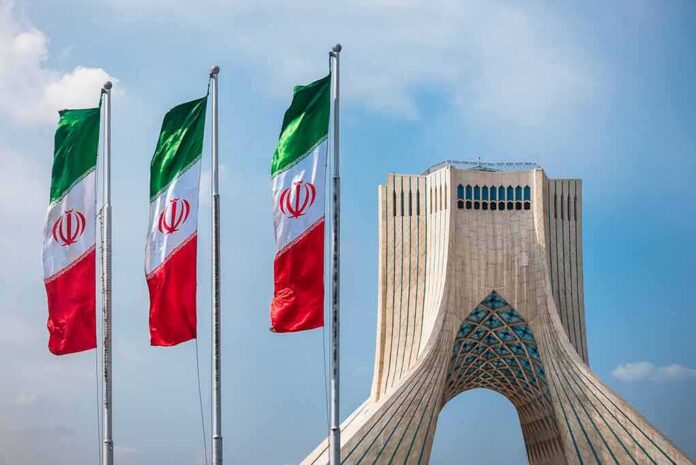
Saudi Arabia’s top defense official flew to Tehran this week to talk security with Iran’s president, even as Iranian-backed Houthi missiles kept slamming into Saudi soil just hours before the meeting.
Story Snapshot
- Top officials from Saudi Arabia, Pakistan, and Turkey met Iranian leaders in Tehran on October 26, 2026.
- Pakistan’s military chief reportedly carried a proposal into the talks with President Trump’s blessing.
- Houthi attacks on Saudi Arabia continued right up to the meeting, undercutting trust in Tehran.
- The Mecca Pact was built to deter Iran, not invite it in, and Turkey hasn’t even finished ratifying the deal.
Tehran Meeting Marks Rare High-Level Contact
Saudi Defense Minister Prince Khalid bin Salman, Pakistani military chief Field Marshal Asim Munir, and Turkish intelligence chief Ibrahim Kalin sat down with Iranian President Masoud Pezeshkian and security chief Mohsen Rezaei in Tehran on October 26. It marked the first high-level contact between the Mecca Pact nations and Iran since the kingdom became a flashpoint in the wider Iran conflict.
Iranian state media called the talks “very good” and said both sides agreed to keep talking. That’s a far cry from a formal invitation to join the alliance. No accession deal, no mutual-defense commitment, and no enforceable deal to rein in Iran’s proxies came out of the room.
Trump’s Fingerprints on the Diplomacy
Reporting from Al Jazeera says General Munir walked into Tehran with President Trump’s blessing to pursue diplomacy, carrying a proposal designed to give something to both Washington and Tehran. Qatar and the Mecca Pact states could reportedly serve as guarantors if a deal takes shape. That’s the kind of peace-through-strength leverage this administration has pushed for, but leverage is not the same as trust.
President Trump has made clear he wants wars ended, not restarted, and pressing allies to talk rather than fight fits that playbook. Still, conservatives who remember decades of Iranian bad faith know a seat at the table is not something Tehran has earned through good behavior.
Houthi Attacks Undercut the Case for Iran’s Inclusion
Saudi Arabia faced Houthi missile and drone fire on its military facilities and oil infrastructure in the days before the Tehran meeting. Analysts note Houthi and Iranian interests “have thus far aligned,” with the rebel group advancing Tehran’s regional goals even if it isn’t a direct proxy. One assessment bluntly stated that the original Mecca Joint Defense Agreement’s “lack of efficacy became apparent within 48 hours of signing,” leaving Riyadh to fend for itself.
An Iranian official even argued that cooperating with the Mecca Pact countries could weaken Tehran’s support for the Houthis, a tacit admission that Iran holds real leverage over the group attacking Saudi Arabia. That’s not the profile of a trustworthy security partner; it’s the profile of a regime holding a knife to its neighbor’s throat while offering to talk peace.
A Pact Built to Deter Iran, Not Embrace It
Observers who track the alliance say its real purpose has always been preventing Iran, and Israel, from dominating the region, not partnering with them. Analyst Afzal Baig has noted that Saudi Arabia wants to avoid getting dragged into Iran’s conflicts with the United States and Israel, even as Iranian officials signal they’re ready for confrontation if negotiations collapse.
Turkey hasn’t even finished the paperwork on the original pact. Its full parliament has not voted to ratify the Mecca agreement, and opposition lawmakers in Ankara warn it could drag Turkey into other nations’ wars. Adding Iran, a far more combustible variable, before the founding members have settled their own commitments would be putting the cart miles ahead of the horse.
Caution Before Any Formal Seat at the Table
Continued dialogue with Iran is not inherently bad. Keeping communication channels open can prevent a wider war and gives President Trump’s team room to negotiate from strength. But treating ongoing talks as a stepping stone toward full Iranian membership in a Gulf defense pact ignores the daily missile fire, the unfinished ratification process, and the plain fact that Iran’s regime has given the free world no good reason to be handed a deterrent alliance’s membership card.
Sources:
euronews.com, france24.com, cnn.com, aljazeera.com, iranintl.com, asiatimes.com, theamericanconservative.com