Violent mobs hijacked France’s student-led protests, torching buildings and looting shops as authorities logged thousands of arrests across the country.
Story Snapshot
- Student protests over crumbling schools and high costs spiraled into nationwide riots.
- French authorities reported about 2,400 arrests and hundreds of injured officers during unrest.
- Officials blamed ultra-left radicals and criminals for arson, looting, and attacks on town halls.
- A protester lost a hand in a crowd-control blast, fueling debate over police force.
Student Grievances Sparked the Mass Protests
French students launched demonstrations after weeks of anger over packed classrooms, teacher shortages, and rundown school buildings. National outlets reported that hundreds of thousands turned out, and that the initial demands focused on classroom conditions and basic school staffing. The protests quickly tapped into wider frustration over rising living costs and stagnant pay. Reports linked the movement to unions and Yellow Vest activists, broadening the scope and size of the marches well beyond schools.
Specific complaints went beyond slogans. A nineteen-year-old student in Paris tied the fight to high fuel costs, harsh living expenses, and unsafe conditions around protests. That personal account echoed national coverage of pay not keeping up with inflation, and public services showing strain. The government acknowledged part of the staffing gap, pledging to deploy about 3,000 qualified but non-working teachers. Officials did not promise major new school funding, citing fiscal limits in tight budgets.
Riots, Looting, and Attacks Overwhelmed Peaceful Marches
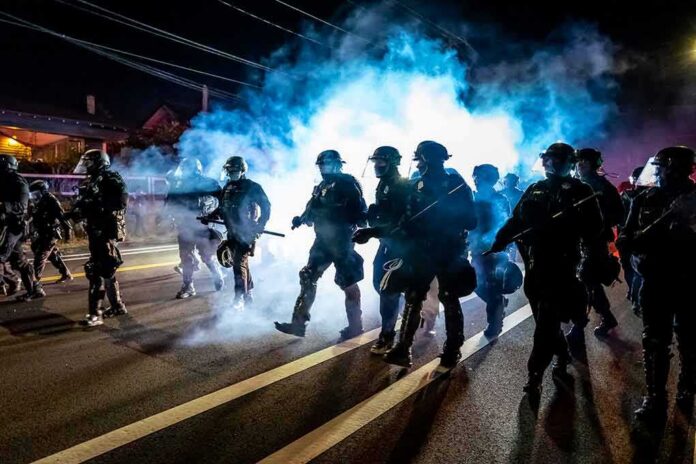
As marches spread, violent groups clashed with police, looted stores, and set fires to public buildings. Images of arson and smashed storefronts dominated coverage. French authorities said the unrest was the worst in years, with nearly 2,400 people arrested over a few days. Police and gendarmes reported large numbers of injuries while trying to protect city halls, prefectures, and shops. Officials warned that the scale of damage made public order the top concern.
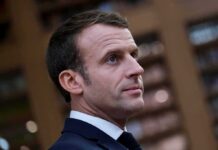
President Emmanuel Macron and Interior Minister Laurent Nuñez separated lawful protest from crime. They blamed “ultra-left” radicals and opportunistic criminals for the worst violence, including attacks on public offices and looting in several cities. Police also arrested a suspect tied to the Limoges town-hall fire, which became a symbol of the chaos. Authorities said those responsible would face prosecution and punishment under national law.
Civil Liberties Questions Meet a Hard Public-Order Line
One protester’s hand was blown off by a police crowd-control grenade during the nationwide actions, raising sharp questions about tactics. That case fueled concerns over excessive force, even as police confronted fast-moving vandalism and arson. Reports described the government considering curfews and bans by regional prefects in order to protect public buildings and businesses. Leaders argued that guarding life, property, and the rule of law outweighed the risks of tighter limits on gatherings during peak unrest.
Armored gendarmerie trucks now line Marseille streets as France braces for more cost-of-living protests. This comes after a week of riots, looting and curfews across French cities. Who answers for a crisis that needs armored trucks on city streets? pic.twitter.com/oeoOhoHZoa
— Voyte (@voyteapp) October 24, 2026
Turnout totals and arrest counts remain disputed, and not every demand had a clear budget or plan attached. But the facts show a familiar pattern. Economic strain and failing services drove large, lawful crowds. Then violent actors turned streets into battle zones, shifting focus from schools to security. For Americans watching Europe, the lesson is simple: protect the right to protest, reject mob rule, and never let radicals or criminals drown out parents, students, and workers seeking basic accountability.
Sources:
redstate.com, inquirer.com, euronews.com, abcnews.com, prefecturedepolice.interieur.gouv.fr, cbsnews.com, thejournal.ie, independent.co.uk