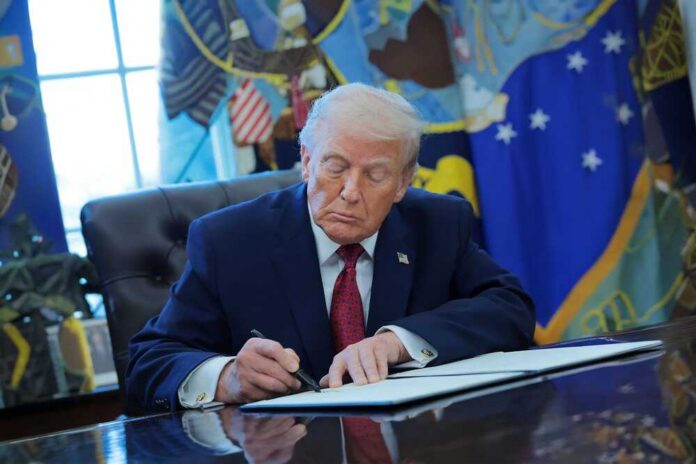
President Trump has again used his constitutional pardon power to free Americans he says were punished for political reasons under the Biden Justice Department.
Story Snapshot
- Trump granted new pardons to mechanics and other workers convicted under federal Clean Air rules, calling them “persecuted” and vowing to “set them all free.”
- These pardons fit Trump’s wider push to undo Biden-era “weaponized” prosecutions, including earlier mass clemency for January 6 defendants and other politically charged cases.
- Critics in the media and legal world claim Trump’s pardon choices are political and benefit insiders, but they rarely address the underlying overreach in the original Biden-era prosecutions.
- The Constitution gives the president broad, almost complete power to pardon federal offenses, and Trump is using it to challenge what many conservatives see as abusive regulations and partisan justice.
Trump Targets Biden-Era “Persecution” Under Federal Clean Air Law
President Trump’s latest pardons center on working Americans who were convicted under the federal Clean Air Act for tampering with truck emissions systems. One key case is Troy Lake, a 65-year-old diesel mechanic who spent months in federal prison after he was charged with conspiracy for disabling pollution monitors on hundreds of trucks. Environmental regulators and prosecutors under Biden treated these right-to-repair practices as serious crimes, even though many customers simply wanted engines that worked better for hauling and business.
Cable outlets like CNN describe these cases as clear violations of Environmental Protection Agency rules, stressing the harm to air quality and climate goals. But Trump and many mechanics see something else: an aggressive Biden Justice Department that turned complicated regulations into criminal charges against small businesses and tradesmen. Social media posts from truckers and shop owners call the defendants “persecuted” and cheer Trump’s line, “I am setting them all free,” capturing the feeling that Washington targeted people just trying to keep their livelihoods.
Pattern of Politically Charged Clemency in Trump’s Second Term
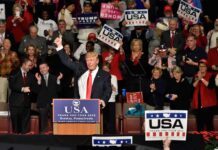
These new pardons are not isolated acts; they extend a pattern that began the moment Trump returned to the White House. On his first day of the second term, Trump issued blanket clemency to roughly 1,500 people charged or convicted over the January 6 Capitol events, wiping away thousands of years of combined sentences and fines for what he framed as political prosecutions. Many of those cases involved nonviolent trespass and protest charges that the Biden administration pursued aggressively, often with harsh obstruction counts later questioned by the Supreme Court.
Justice Department records show Trump has now granted clemency to well over 1,700 people in his second term, covering January 6 defendants, financial cases, and now Clean Air Act mechanics. The White House’s own documents highlight full, unconditional pardons in individual cases like former congressman Stephen Buyer, whom Trump said was unjustly convicted in a Biden-era corruption probe. While critics claim this is “justice for sale” or favoring political allies, the record also shows many ordinary defendants, small business owners, and workers swept up in broad federal statutes and complex regulatory schemes.
The Fight Over “Weaponized” Justice and Executive Power
Trump’s defenders argue these pardons are a constitutional check on a Justice Department that, under Biden, blurred the line between enforcing law and punishing political enemies. They point out that over 60 percent of high-profile pardons since 1980, across both parties, have involved claims of unfair or politicized prosecutions, showing this is a long-standing problem and not unique to Trump. The Brookings Institution notes that Trump, in both terms, often used clemency to respond to what he saw as misuse of broad federal statutes and vague obstruction laws.
Trump grants pardons to 'persecuted' mechanics in right-to-repair crackdown: 'I am setting them all free' https://t.co/TyfqpsTNYs #FoxNews
— Jan G (@g19310943) July 4, 2026
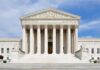
The Constitution’s pardon clause gives the president very wide power to fix injustice in federal criminal cases, and courts have repeatedly confirmed that Congress cannot easily limit it. The Department of Justice’s own Office of the Pardon Attorney explains that presidents do not have to follow its internal guidelines and can act even before someone is charged. That reality angers many legal experts who dislike Trump’s choices, but it also means he is squarely within his rights when he steps in to protect mechanics, truckers, and protesters from what he calls a weaponized system.
Media Narratives, Lobbyist Allegations, and the Question of Fairness
Mainstream outlets like Reuters and The Atlantic frame Trump’s second-term pardons as corrupt and driven by money, pointing to stories of lobbyists asking for huge fees to push cases. Some former Justice Department officials say the process bypassed traditional review and made career lawyers uncomfortable. At the same time, these critics rarely dig into the underlying prosecutions themselves, such as whether Clean Air Act charges against small mechanics were proportionate or whether sweeping January 6 obstruction counts fit the statute, which the Supreme Court narrowed in 2024.
For many conservative readers, this looks like another double standard: elite media obsess over how Trump uses his constitutional power while saying little about how Biden’s team stretched federal law, drove up energy and compliance costs, and targeted political opponents. Trump’s mass clemency for January 6 and now his pardons for so-called “persecuted” mechanics send a clear message that the federal government should not crush citizens for protesting, repairing their own property, or running honest businesses under a mountain of red tape. Whether one agrees with every choice, these actions force a hard question: who is really abusing power—working Americans in garages and protest crowds, or bureaucrats and political appointees in Washington?
Sources:
nypost.com, theatlantic.com, gov.ca.gov, justice.gov, youtube.com, whitehouse.gov, facebook.com, coinbase.com, cnn.com, landline.media, eenews.net, whitehousehistory.org, vera.org