
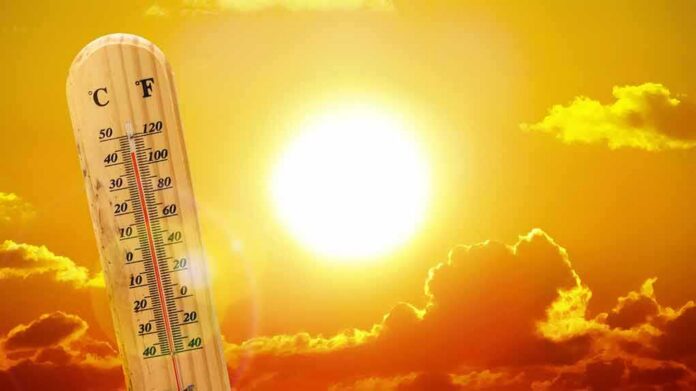
Japan has now logged its first officially “cruelly hot day,” showing just how extreme modern summers have become.
Story Snapshot
- Japan’s weather agency created a new category, kokushobi, for days at or above 40°C to warn of deadly heat.
- Three central cities just crossed that mark, triggering the first official “cruelly hot day” in Japan’s history.
- Hundreds of other stations also reported dangerous heat, with widespread heatstroke alerts across most of the country.
- Climate activists are already using the event to push more global warming alarm and top-down control.
Japan’s New “Cruelly Hot Day” Label
The Japan Meteorological Agency introduced the term kokushobi earlier this year for days when temperatures reach 40 degrees Celsius or higher, adding a new top tier to its existing heat warning scale. The agency already had names for days above 25°C, 30°C, and 35°C, but decided a separate label was needed for 40°C days as these once rare events have become more common. Officials say the goal is clearer public warnings, but global media quickly framed the change as proof of a deepening climate crisis.
On Tuesday, three central Japan cities hit the new threshold, triggering the country’s first officially designated “cruelly hot day.” Tajimi and Gujo in Gifu Prefecture reached around 40°C, while Toyota in Aichi Prefecture topped 40°C as well, all meeting the kokushobi rule. Some of these readings set all‑time records for their local stations, underlining how intense the current heat wave is. This single day now serves as the first real‑world test of the new label and the public warning system attached to it.
Heat Alerts Across Japan’s Aging Society
Japan’s meteorological agency responded to the spike in temperatures by issuing heatstroke alerts in 41 of the country’s 47 prefectures, covering nearly the entire nation. The agency urged people, especially the country’s many elderly citizens, to stay indoors, use air conditioning, drink plenty of water, and avoid long periods outside. Reports say temperatures have been rising since mid‑July and that severe heat is expected to continue nationwide, turning this into more than a one‑day oddity. For a rapidly aging society, that kind of sustained heat poses serious health risks.
Context from recent years shows this event fits into a trend of longer, hotter summers. Guides based on Japan Meteorological Agency data note that Japan’s hottest summers have all come in the last few years, with average nationwide temperatures well above historical norms. The agency’s step‑by‑step heat vocabulary—summer days, hot days, severely hot days, and now cruelly hot days—has grown over time as these extremes became more frequent. That rising baseline has real impacts on energy use, public health systems, and daily life, something Japanese officials now have to manage every summer.
How Media Frames “Cruelly Hot Days”
International outlets have seized on the kokushobi story, often tying it directly to climate change politics. Some reports highlight scientists who say human‑caused climate change is increasing the frequency and intensity of extreme heat events in Japan and worldwide. Others point to recent record highs, such as temperatures above 41°C, as part of a broader narrative of escalating climate emergency. This framing supports calls for more top‑down controls on energy and industry, which many conservative readers recognize from debates here at home.
#JapanHeatwave under way with cruelly hot 40C temps. #ClimateChange amplifying extremes.
– Aging population vulnerable to heat stroke
– “kokushobi” – brutally hot days – becoming more frequent
– Rice crops threatenedPeople of Japan! Demand climate action now! pic.twitter.com/pswLvXiJfp
— Richard (@ClimateConnex) July 22, 2026
For American conservatives, the Japan case is a reminder to separate solid facts from political spin. The hard data show 40°C heat, an aging population at risk, and a new term created to make warnings clearer. The leap from those facts to sweeping global policies, heavy regulation, or limits on reliable energy is a choice made by activists and bureaucrats, not by the thermometer. As we watch other countries respond to extreme weather, it is worth noting which solutions focus on practical protection of people, and which simply reuse every heat wave as another tool to push endless climate alarm and bigger government.
Sources:
insiderpaper.com, nippon.com, facebook.com, bloomberg.com, chosun.com