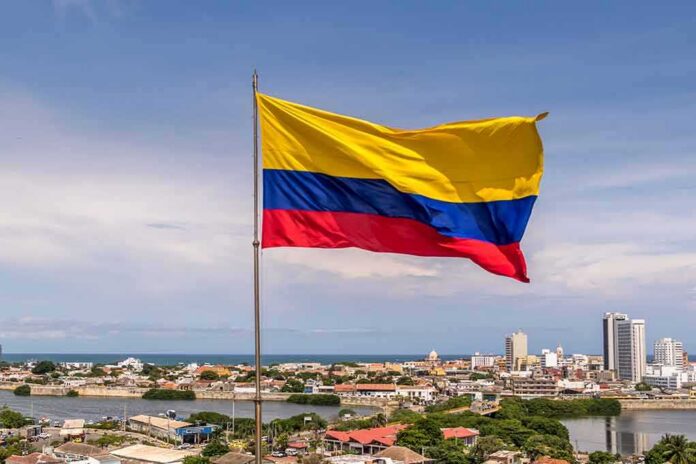
Colombia’s new Trump-backed leader just pledged to host a Medellín base for the Shield of the Americas, turning one of the world’s cocaine capitals into a forward post of a US-led anti-cartel war.
Story Snapshot
- Colombia’s president-elect Abelardo de la Espriella says Medellín will host a Shield of the Americas office.
- The Shield of the Americas is President Trump’s anti-cartel coalition, built to use real power against narco-terror.
- Colombia, once sidelined under leftist rule, is set to join a bloc of pro-US governments fighting organized crime.
- Key details of the Medellín office’s legal status and operations are still unclear and deserve close watching.
Colombia Shifts From Petro’s Drift To Trump’s Anti-Cartel Alliance
Colombia is the world’s largest producer of cocaine, and for years its left-wing government under Gustavo Petro fought and feuded with Washington over drug policy. That era is ending. Far-right lawyer and businessman Abelardo de la Espriella, endorsed by President Donald Trump, won Colombia’s 2026 election by a razor-thin margin over leftist senator Iván Cepeda. His victory marks a sharp turn toward pro-US, law-and-order politics in a country that has long been ground zero for cartel power.
President-elect de la Espriella is wasting no time tying Colombia directly to Trump’s regional security vision. Multiple reports say he has vowed to join the Shield of the Americas, Trump’s anti-cartel alliance of right-leaning governments across Latin America. This coalition was launched in March 2026 as the “Americas Counter Cartel Coalition,” built to coordinate military and security action against transnational criminal organizations and narco-terror networks. For conservatives, Colombia’s move signals real momentum behind Trump’s promise to stop cartels at the source, not just at the US border.
Medellín Office: Symbolic Ground Zero For The Shield Of The Americas
The most striking part of de la Espriella’s announcement is his plan to host an alliance office in Medellín. Medellín was once ruled by the Medellín cartel and Pablo Escobar, and it remains a symbol of drug-fueled violence in the Americas. Now, the president-elect says the city will house a base for Trump’s Shield of the Americas, turning cartel territory into coalition territory. Reports from international outlets confirm he stated Tuesday that Colombia will host this office, and that it will be installed in Medellín once he takes office on August 7.
For Trump supporters, this move carries both practical and moral weight. Practically, a Shield of the Americas office in Colombia would give US and allied officials a direct hub inside the main source country for cocaine, closer to the networks that flood American towns with poison. Morally, placing that office in Medellín signals that the days of cartel impunity are supposed to be over. It says the alliance intends to plant its flag where drug lords once ruled, which fits Trump’s broader push to treat cartels like terrorists, not just criminals. That message matters to families who have watched drugs destroy communities back home.
What We Know And What Still Needs Scrutiny
Still, conservatives who care about results, not headlines, should keep asking hard questions. The current record rests on public statements and media reports, not yet on detailed government documents. No source in this package shows the formal legal status of the Medellín office, its funding, staffing, or exact mission. Analysts who study Latin American security warn that regional alliances are often launched with big declarations and very thin paperwork or budgets. That pattern makes it easy for globalists and bureaucrats to water down bold promises over time.
The Shield of the Americas itself fits that risk. Experts note the coalition began with a short declaration and limited clarity on burden sharing, even as it pledged coordinated action against cartels. Without firm rules, aggressive timelines, and transparent oversight, any alliance can drift toward symbolism and away from real pressure on criminals. For US patriots, the stakes are clear: if this Medellín office becomes a serious operational hub, it can help disrupt cartel routes before drugs reach the border. If it turns into a talking shop, it will waste momentum and taxpayer goodwill.
Strategic Upside For The US – And A Warning On Sovereignty
Colombia’s shift also matters for the wider geopolitical map. Under Trump, the Shield of the Americas gathers right-leaning governments that want US partnership against crime instead of hedging with China or tolerating cartel influence. Argentina, Ecuador, El Salvador and others are already listed among the pro-US administrations in this alliance. Colombia joining that group can strengthen a bloc that backs tougher borders, harsher penalties for traffickers, and resistance to leftist “harm reduction” experiments that never stop the supply.
At the same time, conservatives rightly watch any foreign security framework for threats to national sovereignty and constitutional rights. Shield of the Americas planning includes the use of military capabilities to disrupt and dismantle cartels. That power must remain firmly under elected civilian control, both in the US and abroad. Americans need to ensure that no international office—even one in Medellín—can be used later to push gun control, undermine due process, or justify new forms of surveillance on law-abiding citizens at home. Strong alliances are useful; quiet mission creep is not.
Sources:
insiderpaper.com, rfi.fr, voz.us, infobae.com, theguardian.com, theintelligencebulletin.com, reuters.com, trtworld.com