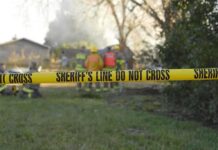

A 15-year-old Eagle River High School athlete collapsed during gym and went into cardiac arrest, later being declared brain dead, shocking an Alaska community and raising urgent questions about school emergency readiness.
Story Snapshot
- Levi Curry, 15, collapsed during physical education at Eagle River High School and suffered cardiac arrest.
- Family accounts say he was declared brain dead later that day; the family chose organ donation.
- Reports note a managed heart history but do not identify a certified medical cause.
- Coverage credits swift CPR and transport to Providence Hospital after the collapse.
What Happened During Gym Class
People and Alaska outlets report that Levi Curry, a 15-year-old freshman and football player, collapsed during physical education at Eagle River High School in the Anchorage area. He went into cardiac arrest on the scene. Paramedics and school staff responded and moved him to Providence Hospital. People reports that he was declared brain dead later that day, and the family chose organ donation, according to their fundraiser update. Reports consistently place the incident at Eagle River High School.
Several outlets describe CPR efforts and an ambulance transport after the collapse. Family statements shared by media thank school staff and first responders for their work. The New York Post and other reports state that paramedics performed CPR while taking Levi to the hospital, underscoring how fast action followed the emergency. Published stories differ on whether the collapse occurred November 5 or November 6, but they agree on the sequence from collapse to hospital care and brain death.
What We Know About His Health Background
A church statement and family accounts say Levi had a heart condition that had been managed by a pediatric cardiologist. His father said surgery in infancy had “basically healed it,” according to reporting. None of the available stories provide a final, certified medical cause of death or an autopsy report. The reports affirm the collapse, cardiac arrest, hospital course, and organ donation, but they do not link the prior condition to the arrest with medical records or a physician statement.
This tragedy reflects a rare but known risk in youth sports: sudden cardiac arrest. Research shows that survival often hinges on speed. Early cardiopulmonary resuscitation and quick use of an automated external defibrillator can raise survival odds in schools. One national study of high schools found that most cases were witnessed, most received bystander CPR, and many received a defibrillator shock, with a majority surviving to discharge when those steps occurred. These findings stress why schools need strong emergency plans.
Why Rapid Response and Equipment Matter
Medical guidance for high schools is clear: recognize arrest fast, call emergency services, start cardiopulmonary resuscitation, and use an automated external defibrillator as soon as possible. Consensus statements emphasize these steps as the critical chain of survival for student athletes. Programs that plan, drill, and keep defibrillators close to the gym, field, and hallways help save lives when seconds count. Communities that invest in this gear and training see better outcomes for students and staff.
And so young…'suddenly'😪💔
*Levi Curry-15-USA
*Beloved Student-Athlete, a freshman at Eagle River High School in Alaska
*November 6, 2026
*Standing 6 feet 3 inches tall at 15, Levi made history for his program by starting on the varsity offensive line as a ninth grader, a… pic.twitter.com/S3DCm7yFzN— cheri maday (@resilient333) November 14, 2026
Several studies back this up. School-based data show strong survival when an on-site defibrillator is used and trained staff respond without delay. One analysis reported survival rates above 60 percent when schools had a plan, bystander cardiopulmonary resuscitation, and a shock delivered quickly. These results align with broader findings that early defibrillation is often the decisive factor in young athlete arrests. Simple preparation can mean a child goes home alive.
The Conservative Bottom Line: Protect Kids, Empower Communities
This story is about duty close to home. Parents trust that schools are ready when a child’s heart stops. Local leaders should verify that emergency action plans are active, defibrillators work, and staff know their roles. These are practical steps, not federal mandates. Strong families, prepared schools, and engaged communities save lives. Honoring Levi means making sure every gym, field, and hallway is ready with training, a plan, and a working defibrillator—because seconds matter most.
Sources:
nypost.com, people.com, thenightly.com.au, alaskasnewssource.com, tmz.com, news.today