
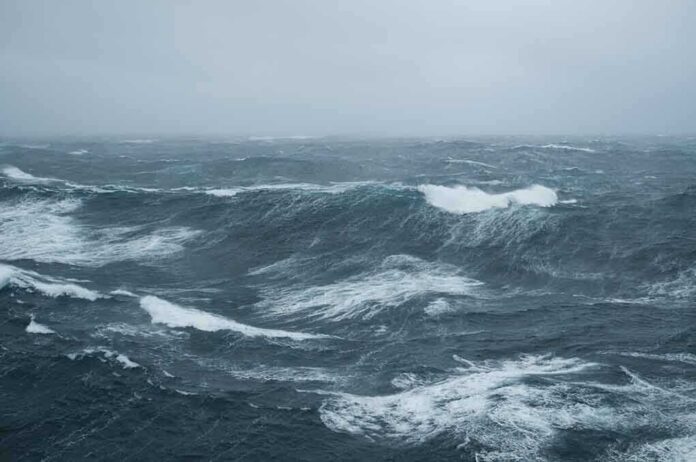
A towering wave smashed through Capitola Wharf and tore off a wooden railing as dangerous surf flooded nearby streets, forcing evacuation warnings for parts of the coastal village.
Story Highlights
- National Weather Service posted a High Surf Warning and Coastal Flood Advisory for Capitola.
- Police issued an evacuation warning due to dangerous surf and coastal flooding.
- Video showed a wave striking the wharf and shredding part of the railing; no injuries reported.
- Forecasts cited 20- to 35-foot breaking waves with larger sets possible at exposed beaches.
Hazard Alerts Target Capitola’s Coastline
The National Weather Service issued a High Surf Warning and a Coastal Flood Advisory for Capitola on November 14, signaling a clear threat from powerful surf and high water. The advisory covered midnight through the afternoon, with the surf warning stretching into early November 15. These alerts were not routine. Forecasters warned of dangerous waves and coastal flooding that could impact low-lying streets and beachfront areas. The timing aligned with peak tides, raising the risk of water reaching roads and homes near the shore.
Local law enforcement moved fast to keep people safe. Capitola Police announced an evacuation warning for Capitola Village tied to dangerous surf and flooding concerns. Officials urged residents and businesses in vulnerable spots to prepare to leave and to move vehicles and valuables to higher ground. County warnings highlighted specific coastal trouble zones where flooding could trap cars and slow emergency crews, including parts of Capitola Village and nearby low-lying beach roads. Clear, early messages helped limit crowding on the pier and beach during the most hazardous hours.
Wave Strikes Wharf; Railing Damaged, Streets Flooded
A dramatic wave hit the Capitola Wharf around midday and ripped away part of a wooden railing, according to contemporaneous reporting that included video from the scene. The impact underscored how surge and wave run-up can jump barriers and slam structures. Officials and reporters described damage at the wharf as minor and limited to the railing, and there were no immediate injury reports. Water pushed into nearby streets as tides and surf peaked, complicating access and reinforcing why authorities urged people to keep a safe distance.
Forecasts warned the public about big water well before the strike. Regional outlets cited expected breaking waves of 25 to 35 feet at exposed beaches, with some sets even larger, while other reports referenced 20- to 30-foot ranges and the possibility of bigger peaks. These numbers explained the serious tone of the alerts and the focus on access routes. The exact height of the wave that damaged the railing was not instrumented, but the forecasts made clear that outsized breakers could hammer the wharf and flood nearby lanes.
Why Capitola’s Wharf Keeps Taking Hits
Capitola Wharf has endured repeated storm damage for more than a century, from early twentieth-century losses to major failures in the 1980s. A devastating January 2023 storm split the structure and forced a large rebuild. The city completed about $10.6 million in resiliency work by 2024, replacing decking and railings and strengthening key supports to better handle pounding waves. That investment aimed to keep the wharf open to the public while reducing the chance that the next big set would cause a severe break.
The calm before the storm in Capitola Village.
We’re looking at 18-22’ swells coming through. That’s taller than the wharf. Here we go again.From my little paradise, I love looking across the bay and seeing the Moss Landing smokestacks and at Monterey getting some rain. pic.twitter.com/4uQDbgBRpQ
— Dhalgren Marquis (@DhalgrenMarquis) November 13, 2026
Saturday’s damage did not match the scale of past failures. The reported harm centered on a section of railing, not pilings or the main deck. That difference matters. Strong design and timely warnings can convert a potential disaster into a manageable incident. At the same time, persistent exposure to heavy surf means every season brings risk. Residents and visitors should expect closures and temporary warnings when storms push tides and waves above normal. Careful planning and fast communication help protect people, property, and first responders.
Public Safety Takeaways for Coastal Communities
Authorities urged people to stay off piers, jetties, and seawalls during high surf because one wave can sweep a person into the water. Drivers in low-lying zones were advised to avoid flooded streets and not to cross moving water. These steps are basic but save lives when surf and tides peak. The Capitola response showed a practical playbook: rely on National Weather Service alerts, issue targeted evacuation warnings, and restrict access near danger zones to keep emergency lanes open.
For conservative readers, this event highlights a simple truth: local readiness and clear lines of authority matter. When warnings are specific, people can act. When agencies speak with one voice, confusion drops. California’s coast will always test infrastructure. Strong maintenance, honest risk messages, and respect for first responders protect families and businesses without inviting heavy-handed overreach. Saturday’s wharf incident shows that focused preparation beats panic, and that smart local action keeps a hard hit from becoming a catastrophe.
Sources:
nypost.com, preview-forecast.weather.gov, santacruzsentinel.com, tldrdailynews.com, ksbw.com