Rubio said there is no imminent threat to Washington, pushing back on alarming dirty-bomb headlines while stressing confidence in U.S. intelligence systems.
Story Snapshot
- Rubio said he is not concerned about an imminent attack on Washington.
- White House said there were no credible homeland threats at that time.
- CNN’s report described Iranian planning as options, not an imminent strike.
- Iran denied the allegation; officials reportedly debated capability and intent.
Rubio Rejects Imminent Threat After Washington Dirty-Bomb Reports
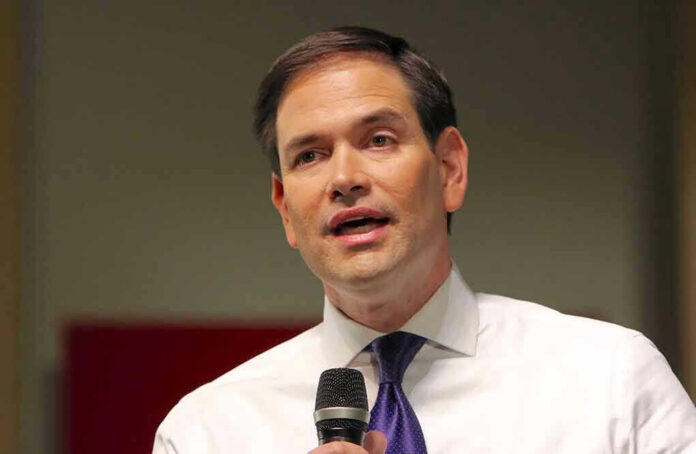
Secretary of State Marco Rubio told reporters in Manila on November 18 that he does not see an imminent attack on Washington. He answered, “I am not,” when asked if he was concerned about an immediate strike, and added, “I don’t think there’s any imminent threat.” His comments followed media reports that Iran was developing plans to detonate a dirty bomb. Rubio said threat streams arrive daily and most are not credible, and he voiced confidence in U.S. intelligence and monitoring systems.
A White House spokesperson said officials were monitoring all potential threats but saw no credible homeland threat at that time. That statement aligned with reporting that described internal debate among intelligence personnel on Iran’s capability and intent. The same reporting stated that planning activity appeared aimed at giving Tehran options, not signaling an imminent attack decision. These points supported Rubio’s narrower claim on timing, even as specifics of targets and locations drew attention and concern.
What The CNN Report Did And Did Not Claim
CNN cited seven unnamed U.S. officials and reported that intelligence indicated possible Iranian planning, including references to specific targets. The report, however, said sources viewed the planning as giving Tehran options and not proof of an imminent strike. It also said U.S. officials were divided on whether Iran had the necessary personnel in place. The White House line in the report matched the later public statement: no credible threats to the homeland at that time, but active monitoring continued.
This mix of detail and caution created tension for the public. On one hand, specific targets and “dirty bomb” talk sound urgent. On the other, the same sources said the activity did not mean an attack was near. That kind of warning noise is common. Officials must weigh fragmentary signs against history, where many alerts fade while a few become real. The core here is simple: planning indicators do not always equal capability, intent, or timing to act.
Iran’s Denial And The Need For Disciplined Verification
Iranian officials publicly rejected the dirty-bomb allegation as false and fabricated. Outside outlets also noted that the report did not disclose public evidence and that some claims, like materials inside the United States, were not independently verified. These denials do not prove the planning did not occur, but they do underline why disciplined sourcing matters. Given public stakes, Congress and inspectors general can seek records to test what was planning noise versus real operational steps.
🚨 JUST IN: MARCO RUBIO DISMISSES IMMINENT IRANIAN ATTACK FEARS AND RULES OUT LINKED CYBERATTACKS.
US Secretary of State Marco Rubio has addressed two major concerns:
🇺🇸 Iran threat: Rubio says he sees no “imminent threat” to the United States following reports of a possible…
— Fact Checker (@FactCheckero1) November 18, 2026
Rubio urged calm while defending U.S. detection systems. That stance fits conservative priorities: protect the homeland, avoid panic, and demand proof before policy whiplash. Still, transparency is crucial. Lawmakers can request declassified summaries on assessments, confidence levels, and dissenting views. Protective agencies, including the Federal Bureau of Investigation and the Department of Homeland Security, can brief whether their posture changed. This process checks alarmist leaks, respects civil order, and keeps focus on real threats, not cable chatter.
How Conservatives Should Read This Moment
Conservatives should separate three things: what was reported, what was verified, and what changed on the ground. Reporters highlighted alleged plans and possible targets. The White House said there was no credible homeland threat at that time. Rubio said threats come in daily and most do not pan out. Those facts support strong vigilance without fear. The right approach is tight borders, tough counterintelligence, and clear communication, with Congress holding any anonymous leakers to account if they misled the public.
Policy should follow evidence, not hype. If new facts show real movement toward an attack, agencies must act fast and say so. If not, leaders should keep the public informed and avoid fueling panic that helps enemies or hurts our economy. President Trump’s team can press for targeted declassification to build trust while protecting sources and methods. That balance protects liberty and safety. It also rejects the media cycle that often prizes shock over proof and clarity.
Bottom Line: Stay Alert, Demand Proof, Back Real Security
Rubio’s on-record statement that there is no imminent threat, plus the White House’s “no credible threat” line, sets the posture today. CNN’s report pointed to planning but not a go-order, and officials reportedly debated if Iran could even execute such an attack. Iran denied the report. Until verified facts move, calm vigilance is the smart path. Secure the homeland, support strong intelligence, and require evidence before changing threat levels or civil guidance.