A CNN anchor pushed health doubts about President Trump on air, but the reporter who was with Trump for two intense days said the president is “in great health.”
Story Highlights
- CNN’s Kasie Hunt raised health and stamina questions about President Trump during a segment.
- Time reporter Eric Cortellessa, who interviewed Trump twice recently, rejected the premise and praised Trump’s stamina.
- Time’s article described Trump’s tone, not a medical issue, and offered no claim of decline.
- The pattern of media speculation about a leader’s health often outruns hard evidence.
CNN Prompted Health Concerns; Guest Pushed Back With Firsthand Reporting
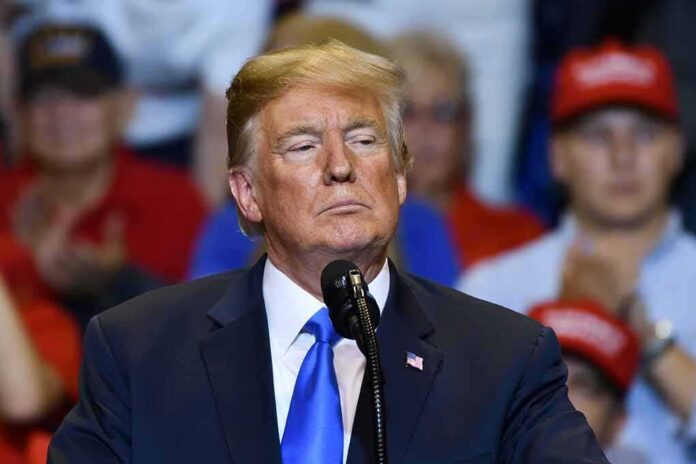
On October 2, CNN anchor Kasie Hunt framed a segment around questions about President Trump’s health and stamina. Hunt said some Democrats were raising fitness concerns and suggested Trump seemed to struggle to hear questions in a Time interview. Time reporter Eric Cortellessa, who had just spent two days covering Trump across multiple stops, answered that Trump keeps “a very high level of stamina” and “works constantly,” undercutting the health narrative on air.
In the full Time interview transcript, Cortellessa went further and said, “I think he’s in great health.” He urged that the quote be used, noting he was with Trump for two days of intense activity. That direct, named statement from the reporter who observed the president up close is stronger evidence than secondhand chatter or split-second video clips often shared online.
What Time Reported Versus What Critics Claimed
Time’s magazine write-up described Trump’s style during a seventy-five minute Oval Office interview as “discursive and grievance-fueled.” That line spoke to tone and message, not to any medical diagnosis or decline. The article did not present medical findings or cognitive testing results. It covered policy, political fights, and the president’s words at length. Health claims did not appear in the piece, which makes the CNN pivot to health more of a media framing than a reported fact.
Hunt’s on-air suggestion that Trump struggled to hear fed a familiar pattern: take an isolated visual or moment and build a larger concern around it. Cortellessa’s reply returned to concrete reporting—how Trump moved, worked, and kept pace over two demanding days. For viewers who want facts, the firsthand account carries more weight than speculation. Allegations without medical records or named doctors do not meet a common-sense standard of proof.
Why Health Speculation Spreads—and How To Judge It
Major outlets have documented how questions about a president’s health often recur as images go viral and official disclosures lag. This cycle rewards hot takes and fuels partisan noise, even when hard evidence is thin. Responsible coverage warns against “diagnosing from afar” and urges clear sourcing. That broader context helps explain why health rumors can outrun facts, and why direct on-record reporting like Cortellessa’s matters more than commentary.
💥NEW: CNN viewers will *HATE* this answer by the TIME Magazine reporter who just interviewed TRUMP💥
CNN's Kasie Hunt asked a leading question about Trump's health — but TIME's Eric Cortellessa didn't take the bait.
Hunt claimed Trump seemed to be struggling to hear…
— ☀️✨ Rachel Speaks Out 🌙💜 (@Rachelspeakout1) October 3, 2026
Americans value truth over spin. When anchors float leading questions, they should expect pushback from reporters who saw the events themselves. Viewers deserve named sources, clear quotes, and verifiable details. In this case, the clearest on-the-record facts are simple: the Time reporter who interviewed President Trump twice said the president has strong stamina and is in great health. That should carry the day unless new, credible medical information emerges.
Sources:
twitchy.com, transcripts.cnn.com, cnn.com, trump-archive.com