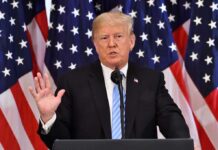
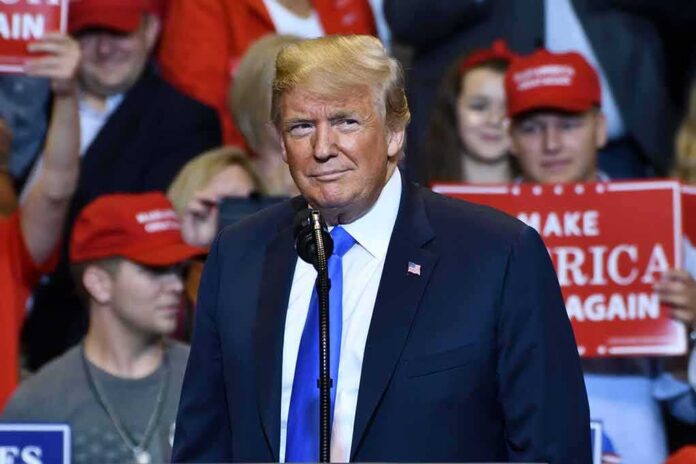
A taxpayer-labeled TV ad featuring President Trump as the central figure sparked a fight in Washington over whether public funds paid for political-style messaging.
Story Snapshot
- Multiple outlets reported the ad ran with “Paid for by the U.S. Government.”
- Lawmakers cited a federal ban on “publicity or propaganda” paid with tax dollars.
- The White House defended the spots as patriotic public service announcements.
- Ad-tracking data showed a real, if modest, initial spend that later expanded.
What Aired And Why It Matters
Newsrooms reported that a pro-Trump television spot aired with an on-screen tag, “Paid for by the U.S. Government,” tying it to public funding, not a campaign account. The content highlighted President Trump and called to “defeat communism,” with a choral “love me” refrain, placing the focus on the president’s image and message rather than a neutral notice. Those facts triggered questions about whether taxpayer dollars funded partisan-style content, a line Congress has long tried to police.
The White House called the spots public service announcements, not campaign ads, and said they are “educational and unapologetically patriotic.” Officials argued there is no call to vote and President Trump is not on the ballot. They also compared the ads to past administrations’ public service announcements on civic themes. That defense aims to keep the ads inside legal bounds that bar propaganda but allow general government messaging to the public.
The Lawmakers’ Challenge And The Rule At Stake
House appropriators said the ad appears to break Section 718 of Division E of the 2026 spending law. That rider bars using appropriated funds “for publicity or propaganda purposes” unless Congress approved it. Their formal demand pressed the White House to pull the ad and document who ordered and paid for it. A United States senator also asked for contracts, invoices, and the account codes to trace the money and authorization chain for the buy.
The anti-propaganda rider is not new. Congress has included similar bans for decades to stop agencies from using public money to shape partisan views. The issue turns on how the government defines “public service.” Neutral notices, like safety alerts, are usually fine. Self-promotion and content aimed at helping a political figure are not. That judgment depends on the ad’s content, placement, and purpose, which is why records on the funding source and approvals matter.
Money, Placement, And The Transparency Gap
Ad-tracking firms estimated an initial buy around fourteen thousand dollars, which grew as the spots expanded beyond conservative cable. The modest start still showed a real spend tied to official resources. Reports said the ad ran on Fox News and Newsmax in conservative time slots, raising questions about targeting and purpose. The White House did not identify which office or agency paid, keeping the legal rationale and accounting details out of public view for now.
The Trump administration appeared to ramp up its use of government-funded political advertisements promoting the president, airing its second TV ad in three days while expanding its spending on the first to at least $443,000. pic.twitter.com/YAuhFiNFGU
— WMBD News (@WMBDNews) September 25, 2026
Critics argue the content’s focus on President Trump, its anti-communism frame, and its “love me” refrain push it toward self-promotion, not civic education. Supporters counter that loving America, defending borders, and rejecting socialism are broad civic themes, not electioneering, and that the ad makes no ask to vote. Until invoices, contracts, and authority memos are released, the fight rests on the content on screen, the “paid by” disclaimer, and the long-standing rules Congress wrote.
What To Watch Next
Congressional inquiries could force release of the vendor list, purchase orders, and approval emails. Those records would show whether an agency public affairs budget or another account covered production and airtime. Inspectors general or the Government Accountability Office could weigh whether the ad fits public service rules or crosses into propaganda. If officials show a lawful program basis, the ad may stand; if not, expect efforts to claw back funds or halt future buys.
Sources:
youtube.com, cnn.com, cbsnews.com, nytimes.com, democrats-appropriations.house.gov, huffpost.com