A cable-news pundit appeared to defend noncitizens’ stake in U.S. elections on live TV, igniting a fresh fight over who gets a voice in our voting system.
Story Snapshot
- Leigh McGowan’s CNN comments sparked backlash for implying noncitizens are being “disenfranchised.”
- The charge comes as Nevada officials say they have seen no proof of noncitizens on their rolls from federal claims.
- Reuters reports only 129 federal cases for illegal noncitizen voting since 1996, with no coordinated schemes alleged.
- The White House says evidence of noncitizen registration and voting is growing, despite court setbacks.
Debate Flashpoint: Who Counts in American Elections
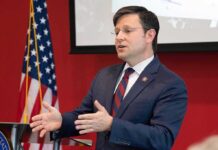
Leigh McGowan, a left-leaning commentator, drew fire after a televised panel framed the Trump administration’s citizenship checks as an effort to “disenfranchise” people. Viewers heard the quiet part out loud: activists often blur the line between citizens and noncitizens when they talk about “voter suppression.” Critics said the framing treats illegal presence or green-card status as if it creates a right to vote. That cuts against the Constitution’s structure and every state’s laws, which limit voting in federal elections to U.S. citizens.
The timing matters. The exchange landed while President Trump’s team presses states for voter data to confirm citizenship and clean rolls flagged for errors. The White House argues that noncitizen registration and occasional illegal voting are real problems and says documentation is piling up, even as judges have slowed some data quests. Supporters call the push simple election hygiene: verify rolls, confirm citizenship, and protect legal votes. Opponents cast it as fear-mongering and a pretext to chill turnout.
Nevada Dispute Underscores a Proof Gap
Nevada’s secretary of state said state records do not support federal claims about noncitizens on the rolls and added that the Department of Homeland Security has not provided evidence to change that position. Homeland Security responded that a 185-name subset had passed a manual review, but details on methods and matches remain limited in public view. Without the underlying list, the public sees a standoff: states demanding specifics, and federal officials saying they already did some vetting.
For readers trying to square the noise, a few facts help. Reuters reviewed federal prosecutions for illegal voting by noncitizens since 1996 and found 129 cases total. None alleged a coordinated effort to sway an election. That does not mean the problem is zero. It does show the known cases are small in number and often isolated. In Nevada and elsewhere, the central question is shifting from “does it ever happen?” to “how many, where, and can states verify fast without tagging lawful voters by mistake?”
Claims, Counters, and What Stands Up
President Trump and his team have cited figures about noncitizen registrations across several states, and they maintain that critics downplay the risk to justify lax rolls. National media and fact-checkers counter that these claims lack clear sourcing and methods and that audits rarely find mass illegal voting. Nevada’s records challenge is a concrete example: the state asked for proof and says it has not received verifiable matches yet. Until data is released, the claim remains unproven in that venue.
This is where McGowan’s comment matters. When activists call verification “disenfranchisement,” they shift the focus away from the citizen standard itself. Voter integrity means two things at once: keep eligible citizens on, and keep ineligible names off. Conservatives support clean rolls and targeted audits with due process. That approach stops illegal ballots without knocking legal voters out. The loudest voices often skip that balance and mock anyone who asks for proof, fueling more mistrust.
What Conservatives Should Watch Next
First, watch whether federal agencies release the Nevada subset, the matching rules, and error checks. Transparent methods will either validate the concern or clear the rolls publicly. Second, watch court rulings on data-sharing and timing limits. Judges have slowed broad data pulls, which raises the stakes for early, accurate list maintenance before the federal 90-day quiet period kicks in during election season. Third, watch for states adopting clear citizenship checks at registration with fast, simple cures for lawful voters.
LOL. CNN’s Charles Blow and Leigh McGowan accuse the Trump administration of trying to “disenfranchise” illegal aliens from voting.
Yes… that’s literally the point.
Citizenship verification is supposed to verify that voters are citizens. Non-citizens aren’t being…
— American Nightmare 🇺🇸 (@thewakeninq) September 26, 2026
The bottom line is simple. Citizens choose our leaders. Every illegal vote cancels a legal one, even if the numbers are small. McGowan’s framing treats enforcement as the problem. Voters know the real problem is a system that shrugs at clear rules. The path forward is not panic or denial. It is sunlight: publish methods, confirm citizenship, fix mistakes quickly, and protect every lawful ballot. That honors both election integrity and the dignity of legal voters.
Sources:
reuters.com, abcnews.com, nytimes.com, aclu.org