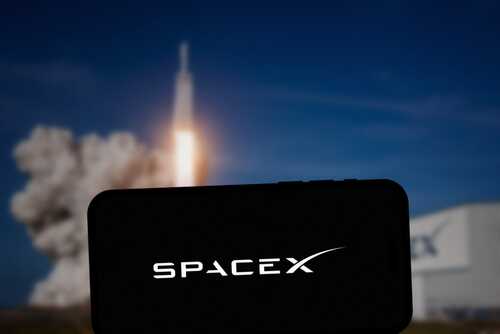
A new policy threatens economic stability as SpaceX’s $1 trillion IPO sparks debate over market impacts and national security.
Quick Take
- SpaceX is planning a $1 trillion IPO in 2026, aiming to raise over $25 billion.
- Funds will be used to develop space-based data centers, enhancing global broadband services.
- The IPO may reshape capital markets and the space industry significantly.
- Concerns arise over market concentration and national security implications.
SpaceX’s Ambitious IPO Plan
SpaceX, led by Elon Musk, is reportedly preparing for a groundbreaking initial public offering (IPO) in 2026, targeting a valuation exceeding $1 trillion. This ambitious move aims to raise more than $25 billion, positioning SpaceX among the world’s most valuable public companies. The funds will be used to develop next-generation infrastructure, including space-based data centers that support its Starlink services.
The decision to go public marks a strategic shift from years of private funding to tapping into public capital markets. The proposed IPO, which could be one of the largest in history, underscores SpaceX’s ambitions to integrate launch capabilities, satellite manufacturing, and global broadband services under one roof, showcasing its vertical integration prowess in the aerospace sector.
JUST NOW: SpaceX plans to go public at $1.5 trillion valuation in 2026, the largest IPO in history, Bloomberg reports. pic.twitter.com/Xi6ZdzdRdS
— ApexCryptoFeed (@ApexCryptoFeed) December 9, 2025
Implications for the Market and National Security
If successful, the IPO could significantly impact the capital markets by potentially crowding out other large offerings. This landmark deal could attract strong demand from both retail and institutional investors, given SpaceX’s brand and strategic importance. Moreover, the valuation could lead to a reevaluation of satellite and launch peers, potentially increasing valuations for space infrastructure companies.
However, the move has raised concerns about transparency and market concentration. A SpaceX IPO would necessitate greater disclosure of financial and operational metrics, reshaping how governments and competitors view the company’s economic dependencies. Additionally, the heavy reliance on SpaceX for critical launch and communications services could pose national security considerations, especially if the company becomes publicly traded.
Future Prospects and Concerns
Looking forward, the IPO could accelerate SpaceX’s development of Starship and global expansion of Starlink, including underserved regions. Furthermore, the creation of space-based data centers could enhance data and AI infrastructure, tying space more directly into the tech sector. However, this also raises concerns about environmental and space-debris management, which could be amplified under public scrutiny.
Overall, while SpaceX’s IPO presents opportunities for growth and innovation, it also brings challenges related to governance, market dominance, and strategic infrastructure management. These issues will likely be central to the ongoing debate among policymakers, investors, and industry stakeholders as SpaceX prepares for this monumental financial endeavor.