Virginia Democrats just pushed a sweeping new round of gun restrictions that could turn ordinary law-abiding owners into criminals—setting up a high-stakes constitutional fight as Governor Abigail Spanberger decides what to sign.
Story Snapshot
- Virginia’s Democratic-controlled legislature advanced multiple gun-control bills in early 2026, despite unified Republican objections.
- Key proposals include an “assault firearm” ban and broader restrictions that gun-rights advocates argue conflict with the Supreme Court’s modern Second Amendment framework.
- Supporters frame the package as “gun safety,” while critics argue it targets commonly owned firearms and expands government power over lawful possession and commerce.
- Several measures moved quickly through committees and floor votes, placing major decisions on Governor Spanberger’s desk.
Virginia Democrats Move a 2026 Gun-Control Package Through the General Assembly
Virginia House Democrats approved a slate of gun-control bills in March 2026 over Republican objections, continuing a policy trajectory that GOP lawmakers warned would burden lawful owners more than criminals. Reporting on the floor action described a package that included new limits on firearms and related conduct, with Democrats arguing the measures were needed to reduce violence. The votes positioned the bills for final action and placed political pressure on Governor Abigail Spanberger to decide whether to sign them.
Virginia Senate action earlier in the session also moved “gun safety” legislation through committee, reviving proposals that had been vetoed in the past under Republican leadership. The committee process highlighted how a change in political control can rapidly change what laws are considered viable. For residents who watched years of national debates spill into state capitols, the core question is familiar: whether broad restrictions on firearms and accessories will meaningfully reduce violent crime or primarily restrict lawful ownership.
What’s in Dispute: Public Safety Messaging vs. Common-Use Firearms
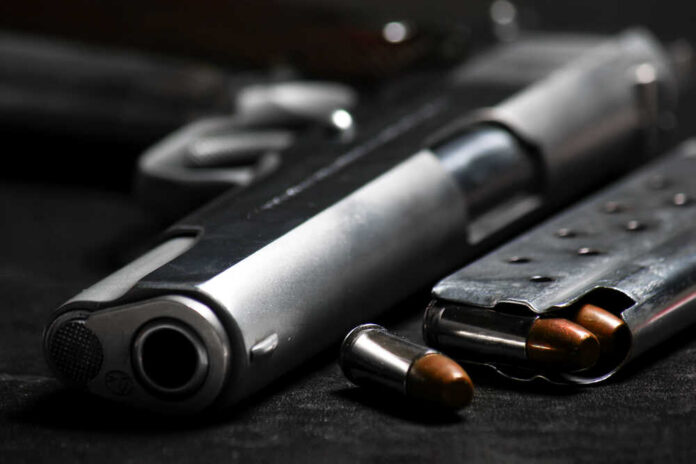
One major flashpoint is the effort to prohibit or sharply restrict certain semi-automatic firearms often labeled “assault weapons” by advocates of tighter laws. Critics argue that definitions can be written broadly enough to capture widely owned, commonly used rifles and standard magazines. That “common use” question matters because modern Second Amendment litigation often turns on whether a regulated item is typically possessed by law-abiding citizens for lawful purposes, not merely on political labels applied to it.
Commentary focused on the impending “assault firearm” ban questioned both the logical structure and constitutional footing of such a prohibition, arguing that it conflicts with the Supreme Court’s emphasis on historical tradition and text-based analysis. While supporters emphasize urgency and prevention, opponents emphasize that bans can be hard to square with the idea that enumerated rights do not disappear when a tool becomes popular. The practical consequence is predictable: a legal showdown over definitions, enforcement, and protected conduct.
Governor Spanberger’s Decision Point and the Likely Court Battle
The NRA’s legislative arm reported that the General Assembly adjourned with multiple anti-gun bills headed to the governor, framing the package as a concentrated attempt to expand restrictions in one session. That matters because bundling policies—rather than debating one narrow change at a time—can multiply compliance burdens on residents and businesses. Once signed, these laws can trigger immediate suits seeking injunctions, particularly if plaintiffs can show irreparable harm to a constitutional right.
Independent coverage of Virginia’s 2026 legislative session emphasized how lawmakers prioritized major policy moves, including high-profile firearm legislation, during a short window. That compressed schedule can leave unresolved questions about implementation, cost, and unintended consequences—issues that typically land on state police, local prosecutors, and the courts. For conservatives wary of government overreach, the biggest concern is not a slogan about “safety,” but whether the state is rewriting lawful ownership into a regulated privilege.
National Political Context: Why Virginia Became a High-Visibility Front
Gun-control groups openly argue that Virginia’s elections and legislative outcomes have national implications, pitching the state as a bellwether for “gun safety” messaging heading into future contests. That framing is political strategy, but it also signals why the fight is so intense: activists on both sides see Virginia as a model to export. If the new restrictions survive court review, other blue-state legislatures may cite Virginia to justify similar bans and limitations.
For now, the key limitation is that publicly provided materials in this research set do not document a specific Trump administration directive or call on Governor Spanberger—only the broader legislative push and the likely legal arguments around it. Readers should watch the governor’s signing decisions, the text of any final “assault firearm” definition, and the first wave of filed complaints. Those details will determine whether Virginia is headed toward narrower enforcement—or a sweeping test case over the Second Amendment’s modern boundaries.
Sources:
Virginia House approves gun control bills over GOP objections
Virginia Legislature Adjourns from 2026 Session; Anti-Gun Bills on Governor’s Desk
The 10 most important things that happened in Virginia’s 2026 legislative session
Virginia Senate panel advances gun safety bills once vetoed by Youngkin
What the Virginia Elections Mean for Gun Safety and the 2026 Midterms
Virginia’s Impending “Assault Firearm” Ban Is Logically and Constitutionally Dubious