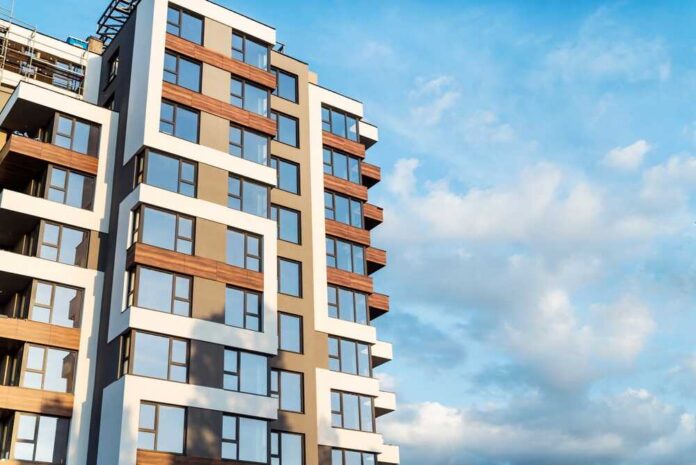
Condo owners across America face massive wealth erosion as prices plummet in 2026, exposing the folly of overbuilt urban density and investor greed that sidelined family-friendly single homes.
Story Snapshot
- National condo prices decline amid high rates, soaring insurance, and oversupply, weakest segment in over a decade.
- December 2025 pending sales dropped 9.3% to all-time lows; Florida condos down 9.9% per analysts.
- Aging buildings trigger billion-dollar repair assessments, crushing affordability for middle-class owners.
- Trump policies target Wall Street investors, boosting first-time single-family buyers over condo speculators.
Condo Market Hits Decade-Low Amid Multiple Pressures
National condo prices slip in early 2026 due to high mortgage rates climbing from 3% to over 7%, doubled seller-buyer ratios, and 37% more sellers since late 2024. Association fees spike 20-50% following 2021 Surfside collapse and Florida’s SB 4-D safety laws mandating inspections and reserves. Insurance premiums surge 40-300% in Sunbelt states from hurricanes and litigation. These factors create condo vulnerability at the intersection of aging infrastructure and luxury oversupply, unlike resilient single-family markets.
Florida and Coastal Cities Lead the Decline
Miami sees inventory surges from new towers and 9.9% value drops, per analyst Nick Gerli, as insurance shocks and fees crush demand. San Francisco offers concessions amid fading tech demand and softening rents. New York and Manhattan report longer days-on-market, price cuts, and relisted units in a buyer-favorable shift. Texas, Colorado, Oregon, and California face investor squeezes with rising underwater units. NAR’s January 21, 2026 report confirms December 2025’s 9.3% pending sales plunge and 16.3% cancellation rates across regions.
Stakeholders Grapple with Fallout from Oversupply
Homeowners and condo associations shoulder rising fees for repairs in 30-50-year-old buildings, with some facing over $1 billion in costs, limiting affordability and sparking internal conflicts. Developers and investors like BlackRock-linked firms confront unsold luxury units and forced price cuts after betting on endless urban demand. Builders such as D.R. Horton slash prices, losing pricing power, while insurers withdraw from high-risk areas. Trump Administration policies counter Wall Street investor dominance to favor first-time buyers.
Short-Term Gains, Long-Term Wealth Risks Emerge
Buyers leverage price cuts for deals, but existing owners endure equity losses, forced sales, and foreclosures, especially in Florida with billion-dollar assessments. Urban millennials and investors lose rental cash flow, leading to distress sales and potential abandoned buildings. An 18-year real estate cycle may peak in 2026, eroding wealth for the bottom 50% whose net worth ties heavily to property. Reduced liquidity ripples to construction jobs; inequality widens as homeownership delays for families.
Expert Warnings Signal Fragile Recovery Path
Lawrence Yun of NAR states low inventory dampens enthusiasm despite some closings, warning the market remains unrecovered. Nick Gerli highlights Florida’s demand crush from fees and insurance. Redfin data shows condos as the weakest housing link with high cancellations. IndexBox notes early sales and price recovery signs countering crash fears, while cycle theorists align downturn with 2026 peak. Single-family resilience and policy aids offer optimism amid condo-specific slumps.
Sources:
Why the entire U.S. housing market could collapse in 2026
Condo Market Shows Early Signs of Recovery After Prolonged Downturn
Can Florida’s crisis-struck condo market turn the corner in 2026?