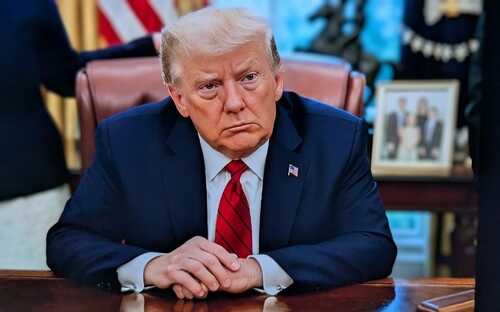
A new withdrawal from the UN by Trump highlights the administration’s stance against perceived global reparations agendas, aligning with conservative values.
Story Highlights
- The Trump administration withdrew from the UN’s Durban-based anti-racism process.
- The move was criticized for promoting a “global reparations agenda.”
- Trump’s actions reflect a broader disengagement from multilateral human-rights bodies.
- The withdrawal aligns with arguments against the UN’s historical justice frameworks.
Trump Administration’s Withdrawal from UN Forum
The Trump administration’s decision to exit the UN’s Durban-based anti-racism process underscores its long-standing disapproval of the forum’s perceived anti-Israel bias and agenda for global reparations. This withdrawal is a continuation of Trump’s pattern of distancing the U.S. from multilateral human-rights bodies that are viewed as undermining American sovereignty and promoting policies contrary to conservative values.
The administration labeled the forum’s agenda as racist, particularly in the context of reparations for slavery and colonialism, which it argued were unjustly targeting the U.S. and its allies. This decision reflects the administration’s commitment to protecting national interests and defending allies like Israel from what it sees as unfair censure.Such actions are in line with previous U.S. administrations that have also expressed discomfort with the Durban framework. Both the Bush and Obama administrations had raised similar concerns, with the latter opting out of significant Durban-related events. Trump’s move, however, takes a more definitive stance by formally withdrawing from participation, signaling a shift in U.S. diplomatic strategy towards these forums.
Trump pulls US out of ‘racist’ UN forum that pushed ‘global reparations agenda’ https://t.co/XwvlfXeCpE pic.twitter.com/tJ8R2TrP91
— New York Post (@nypost) January 7, 2026
Repercussions and Global Reactions
Trump’s withdrawal from the UN forum has sparked a spectrum of reactions internationally. Critics argue that the move undermines global efforts to address racial injustices and reparations for historical wrongs. However, supporters, particularly within the conservative sphere, view the withdrawal as a necessary step to protect U.S. interests from being entangled in what they perceive as a biased and financially burdensome international agenda.
This withdrawal resonates with a broader conservative narrative of skepticism towards globalism and multilateral institutions that are seen as encroaching upon national sovereignty. As a result, the decision has found support among those who prioritize protecting traditional national interests over engaging in international frameworks that may impose external demands on the U.S. government and its citizens.
Long-term Implications for U.S. Foreign Policy
In the long term, the U.S.’s disengagement from the Durban process may have significant implications for its foreign policy and international standing. By distancing itself from these forums, the U.S. risks diminishing its influence in shaping global human rights agendas. However, backers of the move argue that it allows the U.S. to reclaim autonomy over its racial justice policies without external pressures.
As the global reparations agenda advances, the U.S. may continue to face challenges in balancing its domestic priorities with international expectations. Nonetheless, Trump’s decisive actions reflect a clear stance on maintaining national sovereignty and resisting agendas that are perceived as undermining traditional American values and interests.
Sources:
Howard University – UN Permanent Forum