Ukraine’s president denied any persecution of Christians while defending a law that can shut down churches tied to Moscow — a clash that puts faith and free worship on the line.
Story Snapshot
- Zelensky said Ukraine is “very free” on religion and rejected claims of Christian persecution.
- He challenged Tucker Carlson’s basis for alleging raids and church seizures in Ukraine.
- United Nations experts warned a 2024 law could dissolve churches linked to Moscow and restrict worship.
- Zelensky cited Russian attacks on clergy and religious sites to justify tighter security steps.
Zelensky’s On-Record Denial And His Case Against Critics
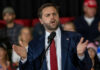
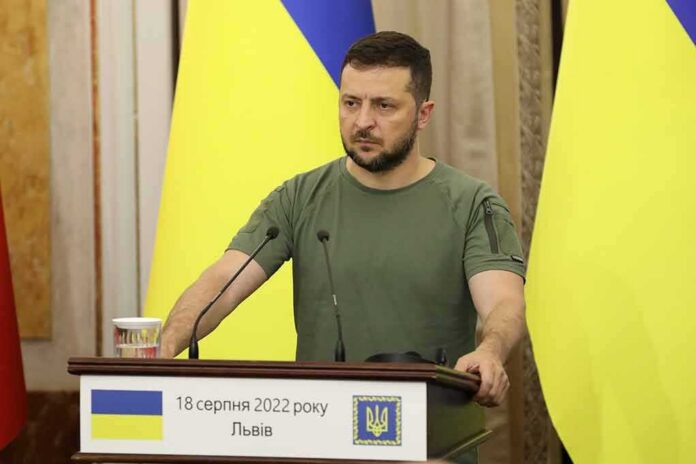
Ukrainian President Volodymyr Zelensky told Christian radio host Tony Perkins that Ukraine is “very free” on religion and denied claims that Christians are being persecuted. He argued that some American commentators, including Tucker Carlson, speak without firsthand knowledge of conditions in Ukraine. He asked how people who have not been there can judge the situation for religious communities. His remarks came in an October 2026 interview focused on faith and wartime policy.
Zelensky also said Russian forces have killed about 120 clergy members and damaged or destroyed more than 800 religious sites since the wider war began. He framed these attacks as intentional and part of Russia’s campaign against Ukraine. Independent outlets in Kyiv reported his numbers, and his claim mirrors wartime reports that churches and clergy have suffered under Russian strikes. The emphasis supports his argument that Ukraine faces a ruthless enemy, not a dispute with faith itself.
The Law At The Center: Security Rationale Versus Worship Rights
Ukraine’s parliament passed a 2024 measure that restricts or enables dissolution of religious bodies linked to Russia’s church leadership. Supporters say the law targets foreign influence during war. Critics say it burdens one Christian denomination and risks collective punishment. United Nations monitors documented violence between Orthodox groups and flagged weak police responses. Later, United Nations experts warned that the new law could authorize dissolving organizations and limit worship, raising serious liberty concerns.
The U.S. government’s 2024 human rights reporting on Ukraine chronicled the war’s strain on civil life, including religious tensions. While it recognized national security pressures, it also tracked rights risks that arise when the state regulates faith groups. The core legal test is clear: any restriction must be lawful, necessary, and proportionate, and must target harmful conduct, not belief. That line matters in war because emergency rules can outlast the crisis.
Carlson’s Allegations And What The Record Shows
Tucker Carlson has asserted that Ukrainian authorities seized churches, removed priests, and beat parishioners, calling it a government campaign against the Ukrainian Orthodox Church. He also said authorities raided convents and “effectively banned” the church’s primacy. These claims drew wide notice among American conservatives. They also raised a factual challenge to Zelensky’s sweeping denial, because the claims describe concrete actions, not just policy debates.
However, the public record remains mixed. Zelensky’s denial is clear but broad. Carlson’s charges are specific but rely heavily on interviews and advocacy, including figures aligned with the Ukrainian Orthodox Church. United Nations material and rights reporting confirm real restrictions and risks tied to the 2024 law, yet they stop short of proving a blanket persecution policy. The strongest next step would be transparent case files showing charges based on espionage or incitement, not faith.
What Matters For U.S. Policy And People Of Faith
American conservatives back religious freedom and the right to worship without fear. They also expect allies to meet that standard while fighting enemies abroad. The path forward is practical: track each clergy or property case, publish warrants and rulings when safe, and let courts, not security agencies alone, draw lines. If Ukraine proves actions targeted conduct tied to Russia, support will hold. If not, calls for conditions on aid will grow louder.
Sources:
twitchy.com, christianpost.com, barrettmedia.com, state.gov, mediaite.com, media.un.org, nationalreview.com, newsweek.com