Marco Rubio reportedly stopped Pete Hegseth from pushing a bigger troop pullback in Europe, turning a fast-cut story into a slower review.
Quick Take
- Reports say Rubio blocked Hegseth’s plan to announce deeper troop cuts before NATO saw it.
- Hegseth still launched a six-month review of United States force levels in Europe.
- Public reporting also says some personnel moves and canceled deployments were already underway.
- The fight shows how force posture shifts can be slowed by internal administration checks.
Rubio Draws the Line on Europe Cuts
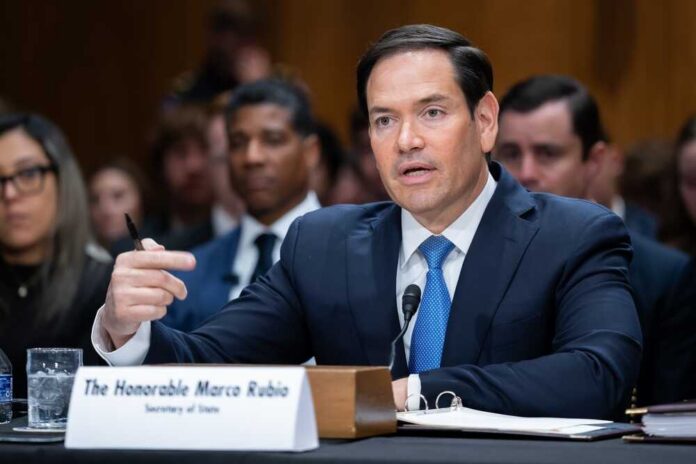
Marco Rubio ended up as the brake on a plan that could have sent a sharper signal to allies. Multiple reports say senior officials, including Rubio, rejected Pete Hegseth’s push to announce additional troop cuts in Europe before NATO meetings could lock in the message. That pushed the Pentagon toward a broader review instead of a clean, immediate drawdown, which matters for anyone watching how this administration handles American strength overseas.
Rubio’s public comments also fit the slower, more controlled approach. He said the United States would reduce its military footprint in Europe over time, not overnight, and tied any change to coordination with allies. That lines up with Hegseth’s own six-month review, which was described as a formal look at force posture, basing, and allied burden-sharing rather than an instant retreat. For conservatives who want order and clear chain of command, the internal check on Hegseth is the main story here.
What Hegseth Announced Anyway
Hegseth still used the NATO setting to warn that Europe must carry more of its own defense load. Reuters reported that he announced a six-month review and criticized some allies while saying troop levels and base locations could change if spending targets are not met. The Economic Times transcript of his remarks says the review will include the United States military, European Command, Congress, and allies, which makes it clear this was a process launch, not a finished order.
Other reporting shows the Pentagon had already taken smaller steps. CNN International said Hegseth canceled two planned deployments to Europe and ordered other personnel removed from the continent. Military Times also reported that the United States was withdrawing 5,000 troops from Europe and ending a planned long-range fires battalion deployment, while additional small shifts remained under review. That is real movement, but it is still more measured than the loudest version of the story.
The Stakes for NATO and the Home Front
The dispute matters because United States troop levels in Europe shape deterrence, alliance trust, and American leverage. Reuters said NATO officials were already discussing the force model that decides which troops are available in a crisis, and that Washington’s message was that Europe must shoulder more of the burden. Military sources also told Reuters that the reductions touched key air and naval assets, showing that the debate is not only about numbers on paper.
Senior Trump officials, including Secretary of State Marco Rubio, blocked Defense Secretary Pete Hegseth from announcing major U.S. troop cuts in Europe at last month's NATO meeting. Hegseth instead announced a six-month review of U.S. force levels in Europe.
— Open Source Intel (@Osint613) July 3, 2026
At the same time, the reports leave room for caution. Politico said some Pentagon officials were stunned by earlier troop decisions, which suggests the planning process has not been smooth. But the stronger factual point is that the administration is not speaking with one voice on Europe, and that creates confusion for allies and for Americans who expect clear direction from their leaders. If Rubio blocked a bigger cut, it likely reflects a fight over timing, readiness, and political control rather than a total reversal.
Sources:
mediaite.com, legion.org, reuters.com, facebook.com, openthemagazine.com, youtube.com