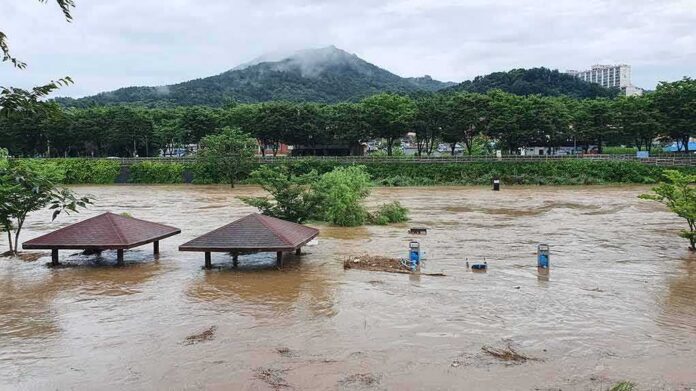
Bangkok declared all 50 districts a disaster zone after nearly 300 millimeters of rain in two days flooded major roads and neighborhoods.
Story Highlights
- Bangkok’s governor declared the entire capital a disaster-affected area after days of torrential rain.
- Nearly 300 millimeters of rain in 48 hours swamped roads and left cars partly underwater.
- Officials worked to pump canals and warned of more storms over the weekend.
- Citywide disaster status unlocked emergency powers to move resources faster.
Declaration Covers All Districts After Torrential Downpour
Bangkok authorities declared the capital a disaster-affected zone on Saturday after relentless rain flooded streets, homes, and key routes across the city. The Bangkok Metropolitan Administration said the downpour reached nearly 300 millimeters over 48 hours, overwhelming drains and turning roads into rivers. The governor said the situation posed risks to life and property and required a citywide response. Officials also warned that weekend storms could add to the strain, making swift drainage and traffic control urgent priorities.
The disaster designation allowed agencies to mobilize crews, equipment, and funds without normal red tape. Local organizations gained authority to act across districts, from operating extra pumps to setting up shelters and clearing blocked canals. City teams focused first on the hardest-hit eastern areas, where standing water disrupted commutes and delivery routes. Footage showed vehicles stalled and some partly submerged at major intersections. Officials urged people to avoid flooded zones and to use caution around fast-moving water and open manholes.
Drainage Push Aims to Reopen Roads and Protect Homes
City workers raced to pump water from canals and low-lying streets to bring levels down as new showers approached. Crews cleared debris from storm grates and canal chokepoints to speed the flow. Traffic police managed reroutes to keep buses, ambulances, and supply trucks moving. The governor said water would recede when the rain eased, but teams would keep round-the-clock shifts until key arteries reopened and neighborhoods were safe to enter again. Officials also monitored power stations and transit hubs for flood risks.
Authorities said the emergency status would remain until drains and canals handled the backlog and forecasts improved. The focus included protecting hospitals, schools, and markets that serve dense communities. Operators checked lift stations and backup power at treatment plants to avoid secondary health hazards. The city advised residents to keep electronics unplugged in flooded rooms, to boil tap water if quality was in doubt, and to watch for electrical hazards. High-water vehicles helped move people needing medical care or urgent supplies.
Why Bangkok Is Vulnerable and What Comes Next
Bangkok sits on a low delta with many canals and soft ground, which makes heavy monsoon rain a serious test every year. Rapid growth and paved surfaces add runoff that drains more slowly. When intense rain hits over a short period, pumps and canals can fall behind, and water can back up into roads and homes. That is why leaders use formal disaster status in big storms: it signals risk, speeds decisions, and moves people and gear where they are needed most across district lines.
Bangkok: the governor declared all 50 districts a disaster zone after ~300mm of rain — streets became rivers, cars underwater, waist-deep flooding. Rescue crews out in boats; rain ongoing. Are you seeing this? Music: 'Aces-High' by Kevin MacLeod (CC BY 4.0) #Bangkok #Thailand… pic.twitter.com/coCqpE2MPU
— Talking Shit From The Sauna (@talkingshitfrom) September 28, 2026
This flood follows a familiar pattern seen during past Thai flood crises, though this event is centered on fast urban runoff rather than months-long river overflow. Officials said the city stabilized by Saturday afternoon in some districts, but teams stayed on alert for renewed downpours that could refill flooded areas. The goal is to drain priority roads within days once rain slows, then inspect damaged surfaces, clear silt, and repair pump stations. Weather agencies continued to track storm cells that could shift conditions quickly.
What Travelers and Supply Chains Should Know
Travelers faced detours as crews worked around flooded corridors. Some vehicles stalled in deeper spots, and tow operations slowed traffic further. People moving goods into the city adjusted timing to off-peak hours and used alternate routes shared by traffic police. Officials emphasized that flood depth can hide potholes or open covers. Drivers were told to avoid wake that pushes water into homes and shops. As levels fall, cleanup will include removing debris and checking building foundations exposed to long soaking.
Businesses focused on keeping food, fuel, and medicine flowing to neighborhoods cut off by pooled water. Delivery hubs staged vans near high ground and shifted to handcarts where streets stayed wet. Residents were encouraged to document damage for local claims once district centers reopened. The city’s hotline provided updates on pump operations, blocked lanes, and relief points. Leaders pledged to review storm data, canal upgrades, and zoning pressure after drains return to normal, aiming to reduce repeat trouble when the next monsoon surge hits.
Sources:
youtube.com, reuters.com, independent.co.uk