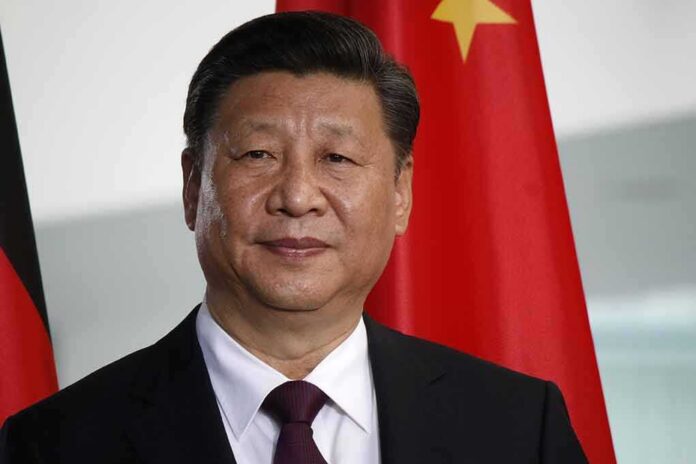
U.S. and Chinese officials extended their tariff truce to January 10 as President Trump met Xi Jinping in Washington, keeping pressure on Beijing while avoiding new shocks to American families and businesses.
Story Highlights
- Treasury Secretary Scott Bessent said the trade truce now runs through January 10.
- The announcement came as Xi arrived in Washington for talks with President Trump.
- The extension buys time to work on a larger deal without fresh tariff hikes.
- The original one-year “Busan” truce had been set to expire November 10.
What Was Decided And When
U.S. Treasury Secretary Scott Bessent said Wednesday that the United States and China agreed to extend their trade truce by two months, moving the deadline to January 10. He made the announcement in a television interview as the Trump-Xi summit got underway. This extension pauses new tariff moves while talks continue. It keeps the current tariff détente in place during the holidays, when price spikes hit families hardest.
The timing underscored the stakes. Reports said the news broke shortly after Chinese leader Xi Jinping arrived in Washington for meetings with President Trump. The White House welcome signaled both strength and openness to a fair deal. It also told markets that Washington will hold the line while talks press ahead. The extension does not end the dispute; it simply carries the existing terms to early January.
How This Fits The Bigger U.S.-China Trade Picture
The truce traces back to the “Busan” understanding reached last year. That one-year pause helped cool a heated tariff fight and reduced immediate cost pressure on U.S. importers and consumers. It was set to expire on November 10 unless both sides renewed it. By extending the deadline, negotiators get more time to chase a broader package while keeping leverage on the table for Washington.
This pattern is familiar in U.S.-China talks: use deadlines, keep tariffs and export rules as leverage, and extend when needed to aim for better terms. Bessent had earlier said the administration was open to an extension or a bigger deal, depending on progress. The fresh two-month window fits that approach. It gives space to press Beijing on market access, fair play, and reliable supplies without fresh shocks to American producers.
What It Means For American Families And Businesses
For shoppers, the extension helps steady prices heading into the holidays. For small businesses and farms, it offers breathing room on input costs and export plans. For energy, tech, and manufacturing, it keeps supply chains from another sudden jolt. At the same time, it keeps pressure on China to meet fair terms, since the next deadline is close and the United States can still move if talks stall.
Part 2 on Trump–Xi: the truce extension is two months, to Jan. 10, and nothing has been filed yet. China is off until Sept. 28 and off again Oct. 1–7, which leaves MOFCOM three working days to match its Busan pace. $AXTI $LRCX $AMAT $KLAC https://t.co/G1WRRfIBvz
— Schulz Duggan (@Schulz_Research) September 25, 2026
Conservatives want clarity and strength. This step aims at both. The Trump administration holds tariffs as a tool but avoids needless harm to American families this quarter. It also keeps focus on core issues that matter at home: ending unfair trade, stopping intellectual property abuse, and securing critical inputs. The extension is not a final deal. It is a tactical pause that protects Americans now while Washington pushes for a better, cleaner, America-first agreement.
What To Watch Before January 10
Watch whether Beijing offers concrete steps on market access, enforcement, and purchases of U.S. goods. Look for progress on rules that protect American know-how and stop forced tech transfers. Track any movement on tariffs for noncritical products, which Bessent said have been under discussion ahead of the summit. Real wins will show up in clear terms, not slogans, and will lock in benefits for U.S. workers and families.
If talks deliver a larger package, the next months could bring a cleaner path for exporters, better price stability, and firmer protections for American industry. If not, the January 10 deadline restores full leverage for Washington. For now, the choice is smart: hold the line, keep families from new hits, and force Beijing back to the table under a firm clock. That is how you defend American jobs and grow our economy on our terms.
🇺🇸🇨🇳 TRUMP–XI TALKS ADD ANOTHER MARKET VARIABLE
US–China discussions are taking place against a backdrop of:
🇮🇷 US–Iran tensions
🛢️ Oil above $100
📈 Elevated Treasury yields
🤖 Continued AI investment
💵 Shifting Fed rate expectationsReuters reports the US-China economic…
— Trade Pulse (@TradePulseLabs) September 25, 2026
Sources:
pjmedia.com, nytimes.com, thehill.com, nypost.com, reuters.com