A new bipartisan bill could finally let everyday Americans hit back when federal officials secretly bully tech companies into censoring their speech.
Story Snapshot
- The JAWBONE Act targets back‑room federal pressure on broadcasters, social media, and AI firms to silence lawful speech.
- The bill creates a direct right to sue federal agencies and employees for censorship-by-proxy, even if the censorship fails.
- It forces new transparency by requiring public reporting of key contacts between Washington and major platforms.
- Unusual allies, from conservatives to the American Civil Liberties Union, are backing the bill as a First Amendment fix.
What the JAWBONE Act Does and Why It Matters to Free Speech
For years, many readers have watched their posts vanish, their accounts throttled, and their questions on elections or public health treated as “dangerous,” even when they broke no law. Supporters say the JAWBONE Act goes after one big reason why. The bill takes aim at “jawboning,” where federal officials lean on private companies behind the scenes to remove or down-rank lawful speech they dislike, instead of banning it outright themselves.[7]
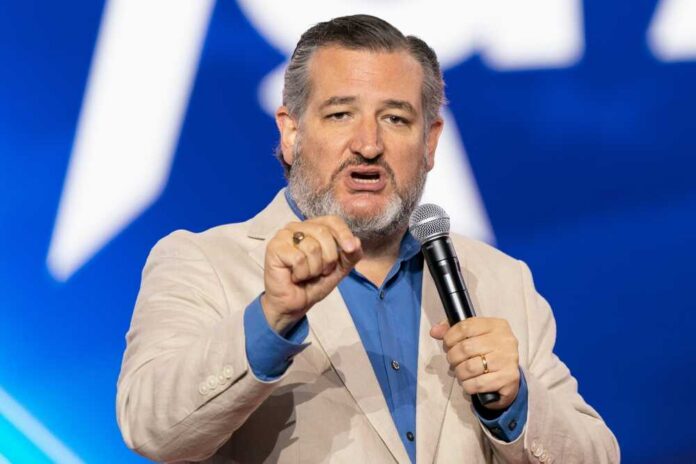
Senators Ted Cruz of Texas and Ron Wyden of Oregon wrote the bill to make that kind of back‑door censorship costly for Washington.[7] The act creates a clear cause of action against any federal agency or employee who pressures companies involved in social media, broadcasting, or artificial intelligence to censor protected speech, even if the company never follows through.[7] That means the illegal act is the government threat itself, not only the final takedown. Plaintiffs could ask a court for money damages and attorney fees.[5]
How the Bill Lets Americans Fight Back Against Censorship-by-Proxy
Under today’s law, it is very hard to sue over jawboning. Many First Amendment suits focus on direct government rules, not phone calls, emails, or public threats that push companies to “voluntarily” police speech.[3] The JAWBONE Act tries to fix that. It lets victims sue federal agencies and officials directly when they coerce platforms, broadcasters, or AI providers into suppressing lawful speech, and it covers both successful and attempted coercion.[3] This targets the chilling effect that comes the moment an official uses their power to intimidate.
Groups focused on civil liberties and taxpayer rights say this new tool is overdue. The Foundation for Individual Rights and Expression notes that the bill would let Americans sue when federal officials strong-arm social media companies, AI platforms, or broadcasters to remove protected speech, and even makes officials personally pay when they act “willfully and wantonly.”[8] Americans for Tax Reform argues the bill would finally give regular citizens real recourse when government officials bully private companies into silencing speech they dislike, changing the incentives inside the bureaucracy.[6]
Transparency, Carveouts, and Concerns About Government Overreach
Beyond lawsuits, the bill shines light on a process that has mostly happened in secret. Federal agencies would have to log and submit certain communications with social media companies, AI firms, and broadcasters to a public portal, with full access for Congress.[7] That means Americans, not just insiders, could see when Washington leans on platforms over lawful content. Supporters say this kind of sunlight makes it harder for any administration to quietly outsource censorship while denying it in public.[3]
Senators Ted Cruz and Ron Wyden try to fight censorship with bipartisan JAWBONE Act, a proposed law that could fuel lawsuits against federal officials who try to coerce broadcasters or tech platforms into restricting speech. https://t.co/LR0LipGLuy
— Rilwan Balogun (@KPRC2Rilwan) June 13, 2026
The bill also tries to draw a line between unlawful coercion and real law enforcement. It contains exceptions for government action taken as part of lawful criminal or civil investigations, so long as those actions do not violate the First Amendment.[7][3] Some legal analysts warn that the hardest cases will still be those gray areas where “guidance” from regulators feels like a threat, but falls inside these carveouts. They argue that courts will still need to decide when firm advice turns into unconstitutional pressure.
Why Even the ACLU Is Backing This Bipartisan Push
One striking detail is who is lining up behind the JAWBONE Act. Alongside conservative policy groups, the American Civil Liberties Union has endorsed the bill, saying it would stop the federal government from coercing broadcasters, AI companies, and online platforms into censoring their own speech or user speech.[10] The group’s policy counsel said the government has “time and time again” abused its authority in this way and called the legislation “critical” to protect freedom of speech, the press, and even satire online.[10]
This unusual alliance highlights how jawboning threatens everyone, not just one party’s voters. Because most modern speech now travels through a few large platforms, those companies are easy targets for quiet pressure from regulators, grant-makers, and licensing bodies.[5] Supporters say that in an age of “disinformation” panic and growing bureaucracy, it is not enough to trust officials to police themselves. They see the JAWBONE Act as a needed step to defend the First Amendment, no matter who sits in the White House.
Sources:
[3] Web – Two senators offer a bipartisan solution to censorship by proxy
[5] Web – Knight Institute Endorses Bipartisan Bill to Protect Against …
[6] Web – ACLU Endorses Bipartisan JAWBONE Act To Protect Free Speech
[7] Web – The JAWBONE Act Would Finally Make Government Pay for Bullying …
[8] Web – NetChoice Applauds Sens. Cruz and Wyden for Introducing the …
[10] Web – The JAWBONE Act Would Create A Strong Remedy Against …