As California’s election results once again drag on for days, even Democrats are quietly admitting the state’s vote-counting mess is becoming a national embarrassment.
Story Snapshot
- California’s primary results are still incomplete days or even weeks after Election Day, fueling doubts and anger.[2][9]
- State rules that allow late-arriving mail ballots, long cure windows, and heavy mail voting keep stretching the count.[2][9]
- Democrats and election officials defend the delay as “working as intended,” while critics say it erodes trust.[2][7][9]
- Conservatives argue slow, opaque counting in a mega-state like California warps campaign narratives and feeds suspicion.[2][5]
California’s Slow Counts Are Now a Political Problem for Democrats
Days after California’s 2026 primary, millions of ballots were still being processed, leaving voters yet again waiting for answers in key races.[2][9] Public television reporting described Californians in a “familiar position” of staring at incomplete results long after other states had moved on.[2] Nonprofit election outlet Votebeat said close contests could still take weeks to settle because so many late-arriving and mail ballots must be verified.[9] For a state that loves to brag about being “forward-looking,” this has become a recurring credibility problem.
Democrats once shrugged off complaints as sour grapes, but that is getting harder.[7] California Democrats themselves have called the count a “national embarrassment” in past cycles as headlines focus on delays instead of results.[7] Now national Democrats are openly worried that slow counts in a huge blue state give conservatives endless material to question the fairness of the process.[2][5] When ballots are still being tallied while campaign ads and online narratives spin unchecked, the party that controls the system owns the fallout.
The Rules That Keep California Counting for Days
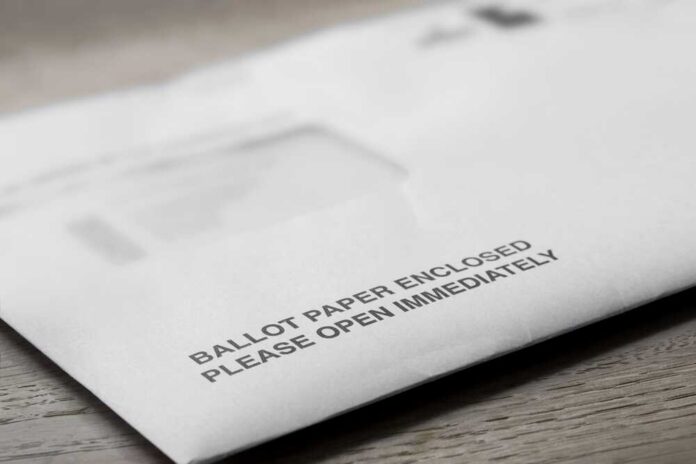
California’s leaders insist there is nothing wrong, only a system built for “access” and “accuracy” instead of speed.[2][9] State law mails a ballot to every active registered voter and lets those ballots be counted if they are postmarked by Election Day and arrive up to a week later.[2][9] That means the count has barely begun when polls close. Workers must first verify the authenticity of those late-arriving envelopes and compare signatures before any of those votes can be added to the totals.[2][9]
Governor Gavin Newsom signed a law last year that shortened the official counting period from 30 days to 13, but county officials still have 30 days to finalize and certify their local results.[2][4] News outlets note that this change may speed some reporting, but it does not remove the built-in lag caused by huge mail volume and post–Election Day arrivals.[2][4][9] Votebeat explained that millions of voters now choose to hold onto their ballots until the last minute or drop them off at vote centers, dumping a mountain of envelopes on county staff right at the finish line.[9]
How Mail Voting, Verification, and Late Ballots Feed Suspicion
Election officials stress that this slow process is about protecting every lawful vote, not rigging results.[2][3][9] They highlight signature verification, cure processes for mismatched signatures, and strict chain-of-custody rules as safeguards that naturally take time.[2][9] In many cases, voters get more than a week after Election Day to fix problems, so their ballots enter the count late.[2][9] Officials and allied media say critics should “tune down eagerness” for instant results and simply trust the system.[7][9]
Conservatives see something very different. They point out that late-counted ballots tend to favor Democrats, meaning key races often shift toward the left as new mail batches roll in.[9] While investigations have not proven large-scale fraud, federal officials have looked into specific complaints and irregular claims. In at least one case, the United States Attorney’s office reviewed county records to debunk a rumor that a ballot update had dropped votes for a Republican candidate. Those corrections prove how messy the information environment becomes when results dribble out over many days instead of being settled quickly.
Why a Slow California Count Matters Nationally
California is not a small swing state on the margins; it is the largest state in the country and sends a huge delegation to Congress.[4][8] Reports note that Los Angeles County alone can process more mail ballots than some entire states handle in total.[9] When its big races, like governor or major city mayor contests, remain uncalled for a week or more, the delay shapes national coverage and public opinion.[2][3] Meanwhile, states like Florida and Texas often report clear outcomes the same night or next morning, making California look broken by comparison.[9]
Under-the-radar Supreme Court case could end California’s delayed election counts for good
A pending case at the US Supreme Court could put an end to delayed ballot counts — like in the recent Los Angeles mayor’s race in California — that have caused voters to lose confidence…
— News News News (@NewsNew97351204) June 8, 2026
This pattern has real political costs. Campaigns must decide how to message when early returns show one picture and late ballots could flip the story.[5] Voters who went to bed thinking one candidate was ahead may wake up days later to see the lead reversed after another batch of mail ballots is counted.[5] Without strong, shared data on processing times, rejection rates, and cure numbers, critics and defenders end up trading talking points instead of facts.[9] That vacuum breeds doubt, especially among Americans who already distrust powerful blue-state machines.
Sources:
[2] Web – California’s slow ballot count makes it a target for critics. It …
[3] Web – Why California election results may still take weeks – CalMatters
[4] YouTube – California election delays draw scrutiny as leaders stress ‘system is …
[5] Web – Here’s why California’s election results take time – Votebeat
[7] Web – California’s election count isn’t slow, it’s thorough. Millions of …
[8] Web – California Voting Information – VOTE411
[9] Web – California’s slow vote count faces changes as Supreme Court decision …