ABC’s suspension of Jimmy Kimmel over remarks on Charlie Kirk has ignited fierce debate over free speech and media bias, spotlighting the tensions between corporate interests and constitutional freedoms.
Story Highlights
- Jimmy Kimmel suspended comments on Charlie Kirk’s death, sparking national debate.
- President Trump celebrates suspension, citing Kimmel’s poor ratings and offensive remarks.
- CNN’s Bakari Sellers criticizes Trump, framing the response as an attack on free speech.
- Protests erupt outside Disney studios, highlighting corporate influence over media.
- Legal experts clarify First Amendment implications amid growing political polarization.
Suspension Sparks National Debate
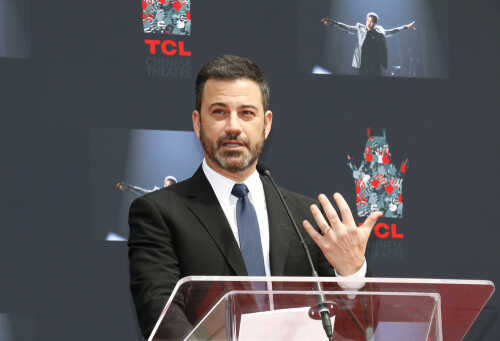
Jimmy Kimmel, the host of “Jimmy Kimmel Live,” faced an indefinite suspension by ABC following his controversial remarks concerning the tragic death of conservative commentator Charlie Kirk. This decision has propelled a heated national conversation about free speech, corporate accountability, and political bias in the media. Kimmel’s suspension has drawn both ire and support, reflecting the deep political divides that characterize the current media landscape.
President Donald Trump didn’t miss the chance to weigh in, publicly celebrating Kimmel’s suspension. Trump attributed the decision to Kimmel’s declining ratings and what he described as offensive comments. Trump’s remarks have been seen as part of his ongoing critique of mainstream media, which he argues is biased against conservative viewpoints. This incident further underscores Trump’s influence over public discourse and his ability to leverage media controversies for political gain.
Media and Public Reactions
The reaction from media figures has been polarized. CNN commentator Bakari Sellers criticized Trump’s response, interpreting it as an attack on free expression. Sellers’ comments highlight the broader concerns about media censorship and the boundaries of political speech in today’s politically charged environment. This debate brings to the forefront the challenges media companies face in balancing free expression with corporate responsibilities and audience sensitivities.
Protests have erupted outside Disney studios, with demonstrators advocating for free speech and condemning what they view as corporate overreach. The rallying cry of “free speech” resonates strongly with supporters who see Kimmel’s suspension as an infringement on the right to express controversial opinions, even within the comedic context of a late-night show.
Legal and Constitutional Considerations
Legal experts have weighed in on the matter, clarifying that ABC’s suspension of Kimmel does not constitute a First Amendment issue unless government coercion is involved. The First Amendment protects against government restrictions on speech, not actions taken by private companies. This distinction is crucial in understanding the legal and ethical dimensions of the incident. As the debate continues, the implications for free speech in the media and the role of corporate decision-making remain at the forefront of public discourse.
With Kimmel’s contract set to expire in May 2026, the future of his show remains uncertain. The ongoing protests and media debates highlight the precarious balance media outlets must maintain between exercising editorial independence and adhering to corporate values. As this story unfolds, it serves as a potent reminder of the complexities involved in navigating the intersection of media, politics, and free speech.