Two foreign nationals working at a federal lab are charged with smuggling mpox samples into the U.S., raising hard biosecurity and trust questions.
Story Snapshot
- Federal complaint names two National Institutes of Health researchers tied to alleged mpox smuggling [5].
- Officers in Detroit reportedly found 113 vials, including deactivated mpox, after a flight from the Republic of Congo [3].
- Prosecutors say the men denied carrying biological materials and lacked required authorization [3].
- The case is at the complaint stage; facts remain allegations and some details are unclear.
Who Was Charged And What Prosecutors Allege
Federal prosecutors in Detroit unsealed a criminal complaint accusing two foreign nationals who work at National Institutes of Health Rocky Mountain Laboratories in Montana. Reports identify the men as Vincent Munster, 53, and a colleague reported as Claude Kwe or similar spellings, and say they face conspiracy to smuggle and false statement counts tied to mpox samples [5]. The U.S. Attorney’s Office for the Eastern District of Michigan brought the case, which remains an allegation, not a conviction at this stage [5].
Prosecutors say the pair landed at Detroit Metropolitan Airport on January 25 after traveling from the Republic of Congo during an active mpox outbreak. Customs officers questioned them about a black case. The men allegedly claimed it held testing or lab equipment, not biological materials. Investigators later opened the case and found foam coolers with sealed vials. That inspection triggered further testing and a federal probe [3][5][6].
What Investigators Say They Found In The Vials
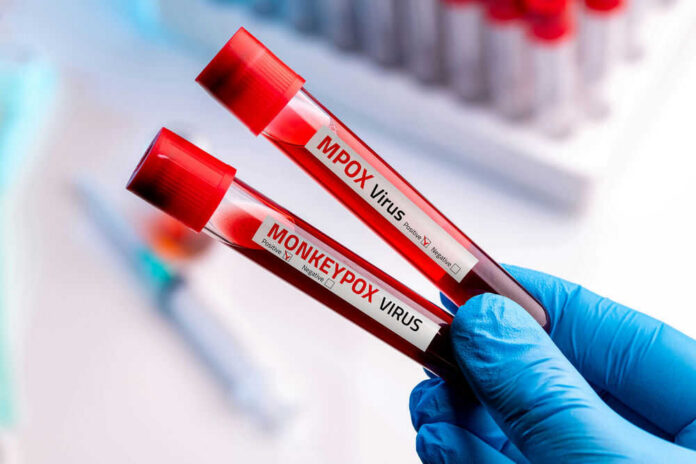
Investigators reportedly counted 113 vials inside the case. Federal Bureau of Investigation testing found deactivated mpox virus in several, with some reports citing 17 vials. Media summaries also say other vials contained chickenpox virus and two contained human DNA. Prosecutors argue the range of materials supports concealment and that the travelers denied transporting biological samples during entry screening [3][5][6]. Each of these points remains an allegation drawn from the complaint reporting.
Public health voices in the coverage stressed the mpox material was inactivated. One report quoted a health official saying the virus was not transmissible to the public. That narrows the immediate biosafety risk, but does not resolve customs law or import rules. Prosecutors still claim the materials were not authorized for import and that proper declarations and permissions were missing during entry [6][3]. The complaint’s exact language was not visible in the reports cited.
Why This Matters For Biosecurity And Public Trust
Border officers and the Federal Bureau of Investigation treat undeclared biological materials as a serious risk. Even deactivated samples must follow permits, documentation, and chain-of-custody rules. The government frames this case as smuggling viral material from an outbreak region and lying to officers. That message aims to protect public confidence after years of concern over lab safety and weak oversight. The case also tests whether federal labs enforce the same rules on their own researchers [5][6].
Two NIH scientists in Montana charged with ‘smuggling’ virus
Two researchers at the Rocky Mountain Laboratories accused of conspiracy involving ‘Mpox’ virus, and lying to federal officials
Two scientists with a federal infectious disease research institute in Hamilton are…
— Jim Haslam (@jhas5) June 9, 2026
Key facts remain unclear in the public record. The reports describe a complaint, not an indictment or verdict. They do not include the verbatim false statements, the full chain-of-custody, or any defense explanation for why the samples were moved. Outlets list different spellings for the second scientist’s name. Those gaps matter. They call for patience and full transparency from the National Institutes of Health and the Department of Justice as the case proceeds [3][5][6].
What Conservatives Should Watch Next
Watch for the unsealed complaint and affidavit to post on the court docket. Those filings should show the exact statutes, the alleged lies, and the documentation trail. Look for import permits, shipping forms, and internal approvals from the National Institutes of Health, the Department of Health and Human Services, and the Centers for Disease Control and Prevention. If those do not exist, the smuggling theory grows stronger. If they do, the dispute may hinge on what was declared at the airport [3][5].
Also track whether agencies release an internal safety review and personnel actions. Congress should demand answers on training, travel controls, and sample handling when researchers return from outbreak zones. Americans deserve labs that guard the homeland, not place it at risk. Clear rules, strict compliance, and real accountability protect both public health and liberty. That balance is possible only when facts are verified and consequences follow where the evidence leads [5][6].
Sources:
[3] X – 2 scientists charged with bringing deactivated mpox virus into the …
[5] Web – U.S. lab scientists charged with smuggling deactivated mpox samples
[6] Web – 2 scientists accused of smuggling monkeypox virus into US and …