Taiwan says Chinese coast guard ships used radio calls to hassle passing vessels east of the island, upping gray-zone pressure on a vital sea lane.
Story Snapshot
- Taiwan reported two Chinese coast guard ships patrolling east of Taiwan and monitoring traffic.
- Taiwan called the radio calls “harassment” and a power grab that breaks international law.
- China said the patrols are routine and lawful under its claimed jurisdiction and will continue.
- Activity east of Taiwan has increased since June, showing a steady pattern of pressure.
Taiwan Reports Chinese Patrol and Radio Warnings East of the Island
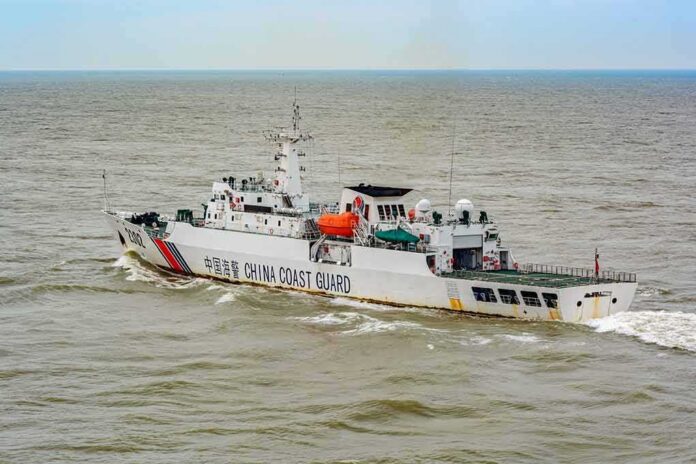
Taiwan’s coast guard said two Chinese coast guard ships patrolled east of Taiwan and used radio messages to challenge ships in the area. Taiwan said it deployed its own vessels to monitor the patrol and track the Chinese ships. Taiwan called the radio traffic an attempt to harass shipping and expand China’s power claims beyond the law. Taiwan’s account did not list specific commercial ships that were delayed or harmed, but it warned that the practice risks regional stability.
Taiwan also laid out its legal stance. The coast guard said Taiwan holds sovereign rights and jurisdiction over its exclusive economic zone east of the island. The agency said China has no jurisdiction in any of Taiwan’s waters. Taiwan media reported that Taiwan used joint intelligence, surveillance, and reconnaissance tools to follow the Chinese ships across the operation, and dispatched the Ji An and other vessels to shadow them. The response aimed to show readiness without sparking a direct clash at sea.
China Frames Patrols as Lawful “Routine” Operations That Will Continue
China offered a very different message. The China Coast Guard said the patrols east of Taiwan are routine law enforcement that follow Chinese and international law. It said the goal is to keep navigation and work at sea in order and to protect lives and property, including people in Taiwan. China’s Foreign Ministry said China has an exclusive economic zone and a continental shelf east of Taiwan and that patrols there are a legitimate use of Chinese jurisdiction.
Chinese statements also suggested the pace will not slow. China said it would keep strengthening patrols in waters under its claimed control. Chinese state and military outlets have described similar patrols since June as part of a normal, ongoing presence. They have linked the missions to fishery protection, rescue tasks, and broader “rights protection” themes that Beijing uses in other disputed waters. That framing seeks to lower political costs while growing control step by step.
Pattern of Gray-Zone Pressure Raises Stakes for Shipping and Allies
Reports in Taiwan said Chinese coast guard activity east of the island has increased since June. That suggests a pattern, not a one-off event. The method fits a gray-zone playbook: use coast guard units and legal language to change facts at sea without crossing the line into open conflict. This creates friction for ship captains, insurers, and planners who need steady routes between Northeast Asia and the Pacific. It also tests how the United States and partners back freedom of navigation.
🌎 Indo-Pacific 24hr Summary | 1 Nov 2026
🇹🇼 Taiwan / South China Sea: Taiwan’s Coast Guard expelled a Chinese coast guard vessel from restricted waters near the Pratas Islands (Dongsha) on Saturday. Ships closed to ~1 nautical mile. Taiwan called it harassment (roughly the…
— The Watch 🇺🇸🌎📡 (@CIC_OS) November 1, 2026
Some limits remain in the public record. Taiwan’s claim of “harassment” relies on its description of radio calls; the full recordings and logs are not public. The incident record does not name a merchant ship that changed course, slowed, or took damage. China’s legal claim also remains contested; there is no neutral ruling shown for the exact area in question. Still, both sides agree the patrols took place, and China says they will continue, which keeps pressure on a key sea lane.
Why This Matters to American Readers
American families depend on safe, reliable shipping for affordable goods and energy. Aggressive gray-zone tactics can raise costs and risk. China’s push to police seas beyond clear, agreed lines should concern anyone who values the rule of law and free commerce. The United States has long backed open sea lanes. President Trump’s team now faces rising tests in the Indo-Pacific as China expands its claims east of Taiwan. Firm, steady policy can deter creeping control without war.
What to Watch Next
Watch for Taiwan to release more data, like radio audio, ship tracks, and time stamps. That could prove the exact conduct and help rally support. Watch if China increases patrol numbers or begins boarding attempts in the same area. Also track insurance rates, reroutes, or delays that would show costs landing on shippers and, in time, consumers. Clear, public facts and steady allied patrols will be key to stop slow-motion erosion of navigation rights.
Sources:
realcleardefense.com, usnews.com, sg.news.yahoo.com, telegraphindia.com, reuters.com, fmprc.gov.cn, eng.mod.gov.cn