Fidel Castro’s daughter warned that New York’s socialist push echoes Cuba’s nightmare, as analysts flag a widening budget gap tied to costly promises.
Story Highlights
- Alina Fernández compared Zohran Mamdani’s rhetoric to Fidel Castro’s, calling it a “worst déjà vu nightmare.”
- Independent Budget Office projects a $1.6 billion city budget gap despite new spending plans.
- Universal childcare and free buses carry multi-billion and near-billion annual price tags.
- Key taxes need state approval, limiting City Hall’s ability to fund the agenda.
Fernández’s Warning And What Sparked It
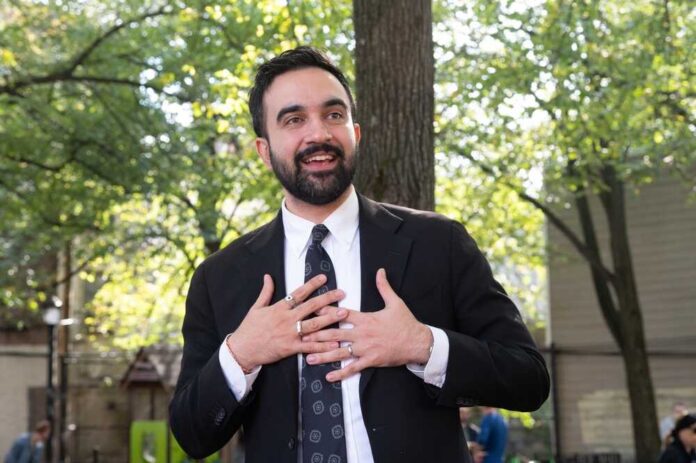
Alina Fernández, Fidel Castro’s daughter, reacted to Mayor Zohran Mamdani’s promises by saying his words sound like her father’s speeches. She called it her “worst déjà vu nightmare,” a stark phrase that hits hard for people who fled socialism’s failures. Her warning followed the mayor’s push for rent freezes, free buses, and universal childcare. Those programs aim to lower household costs, but they also load the city with large, recurring bills that do not vanish on their own.
Mamdani says the goal is simple: reduce costs for families and help working people. He has promoted a rent freeze for more than two million tenants and promised universal childcare from early infancy through age five. He also wants to make buses fast and free. Supporters hear “savings.” But even the mayor’s own estimates admit that free buses could run hundreds of millions per year and childcare runs into the billions, year after year, not just once.
The Price Tag: Childcare, Buses, And New Bureaucracies
Analysts who added up the plan list universal childcare, free buses, a new safety department, and other expansions. Their math shows universal childcare could cost about $6 billion each year. Making buses free could cost between about $630 million and $1 billion each year, depending on ridership and farebox losses. A rent freeze and a large public-housing build add more pressure. These are not trial balloons; they are recurring costs that must be funded every budget cycle.
Real-world pilots also raise tradeoffs. A fare-free bus test saw ridership rise, but it also slowed service because riders used buses for very short trips and boarding patterns changed. Cutting fares may feel good, but it can create slower rides and a fresh billion-dollar hole in operating funds if fare collection stays off. Riders want faster, safer service. Free does not guarantee either outcome, and it can drain money from maintenance and frequency.
The Budget Gap And Who Controls The Money
New York City’s Independent Budget Office reviewed the mayor’s financial plan and still found a gap. The office projects a $1.6 billion shortfall, which drops only if one-time moves are used. That gap sits there even before all the promises mature, and before costs escalate with wages and inflation. Families understand this at the kitchen table: if expenses grow faster than stable income, the red ink spreads. City Hall’s books face the same basic math.
Supporters say “tax the rich” will pay for the agenda. But the city cannot raise state income or corporate taxes on its own. Those moves require the governor and the state legislature. Reports show those tax hikes have not passed, and even a proposed property-tax increase was later scaled back. That leaves a wish list without a firm revenue stream. If Albany says no, the city must cut, delay, or borrow. None of those paths are painless.
Short-Term Grants, Long-Term Bills
The mayor touted a $1.2 billion childcare funding deal as proof the plan can work. That helps for a time, but reporting shows no firm commitment past 2029. Grants end. Promises remain. If the city assumes state cash forever, future taxpayers could be trapped when the aid stops. That is how programs with kind aims turn into permanent liabilities. Leaders owe families the truth: seed money is not a business model, and “free” today can mean cuts or taxes tomorrow.
Critics raise Cuba to warn about state control and waste. Today’s case is not Cuba. New York still has private markets, courts, and elections. But Fernández’s alarm is about patterns. Big promises, central control, and rosy math often end with scarcity and loss of freedom. The safer path is targeted help that fits the budget and respects choice. President Trump’s team in Washington has stressed growth, work, and local control. New York should, too.
Sources:
youtube.com, en.cibercuba.com, phenomenalworld.org, brisbanetimes.com.au, thenation.com