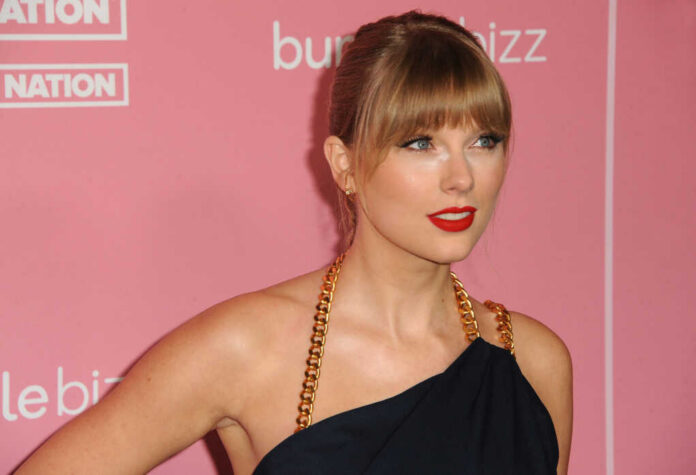
Taylor Swift’s bold trademark grab for her voice and likeness signals celebrities’ desperate race to shield personal identity from unchecked AI deepfakes, raising alarms about elite overreach into free speech and innovation.
Story Highlights
- Taylor Swift Productions filed seven USPTO trademarks on January 13, 2025, targeting her voice, likeness, and phrases like “Taylor’s Version” amid surging deepfake threats.
- Explicit AI-generated fakes of Swift went viral in January 2024, viewed over 47 million times, prompting proactive IP defenses.
- As of March 2026, all applications remain pending, potentially setting precedents for thousands of celebrities in the AI era.
- Filings leverage U.S. trademark law but spark debates over fair use, parody, and stifling technological progress.
Trademark Filings Target AI Deepfake Exploitation
Taylor Swift Productions Inc. submitted seven trademark applications to the United States Patent and Trademark Office on January 13, 2025. These cover her voice, likeness, and phrases such as “Taylor’s Version” and “Hey, it’s Taylor Swift.” The filings span music recordings, entertainment services, videos, and consumer goods in Classes 9, 41, and 45. This move follows explicit deepfake images of Swift that amassed 47 million views on X in January 2024 before removal. Swift’s team described it as a proactive step against AI misuse.
Historical IP Battles Fuel Current Defense Strategy
Swift has protected her intellectual property aggressively since 2019, re-recording albums as “Taylor’s Version” after Scooter Braun acquired her original masters. Deepfakes proliferated post-2017 with tools like DeepFaceLab, escalating by 2023 via AI voice cloning from firms like ElevenLabs. Precedents include Bette Midler’s 1988 voice misappropriation win and Scarlett Johansson’s 2024 OpenAI lawsuit. U.S. law under the Lanham Act supports such “sound marks” if they avoid consumer confusion, bolstered by right of publicity in over 30 states.
Pending Status Amid Regulatory Shifts
As of March 2026, all seven applications hold “new application” status with no office actions from USPTO examiner Jessica Fath. Processing backlogs average 12-18 months, with first actions expected by July 2026. The DEFIANCE Act, signed in December 2025, enables deepfake lawsuits, while the No AI FRAUD Act advanced protections. Platforms like X and Meta improved AI detection in response. Swift remains silent, but experts note her $1.6 billion brand value drives these efforts.
AI incidents rose 500% from 2024-2025 per Deeptrace Labs, projecting a $10 billion deepfake market by 2028. Swift’s fame likely aids approval, given USPTO’s 20% voice mark success rate when secondary meaning is established.
Broader Implications Challenge American Principles
Short-term, these filings deter unauthorized deepfakes and boost Swift’s licensing revenue, as seen in her $100 million Eras Tour merchandise. Long-term, they could precedent protections for 10,000 celebrities, fragmenting AI training data and igniting fair use battles. IP lawyer Dinita L. James calls it groundbreaking, while EFF’s Kit Walsh warns of chilling parody. This elite push for control underscores government failures to balance innovation, privacy, and free expression—core tensions frustrating Americans across the political spectrum who demand accountability from powerful interests.
Both conservatives wary of big tech overreach and liberals decrying elite privileges see a deeper issue: unaccountable systems eroding individual rights. As AI evolves without clear federal guardrails under President Trump’s second term, Swift’s case highlights the need for limited government solutions preserving liberty and traditional principles against deep state-like corporate dominance.
Sources:
USPTO TSDR: Serial Nos. 99197200–06
Billboard, Jan 15, 2025: Taylor Swift Trademarks Voice and Likeness
TMZ, Jan 15, 2025: Taylor Swift Files to Trademark Voice Amid Deepfakes
The Guardian: Taylor Swift Files Trademarks for Voice and Image Amid AI