French President Emmanuel Macron labeled a deadly Trappes drive-by a “racist terrorist attack” and rushed to the scene as France braced for new protests.
Story Snapshot
- Macron visited Trappes and met with locals, first responders, and officials after the attack.
- One person was killed and five were wounded, including a 12-year-old girl, according to multiple reports.
- Shots were fired from a vehicle at a petrol station, a medical center, and a children’s playground.
- Prosecutors investigated suspected terrorism as Macron called the attack racist and a turning point.
What Happened In Trappes
Reporters in France said a gunman opened fire from a moving vehicle in Trappes, a suburb near Paris, on October 23, 2026. The attacker targeted a petrol station, a medical center, and a playground. One person died. Five others were wounded, including a 12-year-old girl, based on consistent wire reports at the time. France 24 carried the same casualty count and confirmed the rapid police response and emergency care for victims.
Reuters reporting described automatic fire striking multiple locations before the shooter fled. Officials did not release a full suspect profile during early reports. France 24 explained that national prosecutors opened a suspected terrorism case as police gathered evidence and spoke with witnesses. These steps tracked standard French practice after serious mass violence. The early focus was stabilizing victims, securing scenes, and setting up the formal inquiry.
Macron’s Visit And Message
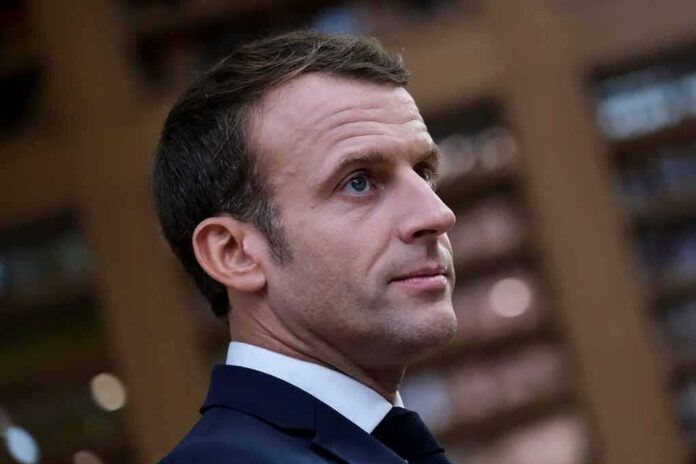
President Emmanuel Macron traveled to Trappes the same day. He met residents, first responders, and Mayor Ali Rabeh, and he viewed the attack area, according to Associated Press footage and other outlets. Macron called the shooting a “racist terrorist attack” and a “turning point” for France. His language signaled high-level focus on motive and national security, even as investigators continued to gather facts under the terrorism framework.
France 24 reported that prosecutors were handling the matter as suspected terrorism and that motive would be part of the legal process. The president’s public framing came fast and strong. He aimed to show support for victims and the community and to deter copycats. He also tied the moment to national unity against hate. That tone matched past French responses to ideological violence, where leaders move quickly to project resolve.
Casualties, Locations, And The Investigation
Wire services agreed on one person killed. Some early counts said at least four wounded, while key reports settled on five, including a 12-year-old girl. Such gaps often reflect evolving hospital updates. The attack stretched across daily-life spaces—a gas pump, a clinic, a playground—chosen for maximum fear and easy access. That pattern drew extra concern from French leaders and helped drive the terrorism lens as prosecutors gathered evidence.
President Emmanuel Macron has condemned a deadly drive-by shooting in the Paris suburbs of Trappes and La Verrière that killed one person and injured five, including a 12-year-old girl, as a “racist terrorist attack.” https://t.co/cU1yxB95fl
— Emma Laurent (@Emma458w) October 24, 2026
Coverage from major outlets highlighted how official voices shape early facts in crisis news. Studies of breaking terrorism reporting show leaders’ words can quickly define terms that media then carry forward. In Trappes, Macron’s “racist terrorist attack” line became the headline frame across channels, while prosecutors worked the case under the suspected terrorism statute. That sequence is common during fast-moving events with large public stakes.
Why This Matters To Americans
The Trappes attack shows how quickly violence can spill into public spaces and how leaders use strong labels to rally a country. Americans know this pattern well. Clear facts, quick care for victims, and a firm law-and-order response come first. Then motive gets proven in court. Strong borders, smart policing, and equal justice protect families and free speech. That balance defends our rights while stopping those who would turn public fear into power.
Sources:
youtube.com, apnews.com, timesofisrael.com, france24.com, usnews.com, ijoc.org