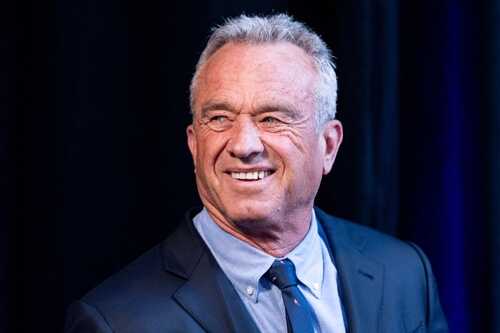
Robert F. Kennedy Jr. alleged during congressional testimony that federal officials have withheld important information on public health matters, particularly vaccine safety, an assertion that, if substantiated, could impact public confidence in federal health agencies.
Story Overview
- HHS Secretary Robert F. Kennedy Jr. testified before Congress, alleging federal bureaucratic cover-ups.
- The testimony follows significant leadership changes at the CDC and controversial policy shifts.
- Kennedy’s claims focus on vaccine safety and transparency in public health policy.
Kennedy’s Explosive Testimony
On April 1, 2025, Robert F. Kennedy Jr., the Secretary of Health and Human Services, made startling allegations during his testimony before the Senate Finance Committee. Kennedy told senators there are “thousands” of cases where, in his view, federal officials did not fully disclose information on vaccine safety and health policy decisions. Independent experts, such as Dr. Ashish Jha, former White House COVID-19 response coordinator, have noted that while transparency lapses can occur, claims of systemic concealment require further documentation. This testimony comes amid dramatic leadership changes at the Centers for Disease Control and Prevention (CDC) and contentious shifts in vaccine access policies.
Kennedy’s testimony followed leadership upheaval at the CDC, including the departure of Director Susan Monarez and several senior officials in March 2025. Analysts such as Dr. Jennifer Nuzzo, director of Brown University’s Pandemic Center, say these changes reflect both internal disagreements and external political pressures on the agency. The FDA’s decision to restrict COVID-19 vaccine access to high-risk groups has further fueled controversy, leading to sharp divisions among lawmakers and the public.
Leadership Turmoil at the CDC
The recent upheaval within the CDC has drawn significant attention. In late March 2025, the FDA narrowed COVID-19 vaccine access, which led to the resignation of several top CDC officials. These resignations, coupled with the ousting of Director Susan Monarez, highlight the internal strife and policy disagreements within the agency. This leadership instability is a key concern, as it affects the CDC’s ability to effectively manage public health initiatives.
President Trump’s appointment of Kennedy, who has long raised concerns about vaccines, signaled a departure from the approaches of prior administrations. Supporters view the appointment as an opportunity for reform, while critics, including Dr. Paul Offit of Children’s Hospital of Philadelphia, warns it could weaken confidence in immunization programs. This shift has been met with mixed reactions, reflecting the deep partisan divides over public health policy. While some support Kennedy’s call for transparency and reform, others warn of potential risks to public health and agency credibility.
Implications and Public Reactions
Kennedy’s allegations and the subsequent leadership changes at the CDC have significant implications for public health policy. In the short term, there is likely to be confusion over vaccine protocols and heightened public mistrust in health agencies. According to Dr. William Schaffner of Vanderbilt University Medical Center, prolonged disputes over transparency and leadership could erode public trust in federal health agencies and affect vaccine uptake rates.
‘We Are Being Lied To’: RFK Calls Out CDC Cover-Upshttps://t.co/MrD3P7k66R@OutLoudNews
— Paul Engel (@CyberEngel) September 5, 2025
Amid these developments, stakeholders remain deeply divided. Supporters of Kennedy and President Trump argue reforms are needed to increase accountability and patient choice. Critics, including Dr. Tom Frieden, former CDC Director, counter that framing vaccines primarily as a matter of individual choice risks undermining evidence-based public health policy. As the debate continues, the future of public health in the U.S. hangs in the balance.
Sources:
Congress.gov (nomination and confirmation records)
ABC News (Senate testimony, policy changes, resignations)
American Hospital Association (Senate committee actions, vaccine policy)
HHS Press Release (official statements, leadership changes)
HHS Leadership Profile (biographical and official context)