A 120-year-old dam owned by Dole Food Company teetered on the brink of catastrophic failure, forcing 5,500 Hawaii residents to flee as flash floods ravaged Oahu—exposing years of government neglect on critical infrastructure that President Trump’s administration now stands ready to address with real federal support.
Story Snapshot
- Over 230 people rescued, including 72 youth campers airlifted from a stranded camp, with no fatalities thanks to swift local responders.
- 5,500 evacuated from Waialua and Haleiwa due to “imminent failure” warnings at the aging Wahiawa Dam, built in 1906.
- Heavy rains of 8-12 inches on saturated soil caused Hawaii’s worst flooding in over 20 years, damaging homes, roads, and infrastructure.
- Governor Josh Green estimates over $1 billion in costs, highlighting strains on state budgets from poor maintenance of historic dams.
- Dam stabilized Saturday at 81.83 feet below the 85-foot threshold, but flood risks persist with warnings extended.
Flooding Ravages Oahu’s North Shore
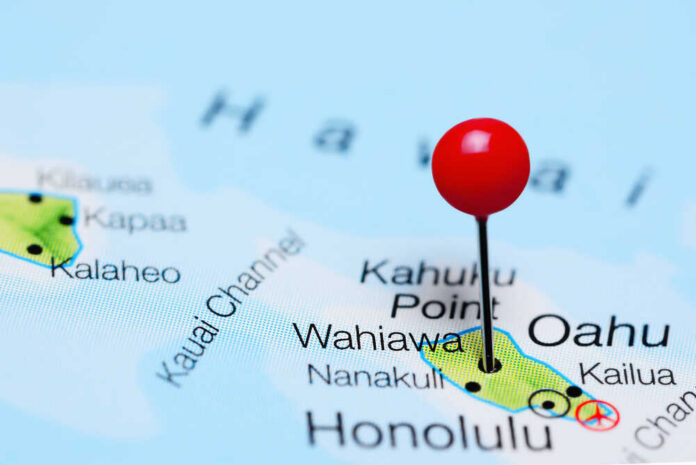
Heavy rains from March 19 to 20 dumped 8-12 inches on Oahu’s already saturated soil, triggering flash floods in Waialua and Haleiwa. Streams overflowed, sweeping away homes and stranding residents. Honolulu Fire Department, National Guard, and military teams rescued over 230 people, including 72 from Our Lady of Kea’au youth camp during spring break. No deaths occurred, underscoring effective local emergency action amid chaos. Roads closed, isolating communities famous for surfing.
Wahiawa Dam’s Imminent Threat Exposed
The 120-year-old earthen Wahiawa Dam, built in 1906 for sugar production by Dole’s predecessor, faced “imminent risk of failure” on March 20. Water levels peaked before receding slightly, prompting evacuation orders for 5,500. Classified as high hazard potential after a 1921 collapse and rebuild, the structure drew state scrutiny with four deficiency notices since 2009 and a $20,000 fine in 2021. Dole offered donation for repairs, prioritizing liability over fixes.
Governor Josh Green contacted the White House for federal aid, signaling reliance on President Trump’s disaster response team. Honolulu Mayor Rick Blangiardi oversaw rescues and reported dozens to hundreds of homes damaged or lifted off foundations. Residents lost pets and possessions in the deluge.
History of Neglect and Repeated Warnings
Hawaii’s infrastructure vulnerabilities stem from sugar-era relics like Wahiawa Dam, owned by Dole Food Company. State regulators fined Dole for delayed repairs, yet issues persisted through back-to-back Kona low storms—southerly systems saturating the ground. This marked the worst flooding since 2004, when homes and the University of Hawaii library flooded. Prior winter storms set the stage, overwhelming low-lying North Shore areas.
Oahu Emergency Management’s Molly Pierce noted receding waters but warned of broad hazards, including residential flooding in Honolulu. Small additional rains could re-flood saturated zones, extending risks.
Impacts Strain Hawaii’s Budget and Families
Damage estimates exceed $1 billion, hitting airports, schools, and even a Maui hospital requiring patient relocations. Short-term road closures displace thousands; long-term repairs burden Hawaii’s budget already pressured by past mismanagement. North Shore families face community disruption, relying on neighbor aid for recovery. Tourism to surf spots suffers, amplifying economic hits.
Political pressure mounts for infrastructure investment. Dole claims the dam operated as designed, contrasting official cautions. National Weather Service extended Flood Watch until March 22, predicting landslides. President Trump’s federal support offers hope against liberal governance failures that let dams decay.
Sources:
Hawaii suffers its worst flooding in 20 years and forecasters warn more rain is coming
Dangerous flooding on Hawaii’s Oahu island prompts evacuations, dam warning