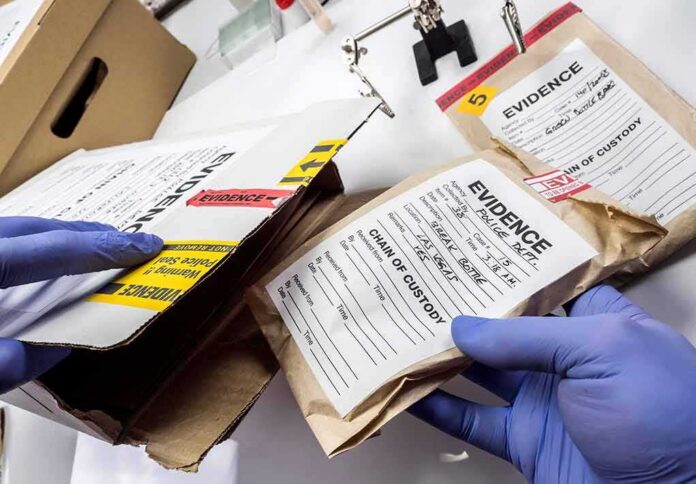
Unsealed court records show investigators are turning to an Oura Ring to help find a missing Utah Guardsman’s body after charging his wife with murder.
Story Highlights
- Salt Lake County prosecutors charged Jennifer Gledhill with first-degree murder in Matthew Johnson’s disappearance.
- Detectives sought Oura Ring data they believe could show movements during alleged body disposal.
- A confidential informant told police Gledhill admitted to shooting Johnson and burying him.
- Gledhill pleaded not guilty; Johnson’s body has not been recovered.
Prosecutors Move Forward With Nine Felony Counts
Salt Lake County prosecutors filed nine felony charges against Jennifer Gledhill, including first-degree murder, tied to the disappearance and apparent death of her husband, Matthew Johnson, a Utah National Guardsman. The District Attorney’s office stated the case rests on evidence developed since Johnson went missing in September 2024, along with statements gathered by police. The filing marks a major step that signals confidence in the case, even as authorities continue searching for Johnson’s remains.
Defense filings show Gledhill has pleaded not guilty to all charges. Prosecutors told the court they believe Johnson was killed and that the case no longer treats him as a missing person. Judges denied bail earlier in the case as investigators described ongoing evidence collection. While a plea is not proof, it sets up a clear trial fight: the state’s timeline, digital trails, and witness statements against Gledhill’s denial and any challenge to the evidence’s reliability.
Oura Ring Data Sought To Map Movements
An unsealed February warrant shows investigators pursued data from Oura Ring accounts linked to Gledhill and Johnson. Detectives said ring data might reveal location or movement details from the period when Johnson’s body was allegedly moved and hidden. Investigators believed standard phone geolocation logs were incomplete because a device had been turned off. They argued the ring’s records could fill gaps and help narrow search areas for remains, providing a crucial lead if corroborated with other evidence.
Another search warrant summary says detectives reviewed a September 21 photo showing Gledhill wearing a ring they believed was an Oura device. Investigators also said they tracked Gledhill’s movements on September 22 as she allegedly dumped evidence related to the killing. These claims, if supported by recovered ring data and independent location checks, could strengthen the timeline. If the ring data falls short, the state will lean harder on witness accounts, other digital records, and physical traces gathered so far.
Alleged Confession And The Search For Remains
Police reports describe a confidential informant who contacted Cottonwood Heights officers six days after the alleged killing. The informant said Gledhill admitted to shooting Johnson in the head while he slept, then moving the body and burying him in a shallow, undisclosed grave. The report details the alleged admission and sets a specific window for the death and disposal. Authorities continue to search for Johnson’s body as they build the case around statements and digital evidence.
Unsealed search warrants from the Salt Lake County District Attorney's Office reveal that investigators are using Oura Ring biometric and GPS data to locate the missing body of Utah National Guardsman Matthew Johnson.
His wife, Jennifer Gledhill, has been charged with his… pic.twitter.com/DlnUdrnfQp
— Next Brief (@nextbrief) August 29, 2026
Detectives and digital forensics teams often treat wearables as “digital witnesses.” Academic and forensic reviews say these devices can help fix timelines and movement, but their limits and data gaps matter. Courts want corroboration, clean chains of custody, and clear interpretation. In past cases, fitness data helped confirm or challenge stories, but it rarely stands alone without support from phones, cameras, vehicle data, or human witnesses. That same standard appears to guide this search effort now.
What It Means For Families, Justice, And Privacy
Families want answers, a proper burial, and justice done. Police want tools that speed the search and secure convictions. Wearable data can help both, when used with care. But citizens also expect guardrails. Search warrants and court review are meant to protect rights, even in hard cases. Here, prosecutors filed charges, police sought warrants, and the court process is underway. The next steps will test how well digital traces, witness claims, and physical evidence align in front of a jury.
Bottom Line For Readers
Investigators say Oura Ring data could point them to where Matthew Johnson’s body was taken. Prosecutors have charged Jennifer Gledhill with murder, and she has pleaded not guilty. The case now turns on whether the ring’s records and other evidence confirm the timeline and support the informant’s account. As authorities press forward, the goal remains the same: find Johnson, prove the facts, and secure a verdict that honors truth and the rule of law.
Sources:
nypost.com, fox23maine.com, ksl.com, saltlakecounty.gov, kjzz.com, wpde.com