
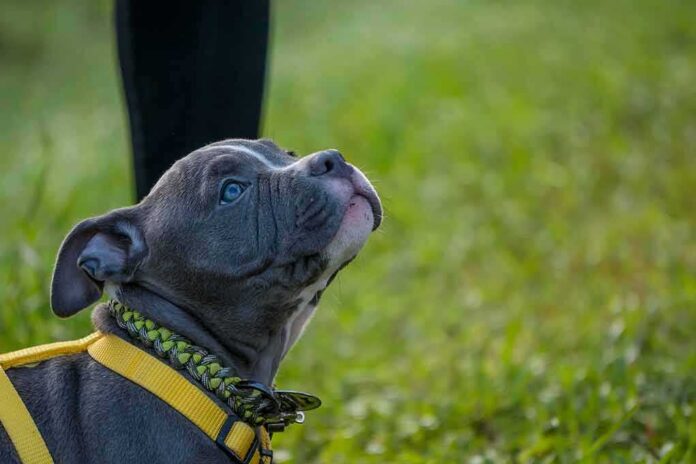
A new lifestyle claim says small dogs now signal manly confidence, flipping old stereotypes on their head.
Story Highlights
- A 2026 feature argues men who show off small dogs project secure masculinity, not overcompensation.
- Past surveys and coverage tied small dogs to women and “pampered” vibes, showing how views have shifted.
- Studies link dogs to social capital and dating appeal, with small dogs seen as less intimidating in photos.
- The trend pushes back on shallow gender labels and favors personal choice over group pressure.
What Sparked The Conversation
A Yahoo United Kingdom repost of a lifestyle piece stated that men who proudly walk small, “girly” dogs show strong, settled masculinity. The writer framed it as the opposite of overcompensation and said the choice signals confidence, not image repair. The article also suggested this posture has become common in recent years. That framing drew attention because it reverses a familiar script that once cast small dogs as accessories for women or status props for the image-obsessed.
Earlier polling-backed public relations material once found Americans overwhelmingly saw small-dog owners as female and viewed small dogs as pampered and yappy. Only a small share labeled a man with a small dog as “macho”. That snapshot showed how strong and lopsided the old stereotype was. The 2026 framing says the tide has moved, at least in cultural talk, toward treating small-dog choices as easy signals of self-assurance rather than a knock on a man’s backbone.
How Dogs Signal Identity In Public Life
Scholars and survey groups have long noted that dogs help people build social ties and shape how others see them. A peer-reviewed study found dog ownership links to higher social capital across gender, which helps explain why people mind how their pets play in public settings and photos. Lifestyle coverage in Europe and Latin America has also described the “big man, small dog” pairing as a rising social media trope that softens a man’s image and makes him seem more approachable.
Media and pop psychology pieces have tracked another point: pictures of men with dogs, especially small dogs, can seem less threatening and more dateable. Outlets that summarized university research reported that women rated men with a small dog as more attractive in controlled image tests, which helps explain the trend in profile photos and street shots. While these summaries are not the raw academic papers, the consistent theme is simple: a small dog often lowers the guard and boosts likeability in quick reads of character.
Why This Resonates With Conservative Readers
Conservatives value personal responsibility, family, and common sense. The small-dog trend pushes back on a shallow groupthink that boxes men in. It says a man’s worth is not tied to the size of his dog, truck, or gym stats. It also rejects snob labels that mocked small-dog owners as “high maintenance” or “spoiled,” labels that once crowded out regular guys who just wanted a good pet for home and travel. In short, it is about freedom to choose without cultural scolding.
Practical life also matters. Many families prefer small dogs for cost, housing, and travel. A small dog can fit better in tighter budgets and smaller yards, and it is easier for kids and grandparents to handle. That is not posturing; that is stewardship. When culture admits that a small dog can sit beside a solid man, it restores balance. It treats men as adults who set their own course, not as props in a brand campaign crafted by urban tastemakers.
The Bottom Line On Masculinity And Pets
The 2026 piece captures a visible shift: men with small dogs are no longer framed as insecure. They are read as secure and easy in their own skin, with no need to “prove it” by going bigger. That matches how neighbors and friends actually live. People pick dogs that suit their homes, kids, and schedules. They build community at the park, the range, church, and the shop—often with a leash in hand. That lived reality lines up with research on dogs and social capital, not fashion fads.
Culture will always try to sell a rule for what a “real man” must own. The healthier view says character beats optics. Faith, duty, and care for family are what count. If a ten-pound terrier helps a dad walk with his daughter at dusk, meet neighbors, and guard the house with sharp ears, that serves the home. That is not branding. That is good sense. And it needs no permission from stereotype merchants online.
Sources:
feedpress.me, uk.news.yahoo.com, psychologytoday.com, tandfonline.com, rova.nz