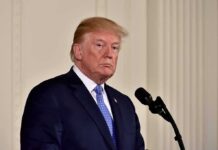
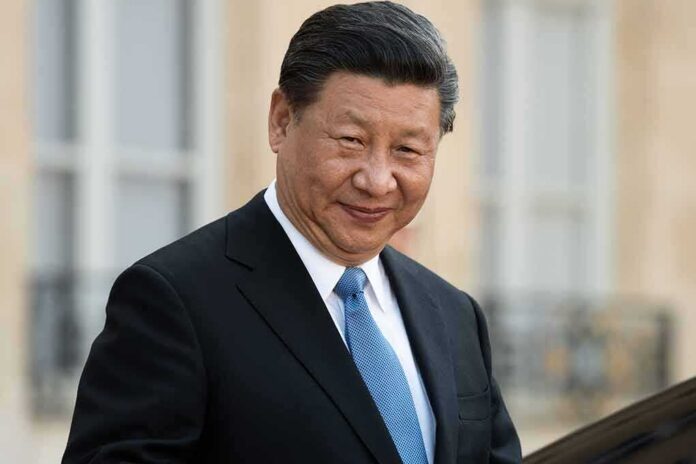
President Trump will host China’s Xi Jinping in Washington for a high-stakes state visit focused on trade, Taiwan, Iran, and fast-moving artificial intelligence.
Story Highlights
- Trump will greet Xi at Joint Base Andrews before a White House arrival ceremony and state dinner.
- Talks will target trade frictions, Taiwan tensions, Iran policy, and artificial intelligence risks.
- Officials have discussed selective tariff relief, but no deal is confirmed ahead of the meeting.
- China has not consistently confirmed the visit publicly, though U.S. plans are set.
State Visit Set With Full White House Protocol
Senior U.S. officials said President Trump will welcome Chinese President Xi Jinping in Washington next week for their second meeting this year, with a formal arrival ceremony and a state dinner at the White House. Trump plans to greet Xi at Joint Base Andrews when his plane lands, underscoring the high priority placed on this visit. Multiple outlets place the timing around September 24, matching earlier invitations and planning signals from spring and summer reports.
The schedule described by regional and U.S. reporting includes two days of events hosted by President Trump and First Lady Melania Trump for Xi and Peng Liyuan, capped by the state dinner. The ceremonial elements set the stage for intensive talks on policy disputes and crisis risks. Trump has publicly stated that Xi will receive a state dinner during the Washington visit, aligning with the protocol briefings shared by officials and press.
Agenda: Trade, Taiwan, Iran, And Artificial Intelligence
U.S. officials and media reports say the agenda spans trade, Taiwan, Iran, and artificial intelligence. The mission is to steady a tense relationship while testing options to lower friction and protect U.S. interests. Reporting indicates the sides may explore limited tariff steps alongside other measures that reduce near-term strain without giving up key leverage. Artificial intelligence concerns, including safety and security, are set to feature in the broader dialogue.
Reports describe discussions about possible tariff reductions on a narrow range of goods. These talks remain exploratory ahead of the visit, and no signed terms have been announced. Traders and industry will watch for even modest action that could ease costs for American consumers and businesses while keeping pressure on Beijing where it matters. Any movement would likely be incremental, not a return to the old status quo on trade.
Side Meetings And Possible Industry Input On Artificial Intelligence
Officials have weighed a meeting of technology executives on the sidelines to discuss artificial intelligence risks and safeguards. Planning details have not been finalized in public, but the idea reflects growing concern about how fast artificial intelligence advances could affect national security and the economy. The White House has placed artificial intelligence alongside traditional geopolitical flashpoints, which signals a whole-of-government focus on emerging tech.
Experts and prior summit patterns suggest the most likely outcomes are practical steps to reduce short-term risk, keep lines open, and buy time for deeper talks. That could mean crisis hotlines, clearer red lines, and measured trade steps while big fights over technology, export controls, and Taiwan continue. Such outcomes can still serve U.S. interests by lowering chances of miscalculation and shielding American workers and families from shocks.
Political And Strategic Stakes For American Families
President Trump enters the talks aiming to defend American jobs, contain inflation pressures tied to supply chains, and deter aggression in the Indo-Pacific. A narrow tariff adjustment, if matched by real benefits such as market access or fair play on agriculture, could help lower costs without surrendering leverage. Any pathway on artificial intelligence that protects U.S. innovation, blocks tech theft, and keeps military uses in check would reflect conservative priorities on security and sovereignty.
Trump and Xi sitting down in Washington with trade, AI, Iran, and Taiwan on the table is a pretty big deal.
This isn’t just another trade meeting. The U.S. and China are competing over technology and critical minerals while trying to prevent their economic relationship from…
— Ch1ck3nH00k (@Funker_Dev) September 20, 2026
Some visit details have come from unnamed officials, and Chinese state confirmation has varied. Still, the U.S. side has laid out clear protocol and priorities, with airport greeting plans, the White House ceremony, and a state dinner pointing to a full state visit. The bottom line remains firm: Washington will press for concrete gains where possible, hold the line where needed, and keep the door open to sustained talks that serve American workers, farmers, and families.
Sources:
facebook.com, reuters.com, abcnews.com, cnbc.com, chosun.com, businesstimes.com.sg, livemint.com, bbc.com, chinafile.com