
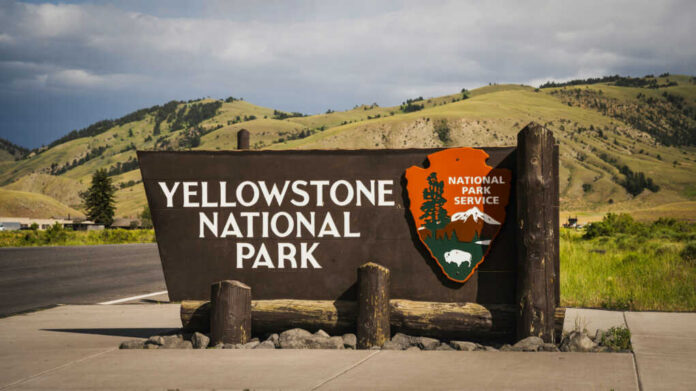
A viral video of a Yellowstone bison blasting a tourist eight feet into the air is a brutal reminder that America’s wild places are not theme parks and federal rules mean nothing if people ignore common sense.
Story Snapshot
- Yellowstone rules say visitors must stay at least 25 yards from bison, yet people keep breaking that line.
- Bison have injured more visitors in Yellowstone than any other animal, despite constant federal safety warnings.
- The headbutt video shows how “Instagram tourism” and thrill-seeking turn majestic wildlife into deadly missiles.
- Rangers are issuing tens of thousands of warnings every year, but reckless behavior still drives most attacks.
Yellowstone’s Clear 25-Yard Rule That Too Many Ignore
Yellowstone National Park regulations are not vague suggestions; they are clear law meant to keep people alive and animals wild. The National Park Service demands that visitors stay at least 25 yards away from all wildlife, including bison, elk, and deer, and at least 100 yards from bears and wolves. These distances reflect how fast and powerful these animals are, not some “overcautious” bureaucratic whim. When tourists walk right up to a 2,000‑pound bull bison for a selfie, they are not exercising freedom; they are gambling with their lives and forcing rangers to clean up the mess.
Guides, park partners, and even private campgrounds repeat the same basic rule because it works. Safety materials handed out at Yellowstone’s gates and shared by local groups state plainly: stay at least 25 yards from bison, and give them even more space when they seem agitated or during mating season. These handouts describe simple warning signs any visitor can spot—tail raised, head swinging, pawing the ground—and urge people to back away rather than hold their ground for a dramatic video. Yet the latest viral clip shows a tourist inside that safety bubble, treating a wild bison like a petting zoo prop until the animal explodes into a violent charge.
Bison Are America’s Iconic Animal – And Yellowstone’s Top Cause of Injuries
Yellowstone’s bison are a symbol of the American frontier, but they are also the park’s number one source of visitor injuries. Peer‑reviewed research on past incidents makes the pattern painfully clear: in most cases, 80 percent or more, people were hurt because they chose to approach bison instead of staying back. Many victims turned their back on the animal to take a photo, stood within a few yards, or tried to walk through a herd on a trail. Every one of those choices pushed past the 25‑yard rule and turned a peaceful grazer into a battering ram. From 1978 through 1992, Yellowstone averaged about four bison‑related incidents per year, including two deaths, and even today the park still reports multiple gorings in some years.
Recent years show the same story repeating, despite constant education. Yellowstone notes that bison have injured more pedestrian visitors than any other animal, beating even bears, which most people fear more. A 2025 park news release describes a 47‑year‑old man gored after he got too close to a bison, marking the first such injury that year, following two bison incidents in 2024 and one in 2023. Local reports and social media posts highlight multiple episodes where people “got far too close” before being tossed or trampled. None of this is a mystery, and none of it requires new regulation. It simply demands that visitors respect the existing law, instead of expecting Washington or park rangers to somehow “fix” the laws of nature.
Rangers Fighting a Losing Battle Against Social Media Stunts
Yellowstone rangers are not sitting on their hands. They are trying to protect both people and wildlife in the face of stubborn foolishness. Yellowstone Forever, a key park partner, reports that in 2023 alone, rangers issued more than 63,000 warnings for violations like approaching wildlife too closely, feeding animals, or disturbing their natural behavior. That staggering number shows how many visitors still treat the park as a backdrop for viral content instead of a living ecosystem. Every time a tourist edges closer to a bison for a dramatic video, they force rangers to choose between letting nature run its course or rushing in to stop yet another preventable disaster.
A tourist was seriously injured after a bison tossed them about 8 feet into the air in Yellowstone National Park. The attack was captured on video by photographer Mike Macleod. https://t.co/OuGpEV9w0V
— ⚡THOR ⚡ the Deplorable 🇺🇸 (@ThorDeplorable7) July 12, 2026
Media outlets and online creators often push the shock value of these attacks—slow‑motion clips of a man sailing through the air, breathless play‑by‑play of injuries—but rarely give equal airtime to the simple safety message. Park safety pages stress that bison can run three times faster than humans and are unpredictable, which is why that 25‑yard buffer exists in the first place. Wildlife safety guides outside the park echo the warning and remind visitors that bison can easily outrun any person who tries to sprint away. The headbutt video should not inspire copycat thrill‑seekers; it should be a wake‑up call that our national treasures demand humility, not bravado, from the people who visit them.
Sources:
thegatewaypundit.com, oldfaithfulrvpark.com, nps.gov, discoverytreks.com, facebook.com, yellowstonepark.com, stacks.cdc.gov, mountainjournal.org, yellowstone.org, windriverbuffalo.org, foxweather.com, cdc.gov