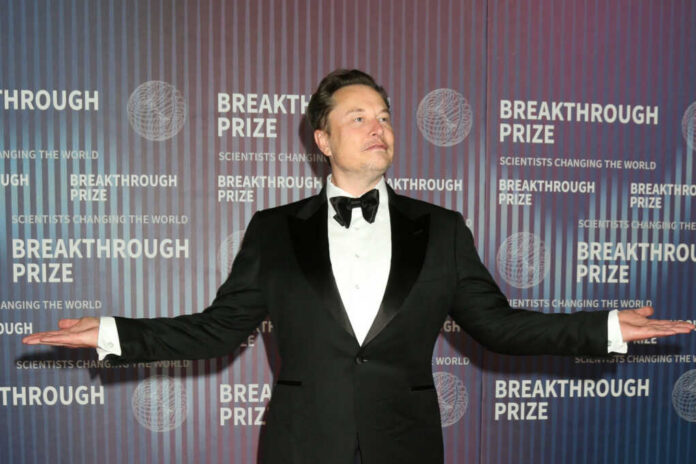
Media say Elon Musk just became the first trillionaire after SpaceX’s record IPO, but the proof rests on thin public math.
Story Snapshot
- Reports claim SpaceX’s debut made Musk the first trillionaire [1][2].
- Stated valuations range near two trillion dollars for SpaceX [1][2][3].
- Key documents on Musk’s exact stake are not shown in reports [1][2][3][4].
- Employee ownership and record IPO size add real milestones [4].
What the reports claim about Musk’s trillion-dollar milestone
Multiple video reports say Elon Musk crossed one trillion dollars in net worth after SpaceX began trading publicly. One clip states SpaceX opened around one hundred fifty dollars per share, implying a market value near one point nine seven trillion dollars, and ties that jump directly to Musk’s wealth ranking [1]. A second news video echoes the same claim, calling Musk the world’s first trillionaire following the debut [2]. Bloomberg-style commentary frames the listing as the trigger that could crown Musk at that level [3].
Forbes-branded coverage highlights the event’s scale and features comments from SpaceX president and chief operating officer Gwynne Shotwell. That segment notes more than half of the company’s twenty-two thousand employees bought nearly one billion dollars in stock during the process, underscoring broad worker participation in the offering [4]. Together, these reports set a clear story: a massive first-day valuation, strong retail and employee interest, and a founder whose fortune soared on paper as the stock opened to public trading [1].
What is missing from the trillionaire math
The same reports do not show the core proof a skeptic would want: a primary ownership table for Musk at the time of pricing. None of the supplied coverage includes the final prospectus, insider ownership disclosures, or a detailed net worth worksheet that converts SpaceX’s market value into Musk’s personal assets after debt, lockups, or entity structures [1][2][3][4]. Without that, the trillionaire label relies on media narration and assumed percentages rather than filed, verifiable numbers from the offering documents.
This gap matters because voting control and personal net worth are not the same thing. A founder can hold strong voting power while actual economic ownership is lower due to preferred shares, trusts, or dilution. The reports also do not clarify whether the figure refers to liquid wealth or paper gains tied to a lockup period. That distinction affects how meaningful the “first trillionaire” claim is for taxes, philanthropy, or market risk. The headlines leap ahead of the paperwork [1][2][3].
How to verify the claim and why it matters to readers
Readers should look for the United States Securities and Exchange Commission registration statement, the final prospectus, and any post-offering insider ownership disclosures. Those filings can confirm Musk’s direct and indirect stakes, option grants, and any debt that offsets asset values. Wealth trackers may publish their methods. Their inputs should include share counts, discounts for lockups, private holdings, and liabilities. Until those details appear, the trillionaire label remains a strong possibility, not a proven fact set [3].
SpaceX IPO Makes Elon Musk World's First Trillionaire https://t.co/q9HRXuwurl #TempoEnglish
— Tempo English (@tempo_english) June 13, 2026
Why it matters: America wins when private innovation beats bloated programs and foreign rivals. SpaceX’s success shows market trust in lower-cost launches, national security payloads, and a new space economy. That is good for jobs, defense, and pride. But good reporting also guards against hype. Clear numbers keep markets honest, protect small investors, and stop activists or bureaucrats from twisting headlines into new taxes, speech rules, or power grabs that chip away at free enterprise and the Constitution.
What conservatives should watch next
Watch first-day and first-week trading to see if the valuation holds, because volatile pricing can swing wealth estimates quickly. Watch for locked-up shares, as founders usually cannot sell for months after listing. Watch for lawmakers who use the trillionaire label to push windfall taxes or speech-policing of tech firms. Expect attacks from globalist and progressive groups who want more control over private industry and your paycheck. Demand facts from filings, not just flashy clips, before conceding the narrative [4].
Bottom line for our audience
SpaceX’s public debut looks like a major win for American industry and a rebuke to slow government programs. Musk may well be the first trillionaire, based on these reports and the stated valuation range. But the burden of proof sits with the numbers. Ask for the cap table, the ownership footnotes, and the method used to turn a company’s price into one man’s net worth. Celebrate the achievement, but insist on clarity. That is how we keep markets free and fair [1][2][3][4].
Sources:
[1] YouTube – Washington Today (6-12-26): Elon Musk is 1st trillionaire after IPO; …
[2] YouTube – Elon Musk is officially a trillionaire. Here’s what …
[3] YouTube – Elon Musk becomes first trillionaire after SpaceX IPO
[4] YouTube – SpaceX IPO: Elon Musk Becomes the World’s First Trillionaire