
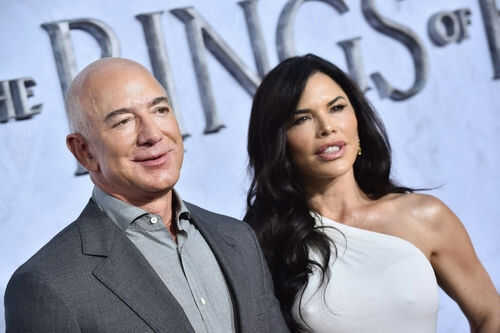
The Met Gala’s transformation into a billionaire-funded spectacle showcases how America’s cultural elite have sold out to Big Tech, leaving working Americans wondering if any institution remains untouched by the corrupting influence of unfathomable wealth.
Story Snapshot
- Jeff Bezos and Lauren Sánchez Bezos served as honorary chairs of the 2026 Met Gala, marking tech billionaires’ unprecedented dominance over the traditionally fashion-focused event
- Individual tickets skyrocketed to $100,000 with tables costing $350,000, pricing out traditional fashion insiders while tech giants Amazon, OpenAI, Meta, and Snap bought sponsorships
- Protesters demonstrated outside with signs reading “Bezos Met Gala: Sponsored by Worker Exploitation,” highlighting growing anti-billionaire sentiment across political divides
- Fashion historians warn the event’s shift from cultural fundraiser to “Tech Gala” reflects broader concerns about billionaire influence infiltrating American institutions
Tech Billionaires Commandeer Fashion’s Biggest Night
The 2026 Met Gala held on May 4 at New York’s Metropolitan Museum of Art featured Jeff Bezos and fiancée Lauren Sánchez Bezos as honorary chairs, a role traditionally reserved for fashion icons. The Amazon founder, worth $266.8 billion, headlined an event increasingly dominated by Silicon Valley money rather than creative vision. Anna Wintour, Vogue’s global director and the gala’s gatekeeper, defended the Bezoses as a “wonderful asset” despite backlash from fashion insiders who watched their industry’s premier event become another playground for tech elites. This marks a concerning pattern where wealth, not merit or cultural contribution, determines who leads America’s institutions.
Skyrocketing Costs Exclude Traditional Voices
Ticket prices exploded from historical rates of $500 to an eye-watering $100,000 per individual, with tables commanding $350,000. These astronomical costs effectively barred traditional fashion houses and independent designers from participating, leaving only corporations and billionaires capable of affording entry. Tech firms purchased tables for cultural credibility, viewing the expense as marketing investment rather than prohibitive cost. Fashion historian Deirdre Clemente called this a “new phenomenon,” noting the gala “was really about fashion” before money overtook artistry. The pricing structure exemplifies how elites create exclusive spaces that ordinary Americans—even successful professionals—cannot access, deepening the chasm between haves and have-nots.
Protests Highlight Bipartisan Frustration With Billionaire Class
Outside the gala, activists from the group “Everyone Hates Elon” displayed posters declaring “Bezos Met Gala: Sponsored by Worker Exploitation,” connecting the event’s opulence to labor concerns at Amazon and AI-driven job displacement. Reports suggested celebrities including Meryl Streep and Zendaya skipped the event, though these absences remain unverified. The protests reflect growing consensus across left and right that billionaires wield disproportionate influence over culture, politics, and daily life. While conservatives resent tech censorship and woke corporate agendas, liberals decry wealth inequality and labor exploitation—both sides increasingly agree the system serves elites while failing regular citizens struggling to achieve the American Dream through honest work.
Gilded Age Parallels Reveal Troubling Trajectory
Experts drew comparisons to the 1883 Vanderbilt ball, when “new money” industrialists forced acceptance from old New York society. Amy Odell, Wintour’s biographer, labeled the event a “Tech Gala,” questioning whether anyone besides ultra-wealthy tech executives can afford participation. The gala raised funds for the Costume Institute, continuing its philanthropic mission, yet the shift from cultural celebration to corporate showcase raises fundamental questions about American values. Previous tech attendees included disgraced FTX founder Sam Bankman-Fried, whom Wintour reportedly pursued before his fraud conviction. This history underscores how money buys access regardless of character, mirroring concerns that government officials prioritize powerful donors over constituents’ needs.
Cultural Institutions Surrender to Big Tech Money
Tech sponsorships began modestly with Amazon in 2012, expanding to Apple, TikTok, and OpenAI in recent years, transforming the gala’s funding model. The 2025 event raised a record $31 million, demonstrating financial success even as fashion insiders and socialites found themselves displaced. Adrienne Jones, a Pratt Institute professor, acknowledged organizers invite the richest individuals to maximize fundraising, but backlash focused on placing the Bezoses “front and center” rather than supporting roles. This evolution from fashion fundraiser to billionaire showcase illustrates a broader pattern: American institutions—museums, universities, media—increasingly depend on concentrated wealth, giving donors outsized influence over cultural direction while diminishing voices of ordinary citizens who built these institutions through generations of support and participation.
Sources:
Met Gala Enters Its Billionaire Era With Jeff Bezos and Lauren Sánchez Bezos – Observer
Met Gala: Jeff Bezos and Lauren Sánchez Bring Back the Gilded Age – The Times
Met Gala Then and Now: Why Celebrities Are Skipping Fashion’s Biggest Night – Gulf News