President Trump’s naval blockade of Iran has forced 27 commercial vessels to turn back in just one week, with U.S. military commanders warning non-compliant ships will be boarded or face the use of force.
Story Highlights
- CENTCOM reports 27 vessels redirected since blockade began April 13, with zero successful breaches of U.S. enforcement
- Presidential directive followed collapse of U.S.-Iran peace negotiations, deploying 10,000 service members to enforce port closures
- Navy destroyers issue stark warnings to approaching ships: “Turn around or prepare to be boarded. If you do not comply, we will use force”
- Blockade targets Iranian ports along Gulf of Oman and Arabian Sea, pressuring Tehran’s economy through maritime isolation
Blockade Enforcement Shows Immediate Results
U.S. Central Command announced Monday that American naval forces have successfully turned back 27 commercial vessels attempting to access Iranian ports since the blockade’s launch on April 13, 2026. The operation, ordered directly by President Trump following failed peace talks with Tehran, marks a significant escalation in regional tensions. Six merchant ships reversed course within the first 24 hours alone, with compliance numbers climbing steadily as enforcement intensified. The USS Spruance recorded the 10th turnback when it redirected an Iran-flagged cargo ship in the Gulf of Oman, demonstrating the blockade’s reach beyond traditional chokepoints.
Military Issues Unambiguous Warnings to Commercial Shipping
U.S. Navy destroyers patrolling the enforcement zone deliver stark radio warnings to vessels approaching Iranian territorial waters: “Do not attempt to breach. Turn around or prepare to be boarded. If you do not comply, we will use force.” General Dan Caine, Chairman of the Joint Chiefs of Staff, told reporters that 13 ships had “made the wise decision to turn back” by April 16, adding that non-compliant vessels would be “dealt with accordingly.” The military’s messaging leaves no ambiguity about consequences for attempted breaches. Approximately 10,000 U.S. service members now support the operation under CENTCOM leader Admiral Cooper, establishing a formidable presence across Iran’s maritime access points.
Strategic Pressure on Iran’s Economic Lifelines
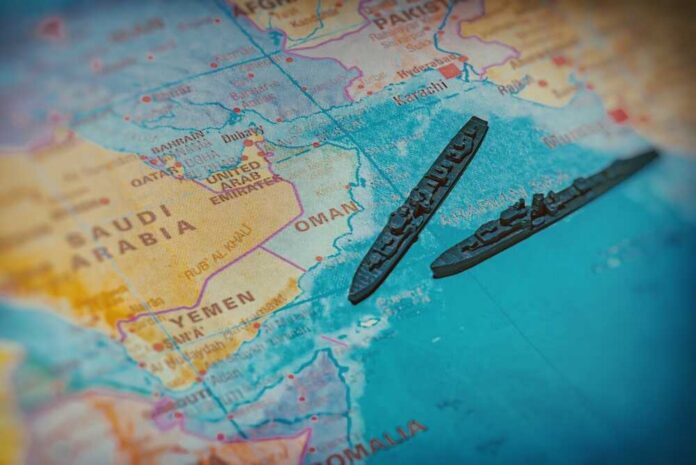
The blockade specifically targets vessels entering or leaving Iranian ports along the nation’s Gulf of Oman and Arabian Sea coastline, effectively isolating Tehran’s maritime commerce while allowing non-Iranian traffic through the Strait of Hormuz. This strategic approach applies pressure directly on Iran’s economy without disrupting the broader flow of global oil supplies through the waterway that handles 20 percent of worldwide petroleum transit. The enforcement remains impartial to vessel nationality, compelling international shippers to avoid Iranian ports or face interdiction. Twenty non-Iranian vessels transited the strait initially without interference, demonstrating the operation’s targeted focus on Iranian trade specifically.
Escalation Risks Amid Zero Tolerance Policy
Reports indicate U.S. forces have seized at least one Iranian cargo vessel that attempted to bypass the blockade, signaling Washington’s willingness to use force beyond mere warnings. CENTCOM maintains that no Iranian vessels have successfully penetrated the enforcement zone east of the Strait of Hormuz, framing the operation as “proceeding as planned.” The rapid escalation from diplomatic failure to military enforcement within days underscores the administration’s hardline approach to Iran. Long-term implications include sustained economic pressure on Tehran’s regime, though the confrontational posture raises questions about potential military escalation if Iran challenges U.S. naval dominance in waters adjacent to its own coastline.
The blockade represents a significant flex of American military power in a region where many Americans question whether endless Middle East entanglements serve ordinary citizens’ interests. While supporters argue strong enforcement protects national security and backs up presidential authority after failed negotiations, critics across the political spectrum worry about costs, risks of wider conflict, and whether such interventions benefit working families or merely serve the interests of defense contractors and Washington’s foreign policy establishment. The operation’s success in turning back vessels demonstrates military effectiveness, yet the broader wisdom of this confrontational path remains a point of contention for Americans tired of government leaders prioritizing overseas conflicts over domestic struggles.
Sources:
Navy destroyer turns back Iranian cargo ship in blockade enforcement – Stars and Stripes
US turned back 27 vessels since start of naval blockade of Iran: CENTCOM – Anadolu Agency
US naval blockade forces six merchant vessels to turn back in first 24 hours – The Jerusalem Post