President Trump threatens to pull U.S. troops from Germany, hitting back at a NATO ally undermining America’s fight against Iran’s nuclear ambitions.
Story Snapshot
- Trump announces review of reducing over 36,000 U.S. troops in Germany after Chancellor Merz calls U.S. Iran operations “reckless.”
- Dispute escalates over Germany’s refusal to support U.S. efforts to secure the Strait of Hormuz amid two-month-old Iran conflict.
- Trump accuses Merz of accepting Iranian nuclear weapons, warning the world would be held hostage.
- Military relations between U.S. and Germany remain strong despite political clash.
Timeline of the Clash
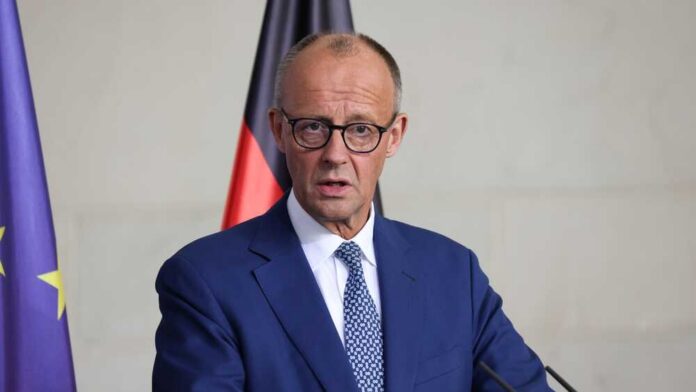
On April 27, German Chancellor Friedrich Merz spoke in Marsberg, labeling U.S. military operations against Iran “reckless” and claiming America faces humiliation from Iranian leaders. He demanded the war end quickly. The next day, April 28, President Trump fired back on Truth Social, stating Merz “doesn’t know what he’s talking about” and believes “it’s OK for Iran to have a Nuclear Weapon.” Trump highlighted the global hostage risk from Iranian nukes. This public spat via social media bypassed traditional diplomacy, exposing NATO fractures.
Trump’s Troop Reduction Announcement
On April 29, Trump posted on Truth Social that the U.S. is “studying and reviewing the possible reduction of Troops in Germany,” with a decision coming soon. He tied this to Germany’s economic struggles, saying “No wonder Germany is doing so poorly.” Over 36,000 U.S. service members are stationed there, the largest U.S. presence in Europe, vital for NATO deterrence since World War II. This echoes Trump’s first-term push for cuts over burden-sharing failures, though never fully executed.
Stakeholders and Responses
Chancellor Merz downplayed tensions, claiming relations with Trump remain good. Germany’s embassy offered no comment on the troop review. The Pentagon deferred to the White House, which stayed silent. U.S. and German military leaders confirm strong cooperation; Germany’s top general recently met U.S. officials. Iranian leadership benefits from these divisions, as Trump views their tactics as humiliating. Trump wields executive power here, pressuring allies reluctant on Iran and defense spending.
Analysts see this as leverage against Germany’s Strait of Hormuz refusal and NATO non-involvement stance. Berlin calls the U.S. Iran war a “strategic and legal misstep,” deepening alliance rifts. Military ties hold firm, but political discord risks NATO unity during crisis.
Trump weighs pulling US troops from Germany amid clash with chancellor over Iran warhttps://t.co/5AFSjiOBuT
— KykuittheWitch (@KykuitTheWitch1) April 30, 2026
Broader Implications for America First
A troop pullout could reshape post-WWII security, questioning U.S. commitments and inviting Russian or Chinese influence in Europe. Germany’s base communities rely on U.S. spending; redeployment brings costs. Politically, Trump’s base cheers ally pressure, while critics fear weakened NATO. This aligns with America First by demanding fair shares, countering elites who prioritize globalism over U.S. interests. Both sides grow frustrated with unaccountable leaders failing everyday Americans on security and economy.
Sources:
Chosun Biz: Trump weighs pulling US troops from Germany amid clash with chancellor over Iran war
Fox News: Trump weighs pulling US troops from Germany amid clash with chancellor over Iran war
Jerusalem Post: Trump weighs pulling US troops from Germany amid clash with chancellor over Iran war