
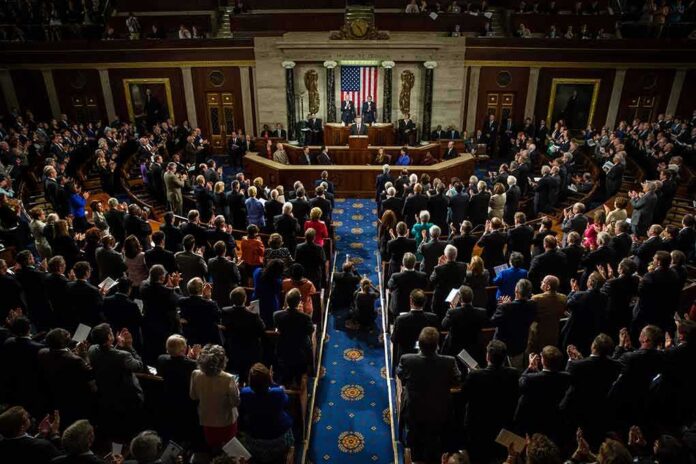
The Senate confirmed Todd Blanche as attorney general before sunrise, handing President Trump a narrow win after a bitter fight over Justice Department independence.
Quick Take
- Blanche was confirmed by a 50-49 Senate vote, with two Republican senators opposing him.
- The vote followed a 12-10 party-line committee approval and weeks of controversy.
- Critics pointed to Blanche’s past role as Trump’s personal lawyer and to the abandoned anti-weaponization fund.
- Supporters said Blanche was focused on violent crime, fentanyl, immigration enforcement, and fraud.
A Narrow Vote After a Long Standoff
The Senate voted early Saturday to confirm Todd Blanche as the nation’s top law enforcement officer. The result was 50-49, with Republican Senators Susan Collins and Lisa Murkowski voting no. The close margin showed how sharply divided Washington remains over whether Blanche can run the Justice Department as an independent legal office or as a tool of the White House.
Blanche had already been serving in a top Justice Department role before the final vote. The Justice Department said he was the acting attorney general while also serving as deputy attorney general, overseeing more than 100,000 employees across Main Justice, the Federal Bureau of Investigation, the Drug Enforcement Administration, the United States Marshals Service, the Bureau of Alcohol, Tobacco, Firearms and Explosives, the Bureau of Prisons, and 93 United States attorney offices. That gave him day-to-day control long before permanent confirmation.
Why Conservatives Saw the Fight as About More Than One Nominee
Supporters inside the Republican Party said Blanche was the right pick because he stressed core law-enforcement work. During his testimony, he defended the department’s budget and highlighted violent crime, fentanyl trafficking, immigration enforcement, and fraud detection. He also said the department was not moving forward with the proposed nearly $1.8 billion anti-weaponization fund after senators raised objections. For many conservatives, that mattered because it showed a willingness to back away from a flashy spending plan that looked politically loaded.
Republican backers also described Blanche as a steady manager rather than a headline chaser. Senator Chuck Grassley praised his focus on violent crime and victims’ concerns, while Senators John Cornyn and Thom Tillis moved into the yes column after receiving assurances about the fund. Those defenses matter to readers who want a Justice Department that pursues criminals, secures the border, and avoids the kind of ideological games that fed public distrust under previous administrations.
Why the Independence Question Never Went Away
Critics had a much different read. Reuters, the BBC, Bloomberg, the Guardian, Time, and other outlets all described Blanche as Trump’s former personal lawyer. That fact alone gave opponents a clear line of attack, because the attorney general is supposed to enforce the law without favor. The controversy grew when reporting tied Blanche to the abandoned anti-weaponization fund and to a disputed tax settlement involving Trump and his family.
The Senate has confirmed Todd Blanche as the next attorney general of the United States. https://t.co/un19rJlTPM https://t.co/1gfL8Wy6Eh pic.twitter.com/YUsytLqcVx
— ABC 7 Chicago (@ABC7Chicago) August 8, 2026
The public record in this package does not show a signed ethics pledge, a detailed recusal memo, or another formal safeguard from Blanche on Trump-related matters. What it does show is a deeply partisan confirmation fight, a narrow committee vote, and a floor result that split mostly along party lines. That is enough to satisfy the legal process. It is not enough to end the broader argument over whether the Justice Department is being led with the independence Americans expect from the nation’s chief law-enforcement office.
Sources:
mediaite.com, bbc.com, justice.gov, bloomberg.com, politico.com, nytimes.com, npr.org, congress.gov, abcnews.com, youtube.com