Nepal’s sweeping ban on social media has ignited a deadly wave of protests, underscoring a generational clash over digital rights and government control.
Story Snapshot
- Mass protests erupted in Nepal following a social media ban, resulting in at least 18 deaths.
- The ban was quickly reversed due to public pressure and violent unrest.
- Prime Minister KP Oli cited generational misunderstandings as a trigger for the protests.
- Protesters, primarily Gen Z, demand greater digital rights and transparency.
Protests and Violence Erupt Over Social Media Ban
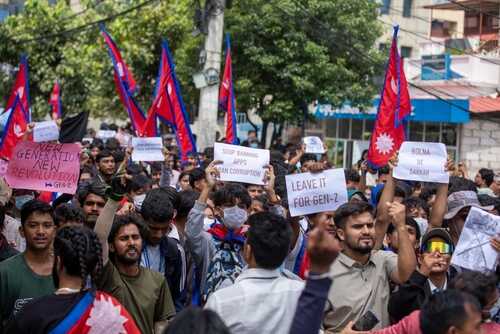
In early September 2025, the Nepalese government announced a sweeping ban on major social media platforms, including Facebook, WhatsApp, and X (formerly Twitter). This decision led to mass protests primarily led by Gen Z activists. Demonstrators stormed the Parliament complex in Kathmandu, resulting in violent confrontations with security forces. Reports indicated hundreds were injured and at least 18 people lost their lives during these clashes. The government later lifted the ban amidst growing public outrage.
The protests highlight a significant generational divide, with young activists leveraging digital platforms to organize and voice their dissent against the government’s actions. The ban was initially framed as a measure to control misinformation and unregulated online activity. However, it was largely perceived as an attempt to stifle dissent, leading to a rapid mobilization of youth and civil unrest.
Government’s Response and Reversal
Following the violent protests and international scrutiny, Prime Minister KP Oli’s government lifted the social media ban and issued public statements addressing the crisis. In a televised address on September 10, Prime Minister KP Oli attributed the unrest to generational misunderstandings and what he described as a failure of clear government communication. He assured that the government did not intend to permanently restrict social media use and promised to provide an environment conducive to its lawful use.
The swift reversal of the ban underscores the power of digital activism in modern political landscapes, particularly in societies with a high engagement of youth online. The incident has drawn attention to the Nepalese government’s approach to digital regulation and its potential implications for civil liberties and state authority.
Implications for Digital Rights and State Authority
The events in Nepal serve as a stark reminder of the tensions between state control and digital freedoms. In the short term, the lifting of the ban has restored access to social media platforms, though political tensions remain high. Local media such as The Kathmandu Post reported that vigils and memorials have been held for those killed and injured in the protests. In the long term, this incident could catalyze further youth activism and demands for greater transparency and digital rights from the government.
19 Are Killed in Nepal Protests Over Corruption and Social Media Ban – The New York Times https://t.co/o46Qitwfba
— Manoj Khadka (@cyclonemanoz) September 8, 2025
The broader implications of this unrest may influence how governments in the region approach digital regulation and protest management, highlighting the delicate balance between maintaining order and respecting civil liberties. It remains to be seen how the Nepalese government will address these challenges moving forward.
Sources: