A federal judge said Everett Public Schools likely violated the First Amendment, and now the district must apologize, retrain its board, and pay $275,000.
Story Highlights
- Judge found families likely to win on free speech and free exercise claims, prompting a court order and later settlement.
- District told students to keep LifeWise materials in sealed envelopes in their backpacks, triggering constitutional concerns.
- Settlement includes a public apology, religious liberty training for board members, and $275,000 in attorney’s fees.
- Court flagged viewpoint discrimination and ordered interim fixes to permission slips and reading rules before trial.
Judge Flags Likely First Amendment Violations
United States District Judge Lauren King determined that parents and LifeWise were likely to succeed on claims that Everett Public Schools violated the First Amendment. The court’s preliminary injunction pointed to problems with the district’s release-time rules, its recurring permission-slip process, and restrictions tied to LifeWise’s religious character. Reporting on the order also described it as identifying viewpoint discrimination. That means the district treated religious speech worse than similar secular speech, which courts have long rejected.
The Everett Herald reported that Judge King required immediate fixes. The district had to change its permission-slip policy and allow students to read LifeWise materials during times when other non-school items were allowed. The court acted before trial, which shows the issues were serious enough to need fast relief. That step kept families from losing their rights while the case moved forward. The order protected the status quo of equal access while facts were still being weighed.
Sealed Envelopes And Exclusion Triggered The Fight
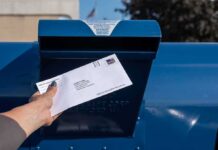
The district’s own statement confirms that students returning from LifeWise were told to keep materials from off-campus religious instruction in sealed envelopes in their backpacks. Families also challenged a burdensome permission-slip process and limits on access to district activities. Local reporting said LifeWise was excluded from a community fair. Together, these rules added friction and sent a message that religious content was second-class, which raised constitutional alarms under equal access and viewpoint neutrality principles.
The release-time program itself is lawful when handled evenhandedly. The Supreme Court has held that schools cannot exclude religious viewpoints when they open forums to comparable speech. In Good News Club v. Milford Central School, the Court ruled that singling out a Christian children’s program for different treatment was impermissible viewpoint discrimination. That baseline guides how districts must treat private religious expression alongside secular activity. Everett’s policies crossed that line, according to the court’s early findings.
Settlement Demands Apology, Training, And $275,000
After the injunction, Everett Public Schools settled. The agreement requires a public written apology, religious liberty training for school board members, policy updates, and payment of $275,000 in attorney’s fees to resolve the case. The district said it settled to avoid more litigation and costs. While the case ended without a final merits judgment, the relief mirrors what the judge’s order signaled: the rules were not constitutional as applied to LifeWise and participating families.
Everett, WA schools threw roadblocks at kids in off-campus Bible class. A judge called it likely viewpoint discrimination.
Now the district pays $275K, gets religious liberty training, and apologizes.
Parents direct their kids' faith, not school boards. @LifeWiseAcademy
— Orion Maple (@OrionMaple) October 17, 2026
The district’s apology also addressed rhetoric that offended families. Public comments from leadership had become part of the controversy, adding to concerns about hostility toward a religious viewpoint. The settlement aims to reset the culture and the rules so students who choose off-campus religious instruction are not punished or sidelined when they return to school. That is a win for parents who want schools to stop policing belief and start respecting equal treatment.
Why It Matters For Parents And Schools
This case sends a clear message: public schools cannot hide religious speech behind special hurdles. When students can read non-school materials, they can read a Bible or a LifeWise handout on the same terms. When the district opens a fair or a flyer forum to the community, it cannot shut the door because the message is Christian. Equal rules protect everyone’s freedom, reduce needless fights, and keep the focus on teaching, not targeting.
Parents should watch for subtle roadblocks like repeated permission demands, concealment rules, or denials of event access. These policies may look neutral but can burden religious expression. The Everett outcome shows courts are ready to step in fast when lines are crossed. Training, clear policies, and respect for viewpoint neutrality keep districts on solid ground and let families exercise their faith without fear of penalty or shame.
What Changes Next In Everett
Everett must align its release-time and access policies with the court’s guidance and the settlement. Students who attend LifeWise during the day can carry and read their materials when others can do the same. Board members will complete religious liberty training to prevent repeat mistakes. The public apology will close a chapter that never should have opened: telling kids to seal away faith-based materials while letting comparable secular items pass.
The bottom line is simple. The Constitution protects private religious speech. Schools cannot label it suspect, hide it, or fence it out while welcoming similar secular speech. When districts respect that rule, students win, parents win, and costly lawsuits end. That is common sense, and it is the law.
Sources:
nypost.com, heraldnet.com, justthenews.com, ground.news, komonews.com