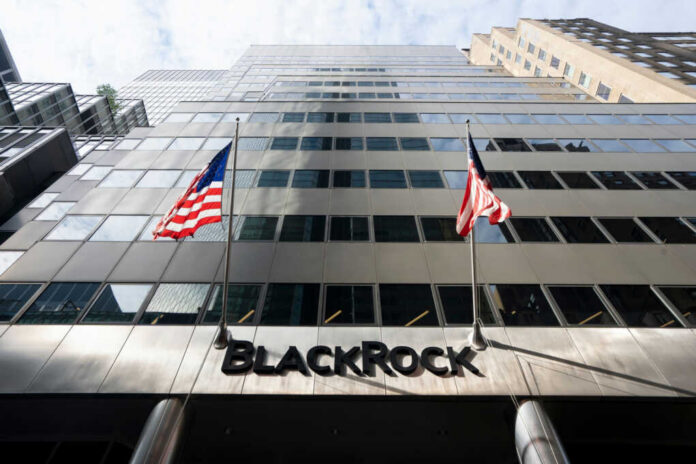
Wall Street is quietly telling everyday Americans, “You can’t have your money back,” and it’s happening inside a $2–$3 trillion “shadow banking” system that most voters never agreed to underwrite.
Quick Take
- Major firms including Apollo, Ares, and BlackRock have capped withdrawals from private credit funds at roughly 5% per quarter, even as investors ask to pull far more.
- Investors facing liquidity traps can wait years to exit under quarterly limits or take steep discounts in secondary markets, according to reporting and analysis.
- Private credit’s rapid growth has run ahead of transparency and oversight, raising comparisons to pre-2008 risk dynamics cited by major financial officials.
- Regulators moved to cut Wall Street capital rules in March 2026 as stress signs spread, while lawmakers consider expanding retirement access to these products.
Withdrawal “Gates” Spread Across Big-Name Private Credit Funds
Asset managers including Apollo Global Management, Ares Management, and BlackRock have imposed redemption limits on private credit funds as requests to withdraw cash surged in early 2026. Reporting described caps that effectively ration exits at about 5% per quarter, even when investors seek to redeem around 11% of fund assets in a single wave. The practical result is forced illiquidity: investors can’t freely access capital they believed was available on a predictable schedule.
City AM reported Apollo received about $1.6 billion in withdrawal requests—roughly 11.2% of a $15 billion fund—while Ares received about $1.2 billion in requests—roughly 11.6% of a $10.7 billion fund—and fulfilled only a portion under the cap. BlackRock also restricted withdrawals in a large debt fund, adding to broader concern that “shadow bank” style products are encountering a classic problem: assets that can’t be sold quickly meeting promises of regular liquidity.
Why This Market Is Different: Size, Opacity, and Liquidity Mismatch
Private credit grew into a massive alternative-lending market over the past decade, described in research as roughly $2 trillion and potentially as high as $3 trillion. Unlike traditional bank lending, these funds can operate with fewer public disclosures, which makes it harder for ordinary investors, pension trustees, and insurance policyholders to judge risk in real time. The core tension is structural: lending to private borrowers is not as liquid as the redemption features marketed to investors.
Economic Memos highlighted another pressure point: sector concentration, including a heavy weighting toward software and technology borrowers, estimated around 20–25% of private credit exposure. When sentiment turns or refinancing windows close, “private” assets can become hard to value, harder to sell, and impossible to unwind quickly without discounts. That dynamic is why forced selling—if it occurs—can transmit losses, even when official reported default rates look modest.
What Investors Face Now: Years to Exit or Discounts to Leave Fast
When withdrawals are gated at 5% per quarter, an investor trying to fully exit could be waiting roughly 20 quarters—about five years—depending on fund terms and future redemption queues. Research also noted that some investors seeking immediate liquidity may turn to unofficial secondary markets, where shares can trade at large discounts, reported around 30%. That is not a political talking point; it is the math of a liquidity crunch meeting a product that can’t easily convert loans into cash.
For conservative households, the anxiety is less about Wall Street gossip and more about kitchen-table exposure. Research emphasized that private credit sits not only in hedge-fund circles but also alongside institutional money such as pensions and life insurers, and is increasingly being packaged for retail-style access. If retirement channels expand into products that can lock up cash during stress, families may discover too late that “diversification” included an exit door that only opens a crack each quarter.
Regulatory Signals and Retirement-Channel Expansion Raise the Stakes
Regulatory posture matters because it sets incentives and guardrails. Mayer Brown reported that U.S. regulators announced cuts to Wall Street capital rules on March 19, 2026, including changes tied to how banks handle certain credit-risk transfers. Separately, the research described congressional movement on proposals such as the INVEST Act and new 401(k) “safe harbors” that could broaden access to private credit for retirement savers while liquidity stress is already visible in the market.
Warnings about 2008-style dynamics have been public and explicit. The IMF has described how shadow banking can amplify stress through fire sales and interconnected exposures, and reporting cited senior UK financial leadership drawing parallels between today’s private-credit boom and the subprime era. That does not guarantee a repeat of 2008, but it does strengthen the case for skepticism toward products that promise steady yield, periodic liquidity, and low drama—right up until the moment investors rush the exits.
Sources:
https://www.economicmemos.com/p/the-2026-private-credit-trap-why
https://www.cityam.com/wall-street-private-credit-fears-grow-as-apollo-blocks-withdrawals/
https://swingtradebot.com/news-articles/22575297-wall-street-crisis-spreads-shadow-bank
https://www.imf.org/en/publications/fandd/issues/series/back-to-basics/shadow-banks