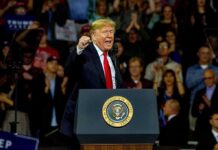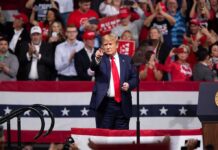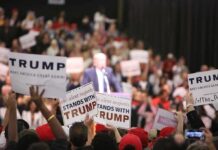
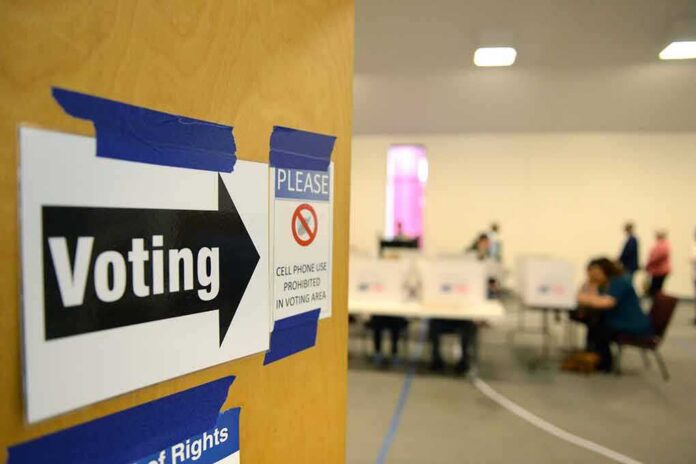
President Trump warned that misleading “suppression polls” can keep his voters home by creating a false sense of either defeat or a done deal.
Story Highlights
- Trump says some public polls depress Republican turnout by shaping voter expectations.
- Independent reviews found polls underestimated Trump in key states in 2016 and 2020.
- Experts link errors to nonresponse and education weighting problems, not proven intent.
- Polls can affect behavior if voters think a race is a blowout or hopeless.
Trump’s Charge: Polls That Shape, Not Just Measure
President Trump argued that some polls are used to influence voters, not simply report opinion. He said polls showing him far behind, or even far ahead, risk keeping his supporters from the polls by sapping urgency or hope. He called these “suppression polls” and tied them to past cycles when surveys leaned the wrong way against his coalition. His warning targets the basic idea that narratives can move turnout, not just reflect it, especially in the final stretch before Election Day.
Trump’s claim rests on a simple turnout logic. When voters see their candidate trailing badly, they may think their vote will not matter. When they see a huge lead, they may relax and skip voting. He pointed to both risks as real and dangerous to Republicans. That message aims to stiffen resolve on the right. It says: do not let any headline tell you your vote is wasted or optional. Show up, and make the polls chase the results, not the other way around.
What The Record Shows About Polling Misses
The American Association for Public Opinion Research reported that many polls underestimated Trump in key battleground states in 2016 and again in 2020. Those reviews flagged problems that can tilt results, such as low response from voters without college degrees who were more likely to back Trump. They also noted signs that Trump supporters may have been less likely to answer polls, which can skew the data and the toplines that shape media coverage.
That error pattern matters because it matches Trump’s base. When certain voters do not pick up the phone, or pollsters fail to weight them correctly, a survey can paint a bluer picture than the electorate. In a close race, a few points off can flip a state in the news narrative. That can feed the very suppression effect Trump warns about: a sense that the race is over before ballots are counted. The data show the misses; the question is what they did to behavior.
Intent vs. Effect: What We Know And What We Do Not
The same research community that documented those errors also rejects the claim that reputable pollsters lie or fabricate results. Analysts attribute most misses to methods, like weak education weighting and uneven response rates, not a plan to dampen Republican turnout. They also report that public polls were more accurate in 2024 than in 2016 or 2020, which cuts against a story of uniform partisan manipulation across cycles. That is the institutional view: real errors, limited proof of intent.
Trump’s argument focuses less on proving intent and more on lived effect. He ties error to a practical outcome: people staying home. That turnout link is plausible, but hard to measure with precision. No cited study here counts how many Republican votes were lost to any one poll. Still, the combination is clear and concerning for conservatives: past misses, consistent direction in key years, and a media machine that amplifies horse-race headlines. That is enough to tell readers to ignore the noise and vote.
How Conservatives Can Read Polls Without Getting Played
Voters can protect themselves by treating polls as snapshots, not commands. Look at samples, not just the headline margin. Ask whether the poll weighted for education. Check if it reached rural and working-class voters. Compare several polls taken at the same time. When in doubt, assume the race is close and act like your vote will decide it. That mindset blunts both threats Trump flagged: complacency from rosy numbers and despair from gloomy ones.
Campaigns and lawmakers can also push for clarity. They can request full methods, including response rates by group, and press media outlets to publish cross-tabs and weighting targets. Independent experts can replicate results and test how different weights change the margin. Better sunlight makes for better polls and fewer bad narratives. None of that replaces turnout, though. The surest answer to suppression—real or perceived—is to vote early, vote legal, and bring like-minded friends.
Sources:
academic.oup.com, muhlenberg.edu