A viral “mind-reading” stunt at the White House Correspondents’ Dinner is really a sharp lesson in media spin, crowd psychology, and how easily political spectacle can blur the line between reality and illusion.
Story Snapshot
- Oz Pearlman’s stunt with President Trump, Press Secretary Karoline Leavitt, and First Lady Melania Trump looked like real mind reading but was a mentalism trick built on reading people, not psychic powers.
- Major outlets admit Pearlman is not psychic, yet they still hype the act as “mind reading,” feeding public confusion and giving the press another chance to chase viral clicks instead of substance.
- The dramatic notepad reveal and baby-name guess happened in a room full of reporters, proving how even “professional skeptics” can be swept up in well-planned showmanship.
- The stunt shows how political dinners and legacy media now favor emotional spectacle over careful truth, which should concern conservatives who value clear facts and limited nonsense.
How Pearlman’s Dinner Stunt Played Out Around President Trump
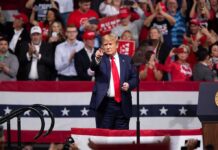
Reports say mentalist Oz Pearlman spent the 2026 White House Correspondents’ Dinner working the crowd, including President Trump, First Lady Melania Trump, and Press Secretary Karoline Leavitt. During dinner service, Leavitt challenged him to guess a name she had in mind, and Melania urged him to pull the president into the moment. Pearlman wrote on a notepad, had Leavitt speak the name, then tore off the page to show he had already written it down, stunning the room and cameras alike.
Coverage later focused on Pearlman’s guess of the future name of Karoline Leavitt’s baby, which he said would be “Vivian,” a detail that became a key talking point in interviews. Inside the ballroom, media and power players reacted as if they had watched true mind reading, with social clips replaying the reveal again and again. For many viewers, the fact that this happened in front of President Trump and top officials made it feel even more uncanny, lending weight to the illusion even though it was a planned performance.
What Pearlman Says He Is Really Doing
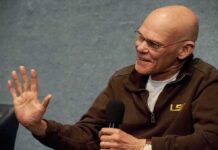
Before the dinner, National Public Radio reported that Pearlman “clarifies that he will not genuinely read anyone’s mind,” directly undercutting any claim of real psychic power. He explained his work as revealing hidden information or creating the feeling that he is planting ideas, using mentalism tools like research, suggestion, and stagecraft. In other interviews, he says he is “not psychic” and “not supernatural,” and that his act comes from decades of studying how people think and applying the core principles of magic and misdirection.
American Broadcasting Company coverage of Pearlman makes the same point in plain language: he is “not actually reading anyone’s mind,” but “just reading people,” meaning body language, word choice, and common patterns. Pearlman himself stresses that mentalism is a learned skill, not a gift from beyond, and that he does tricks but will not reveal his methods. For a conservative audience, this is a reminder that even when elites cheer a “mystery,” much of it comes down to practice and human nature, not secret powers.
Media Spectacle, Managed Ambiguity, and Why It Matters
Analysts describe mentalism as a form of magic that lives in a gray zone, where performers gain value by seeming uncanny while clearly saying they lack paranormal powers. In this case, outlets like National Public Radio and others both quote Pearlman’s disclaimers and still market the act as mind reading, which keeps audiences excited but also blurs lines between show and reality. The White House Correspondents’ Dinner itself is built on that tension, swapping serious talk about policy and spending for emotional moments and shareable clips.
For conservatives worried about media spin and government overreach, this stunt is a small but revealing symbol. The same press corps that often lectures the country on “truth” had no problem hyping a carefully staged illusion as near-mystical, so long as it drew views and distracted from real issues like debt, border security, and inflation. The lesson is simple: if reporters can be fooled in person by a known entertainer, they can also be swept up by more dangerous narratives when the stakes involve your rights, your guns, and your family’s future.
What This Says About Our Political Culture Today
The choice to headline a mentalist instead of a comedian or a policy thinker shows where the establishment’s priorities sit: performance first, substance second. Pearlman was asked to “unite” the room, not by debating the Constitution or federal spending, but by creating a shared sense of awe and distraction. That makes his act a perfect fit for a culture where Washington often prefers emotional theater over hard questions about border chaos, energy costs, and the size of government.
Trump watching The Mentalist (Oz Pearlman) perform at the White House Correspondents Dinner #WHCD pic.twitter.com/NypdgXtpCE
— Lunar Surfer (@TheLunarSurfer) July 25, 2026
For Trump supporters, there is at least one bright side: President Trump handled the chaos around the later shooting incident and evacuation while Pearlman focused on his role as entertainer, even saying his job is “to entertain and create memorable experiences,” not to judge security threats. That division of roles is healthy. But it also reminds us that when the cameras roll, media and entertainers can flood the zone with spectacle, while the hard work of defending American values must still be done by informed citizens who know the difference between a trick and the truth.
Sources:
facebook.com, npr.org, nytimes.com, tvinsider.com, youtube.com, thrivinglaunch.com, abcnews.com